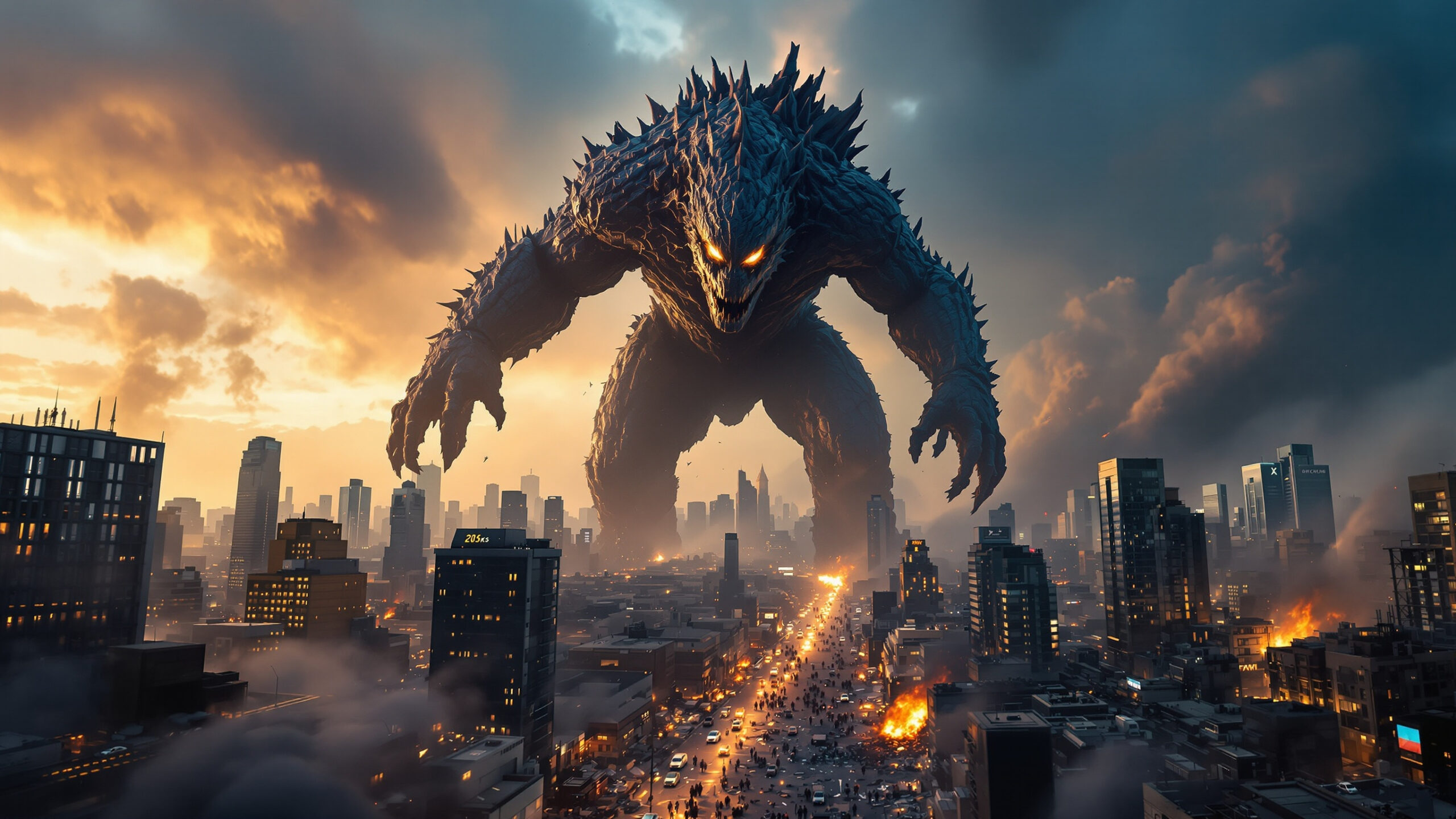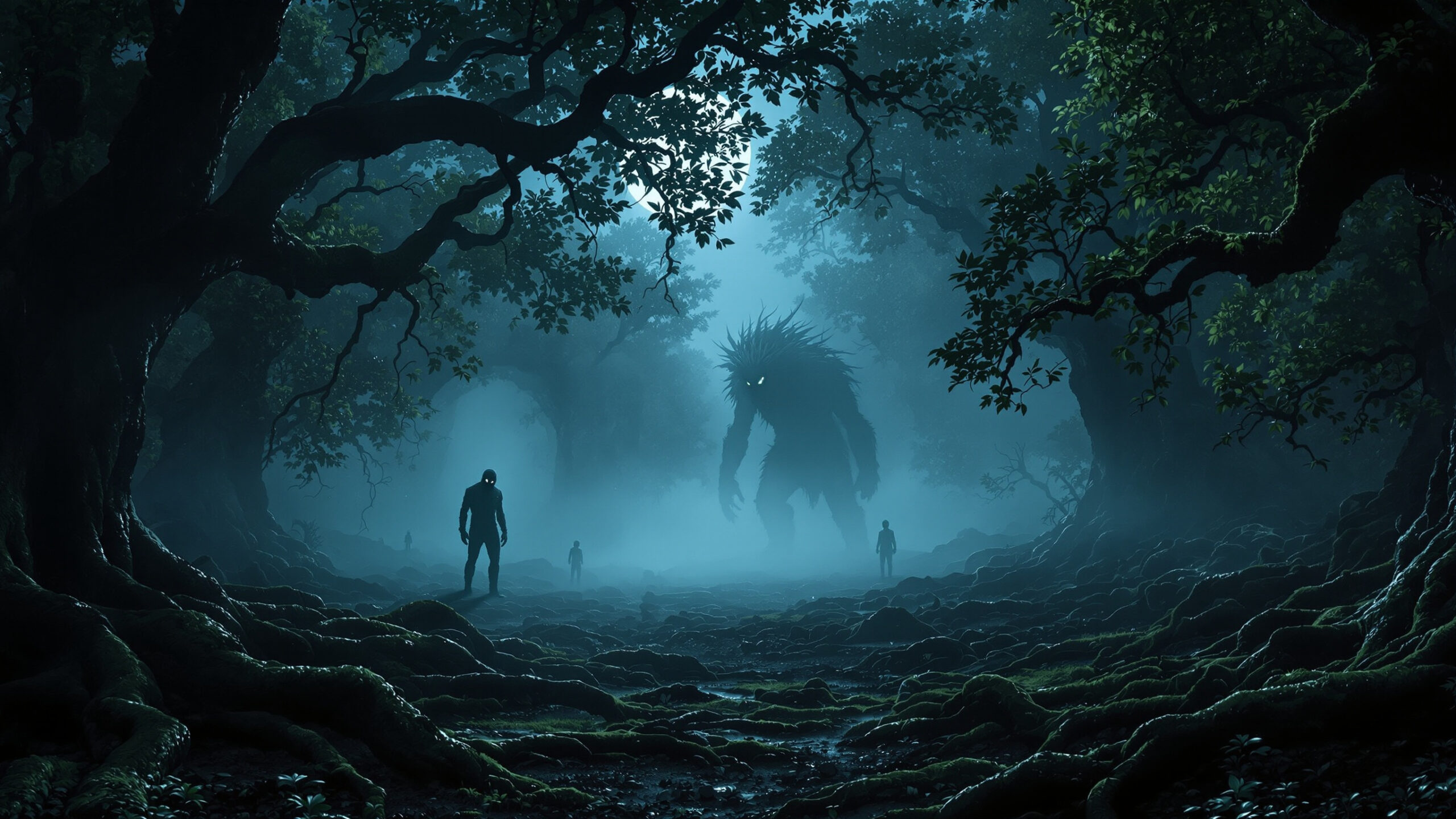
When people think of folklore monsters, familiar names usually come to mind, creatures that have been retold so often they feel almost universal. Yet beyond these well-known figures lies a vast world of lesser-known monsters rooted in local traditions, whispered legends, and regional fears. These beings were not invented for entertainment alone. They were shaped by landscape, survival, morality, and the unknown, reflecting the anxieties and beliefs of the cultures that created them. Hidden in forests, deserts, mountains, and seas, these forgotten monsters reveal how deeply human imagination is tied to place and experience.
A: Folklore creatures are story-rooted and symbolic; cryptids are framed as undiscovered animals in the real world.
A: They teach safety and social rules—especially about night travel, dangerous places, and community boundaries.
A: Yes: shapeshifters, water spirits, threshold entities, child-snatchers, and tricksters appear worldwide.
A: Simple rules are memorable; they discourage risky behavior and make stories easy to pass down.
A: Constantly—details adapt to new fears, new places, and new technology while keeping the core warning.
A: Name the culture/region, avoid mockery, and frame the story as living tradition, not just “spooky content.”
A: Often a shared motif travels—neighboring cultures remix it with local landscapes and names.
A: Look for local anthologies, academic folklore collections, and museum/cultural archives—not just viral retellings.
A: Present both angles: cultural meaning first, then modern interpretations and how stories persist.
A: Focus on atmosphere and rules of the tale, and avoid sensationalizing real cultures or sacred practices.
The Aswang of the Philippines
In Philippine folklore, Aswang is not a single creature but a terrifying category of shape-shifting beings. By day, the Aswang appears human, blending seamlessly into village life. By night, it transforms into something predatory, often described as part animal, part corpse, and wholly malicious. Stories portray the Aswang feeding on the sick, pregnant women, or travelers caught alone after dark. What makes this monster especially unsettling is its intelligence and patience, choosing victims carefully and hiding in plain sight. Even today, some rural communities take protective measures rooted in these old beliefs.
Japan’s Night-Walking Nuppeppo
Japanese folklore is filled with yokai, but few are as disturbing as Nuppeppo. Described as a walking mass of decaying flesh, the Nuppeppo emits a powerful stench and wanders abandoned temples and graveyards. Unlike many aggressive monsters, it rarely attacks directly. Instead, its horror lies in its presence, a living embodiment of rot and spiritual corruption. Legends claim that those who consume its flesh gain immortality, though at a terrible cost, reinforcing themes of forbidden knowledge and unnatural longevity common in Japanese folklore.
The Grootslang of South Africa
Deep within South African cave systems is the legend of the Grootslang, a massive hybrid creature said to possess the body of an elephant and the head of a serpent. According to myth, the Grootslang was one of the first beings created, so powerful that the gods were forced to divide it into separate animals. One escaped this fate and retreated underground, where it guards vast diamond hoards. The Grootslang represents greed and excess, punishing those who venture too deep in search of riches.
La Patasola of the Amazon
In the dense rainforests of South America, travelers speak of La Patasola, a beautiful woman who lures men away from safety. Once isolated, she reveals her monstrous form, often described as having only one leg ending in a hoof or claw. La Patasola embodies the dangers of the wilderness and the consequences of temptation. Her legend served as a warning to hunters and explorers, reminding them that the forest is not only vast but deceptive.
The Kelpie Beyond Scotland’s Rivers
While water spirits are common in European folklore, the Kelpie is far more sinister than most realize. Often appearing as a beautiful horse near rivers or lochs, the Kelpie invites riders to climb onto its back. Once mounted, victims find themselves stuck, dragged beneath the water, and drowned. The Kelpie reflects ancient fears of unpredictable waterways and the thin line between beauty and danger in nature.
The Tokoloshe of Southern Africa
In Zulu folklore, the Tokoloshe is a mischievous yet dangerous dwarf-like being associated with invisibility and malevolence. The Tokoloshe is blamed for illness, accidents, and unexplained misfortune. Some traditions say it can be summoned by witches, while others describe it as a free-roaming spirit seeking chaos. Its role in folklore highlights how unseen forces were used to explain hardship and tragedy in everyday life.
The Manananggal of the Night Sky
Another chilling figure from Philippine folklore is the Manananggal, a creature that separates its upper body from its lower half and flies into the night on bat-like wings. It hunts sleeping victims, using an elongated tongue to feed on blood or unborn children. Unlike Western vampires, the Manananggal is vulnerable in a unique way, as destroying or contaminating its abandoned lower body prevents it from reuniting and surviving until dawn.
The Ahool of Indonesia’s Jungles
In the remote jungles of Indonesia, explorers have reported encounters with the Ahool, a massive bat-like creature with glowing eyes and a piercing cry. Descriptions portray it as far larger than any known bat, with leathery wings and a haunting presence near waterfalls and caves. The Ahool legend blurs the line between folklore and cryptid sightings, fueled by the region’s dense terrain and limited exploration.
Slavic Leshy and the Living Forest
Slavic folklore introduces the Leshy, a shape-shifting guardian of the forest. The Leshy can appear as a towering tree-like figure or shrink to blend with grass and roots. It leads travelers astray, mimicking voices and changing paths until victims become hopelessly lost. Unlike purely evil monsters, the Leshy punishes disrespect for nature, reinforcing cultural values of balance and caution when entering the wild.
The Popobawa of Zanzibar
On the island of Zanzibar, stories of Popobawa have caused real-world panic even in recent decades. Described as a winged, one-eyed creature that attacks at night, Popobawa legends often emerge during times of social stress or political change. Witnesses report physical assaults, sleep paralysis, and overwhelming fear. Whether interpreted as folklore, mass hysteria, or something unexplained, Popobawa demonstrates how ancient monsters can still influence modern communities.
Australia’s Yara-ma-yha-who
Aboriginal Australian folklore includes the Yara-ma-yha-who, a small red creature with suction-cup fingers that drops onto victims from trees. Rather than killing outright, it drains strength and repeatedly releases its prey until they slowly transform into another Yara-ma-yha-who. This unsettling cycle reflects themes of transformation and loss of identity, deeply tied to oral storytelling traditions.
Why These Monsters Were Forgotten
Many folklore monsters faded not because they lost meaning, but because the cultures that birthed them changed. Urbanization, modernization, and globalization replaced local myths with shared global stories. Yet these forgotten monsters still carry powerful insights into how people once understood danger, morality, and the natural world. They served as warnings, explanations, and lessons encoded into storytelling.
Folklore as Cultural Memory
Folklore monsters are more than frightening tales. They are cultural memories preserved through generations, shaped by environment and experience. Each creature reflects real fears, whether of wilderness, disease, greed, or isolation. When these monsters disappear from common knowledge, pieces of cultural identity fade with them.
A World Still Full of Stories
Even in a connected world, folklore monsters continue to survive in quiet corners, passed down in families and local communities. Rediscovering these lesser-known beings reminds us that fear is universal, but the way it is expressed is deeply personal and regional. These forgotten monsters prove that the world’s mythology is far richer, stranger, and more diverse than most people ever realize.