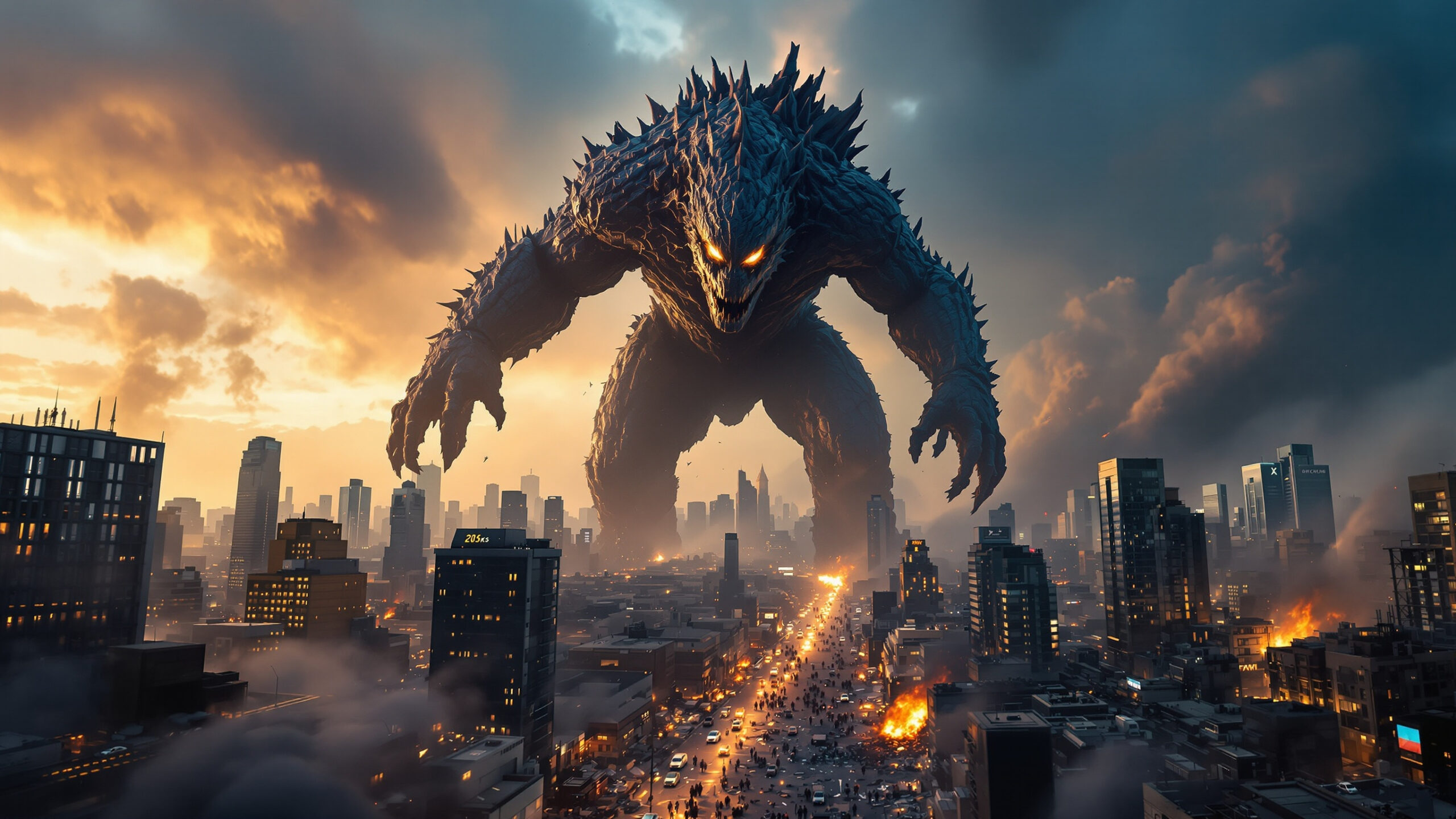
From ancient cave paintings to modern horror films, humans have always been drawn to monsters and the emotions they evoke. Fear is one of the most powerful feelings the human brain can experience, and monsters give that fear a face, a shape, and a story. Rather than avoiding it entirely, people repeatedly seek out frightening tales, terrifying imagery, and monstrous figures. This fascination is not accidental. It is deeply rooted in biology, psychology, culture, and survival instincts that have shaped human behavior for thousands of years.
A: Controlled fear releases adrenaline without real danger.
A: Yes—every culture creates them.
A: Fear adapts to new threats.
A: It sharpens awareness and survival instincts.
A: To process unknown dangers.
A: Yes—adrenaline and dopamine reinforce it.
A: The mind creates worse images than reality.
A: Often—it builds tolerance.
A: Yes—they give form to vague anxieties.
A: Because fear is part of being human.
Fear as a Survival Tool
Fear exists to keep humans alive. Long before civilization, fear helped early humans recognize danger, react quickly, and avoid threats. Monsters emerged as symbolic representations of these dangers. Predators, disease, darkness, and the unknown were given form through stories, allowing communities to communicate risks before science existed. By imagining threats as creatures, humans could better remember and respond to them. Monsters became mental shortcuts for danger, teaching survival through storytelling rather than direct experience.
The Brain’s Attraction to Safe Fear
One of the reasons humans are fascinated by monsters is that modern fear is often experienced safely. When reading a story or watching a film, the brain reacts as if danger is present, releasing adrenaline and heightening awareness, yet the rational mind knows there is no real threat. This combination creates excitement without consequence. Monsters allow people to experience fear in a controlled environment, satisfying primal instincts without risking real harm. The thrill becomes addictive, encouraging repeated exposure.
Monsters as Symbols of the Unknown
Humans fear what they do not understand, and monsters thrive in uncertainty. Darkness, deep water, dense forests, and empty spaces all trigger anxiety because they limit perception. Monsters are often placed in these environments because they represent the unknown itself. When humans imagine something lurking just beyond sight, the mind fills in the gaps with exaggerated danger. Monsters give form to uncertainty, turning abstract fear into something tangible that can be imagined, described, and shared.
Cultural Reflections of Fear
Every culture creates monsters that reflect its unique fears. In some societies, monsters represent punishment for moral failure. In others, they symbolize natural disasters, disease, or invasion. As cultures evolve, so do their monsters. Industrialization gave rise to fears of machines and loss of humanity, while modern technology has inspired stories about artificial intelligence and surveillance. Monsters act as mirrors, revealing what a society fears most at a particular moment in time.
Control Through Storytelling
Stories about monsters provide a sense of control over fear. By naming a monster, describing its behavior, and explaining how to survive it, humans transform chaos into narrative. Even when the monster cannot be defeated, understanding its rules reduces anxiety. Folklore often includes rituals, warnings, or weaknesses that give people a sense of agency. This narrative control makes fear manageable and turns terror into shared knowledge rather than isolated panic.
The Role of Imagination
Human imagination amplifies fear more effectively than reality. The mind can create threats far worse than anything actually encountered. Monsters exploit this by being partially unseen or only vaguely described. When details are missing, imagination fills the gaps with personal fears, making the experience more intense. This is why suggestion often works better than explicit depiction. Monsters that are hinted at rather than fully revealed tend to linger longer in memory.
Fear and Curiosity Intertwined
Fear does not repel curiosity; it often strengthens it. Humans are drawn toward things that frighten them because fear heightens awareness and focus. Monsters sit at the intersection of danger and curiosity, inviting exploration while warning against it. This tension keeps people engaged. The desire to understand what threatens us is a fundamental survival trait, and monsters satisfy that desire in symbolic form.
Monsters and Identity
Monsters also help define what it means to be human. By contrasting humanity with something monstrous, societies reinforce boundaries of behavior, morality, and identity. Monsters often represent what happens when those boundaries are crossed. They embody excess, corruption, or loss of control. In confronting monsters, humans reaffirm their own values and sense of self, even when the monster reflects aspects of humanity itself.
Shared Fear and Community
Experiencing fear together strengthens social bonds. Campfire stories, horror films, and shared legends create communal experiences where fear becomes collective rather than isolating. Monsters provide a common reference point for that shared emotion. When people scream, laugh, or shudder together, fear becomes a social experience that reinforces connection. Monsters become cultural touchstones passed between generations.
Modern Life and Ancient Fear
Despite technological advancement, the human brain has not evolved beyond its ancient fear responses. Monsters continue to resonate because they tap into instincts shaped long before modern safety. Even in well-lit cities, fear of isolation, invasion, and loss of control persists. Monsters adapt to new environments, but the emotional response remains the same. They feel timeless because the fears they represent are timeless.
Why Monsters Never Disappear
Monsters endure because fear never disappears. As long as humans face uncertainty, danger, and unanswered questions, monsters will exist to represent them. They evolve alongside culture, shifting forms to match new anxieties while preserving their core purpose. Monsters are not a flaw in human thinking, but a feature of how humans understand the world.
Fear as Fascination
Humans are fascinated by monsters because monsters make fear understandable. They give shape to invisible threats, transform anxiety into story, and allow people to confront danger without being destroyed by it. In facing monsters, humans explore the limits of courage, curiosity, and imagination. Fear, when shaped into a monster, becomes not just something to avoid, but something to study, experience, and even enjoy.
The Monster Within the Mind
Ultimately, the most powerful monsters live in the human mind. They are built from instinct, memory, culture, and imagination. This is why monsters remain endlessly compelling. They are not just creatures in stories, but reflections of how humans think, survive, and make sense of a world that will always contain the unknown.