
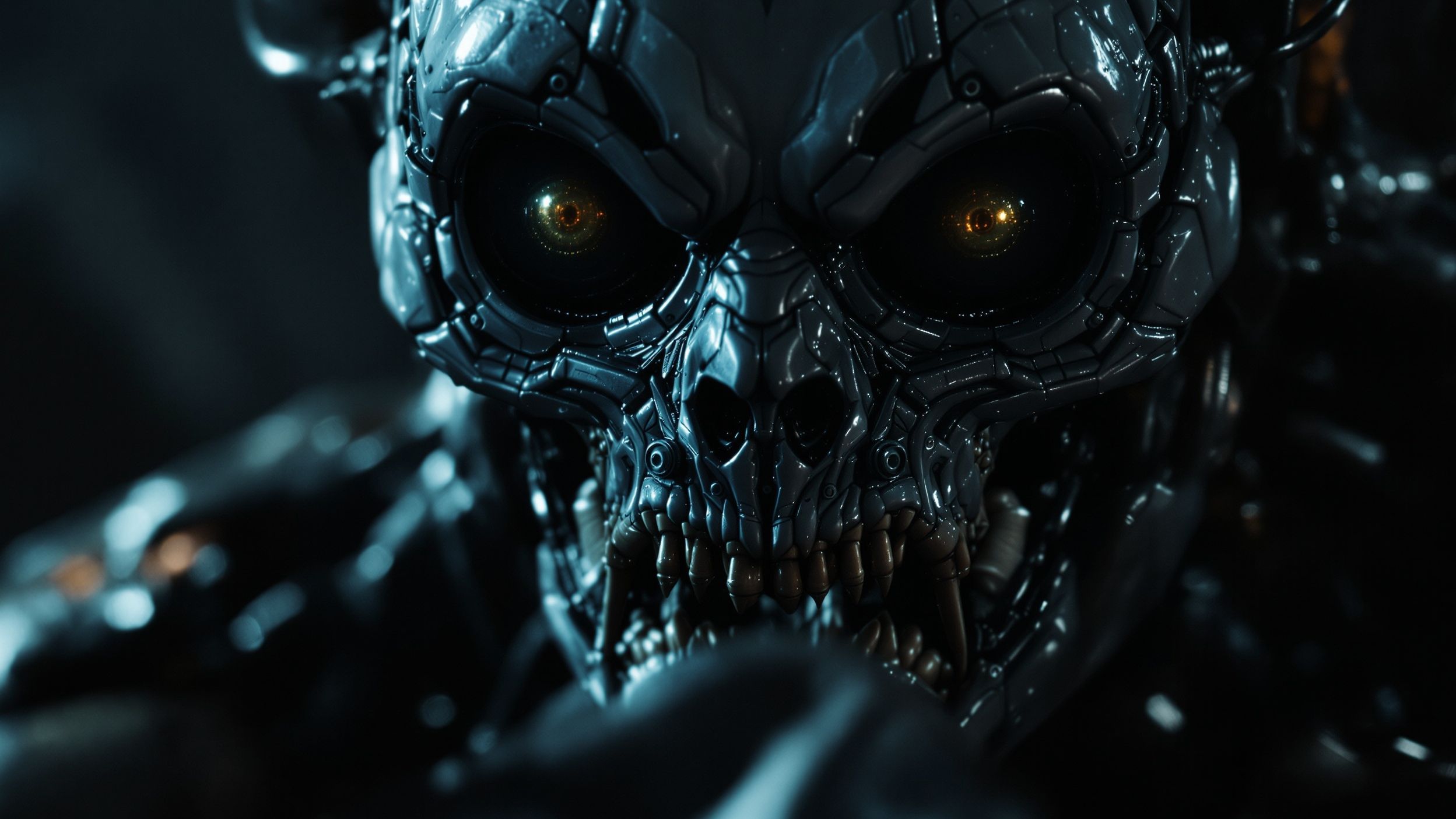
Mechanical yet lifelike, captivating yet unsettling — welcome to Animatronic Monsters, where engineering and imagination merge on Monster Street. These creations blur the boundary between machine and creature, transforming metal frameworks, motors, and synthetic skin into figures that breathe, blink, and move with eerie realism. From cinematic legends and theme park titans to experimental robotics and horror attractions, animatronic monsters have long fascinated audiences with their uncanny presence. Their power lies not only in motion, but in the illusion of life — a reminder of how easily technology can awaken wonder, tension, and sometimes fear.
Within this category, explore a curated collection of articles examining the artistry, design, and cultural impact behind these mechanical beings. Discover behind-the-scenes insights into practical effects, the evolution of creature fabrication, landmark film innovations, and the psychological intrigue of the uncanny valley. Whether you’re drawn to filmmaking craftsmanship, immersive entertainment, or the fusion of robotics and storytelling, Animatronic Monsters offers a thoughtful journey into worlds where monsters are built, not born.
A: Their near-human motion naturally triggers uncanny valley discomfort.
A: Many designs intentionally create that illusion through perspective and eye shape.
A: Reset cycles, maintenance variations, and mechanical timing shifts.
A: Properly maintained units are safe; neglected environments pose greater risks.
A: Mechanical noises resemble organic cues like breathing or footsteps.
A: Dramatically—shadows exaggerate expressions and mask mechanisms.
A: Cognitive bias + unnoticed reset motions.
A: Very common across cultures and age groups.
A: Observe predictable cycles and visible mechanics.
A: The fear response is rooted in perception, not sentience.