

Folklore Monsters rise from the oldest stories ever told, shaped by whispers around fires, warnings passed through generations, and legends meant to explain the unexplainable. These creatures are born from culture, fear, and imagination, taking forms that reflect the landscapes and beliefs of the people who created them. From shadowy spirits lurking in forests to terrifying beings said to haunt villages, rivers, and mountains, folklore monsters blur the line between myth and memory. They are cautionary tales and symbolic guardians, often representing natural forces, moral lessons, or humanity’s struggle to understand the unknown. On Monster Street, the Folklore Monsters category explores these legendary beings from around the world, uncovering their origins, variations, and lasting influence on modern horror and fantasy. Each monster carries a story deeper than its appearance, rooted in tradition and shaped by centuries of retelling. Step into a world where legends breathe, ancient fears still linger, and every monster has a story etched into history itself.
A: Folklore monsters are rooted in community stories and moral rules—less about gore, more about warnings and boundaries.
A: The rules are the point—these creatures enforce taboos, punish arrogance, and test hospitality.
A: Usually, but some are “natural fears” given form—wolves, disease, hunger—mythologized into a creature.
A: Iron, salt, firelight, rowan, bells, and staying within marked boundaries (doors, circles, thresholds).
A: Folklore treats them as liminal places—where worlds overlap and rules blur.
A: Often yes—wit, courtesy, and refusing bargains are classic survival strategies.
A: It’s a test of attention—spotting the “wrong” detail proves you respect the danger.
A: Sometimes—offerings are less “payment” and more a ritual of respect that keeps peace.
A: Following lights, breaking taboos, entering uninvited spaces, or speaking a true name too freely.
A: Don’t wander alone at night—especially near water, woods, or any place that feels “too quiet.”
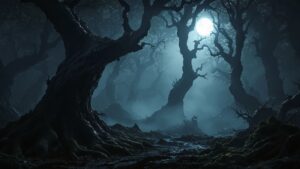
The Most Terrifying Folklore Monsters from Around the World
From flesh-eating spirits and shape-shifting demons to ghostly women seeking revenge, folklore monsters have terrified people for centuries. Explore the chilling legends behind some of the most frightening creatures ever imagined.
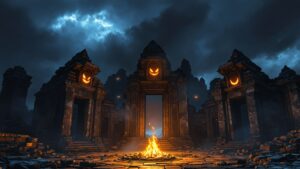
The Dark Origins of Monsters in Ancient Folklore
From demons and dragons to spirits and shape-shifters, ancient folklore monsters were born from humanity’s deepest fears. Discover the fascinating and terrifying origins behind these legendary creatures.
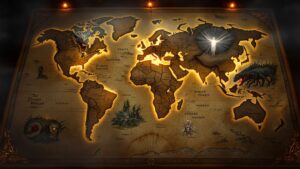
Why Every Culture Has Its Own Monster Legends
From dragons and demons to ghosts and shape-shifters, every culture has created terrifying monsters. Explore why monster legends exist worldwide and what they reveal about humanity.