

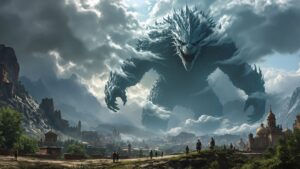
Monster Size & Scale
Monster Size & Scale explores why sheer size has always been one of the most powerful tools in monster mythology. Across cultures, the largest creatures often represent unstoppable forces—nature’s raw power, divine punishment, or chaos beyond human control. A towering monster turns fear into something physical, making humanity feel small, fragile, and powerless by comparison. These immense beings often reshape landscapes, block out the sky, or leave destruction with every

Strength & Power Traits
Strength & Power Traits explores the abilities that make monsters truly terrifying. In legend, monsters are rarely feared for appearance alone—their power defines them. Crushing strength, supernatural endurance, elemental control, or godlike resilience turn these creatures into forces that heroes struggle to overcome. Such traits often reflect human anxieties about being powerless against nature, fate, or authority. Some monsters wield brute force, leveling cities or tearing landscapes apart, while others
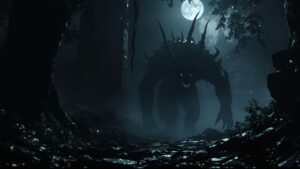
Movement & Stalking Styles
Movement & Stalking Styles explores how monsters become terrifying long before they attack. In legend, fear often comes from how a creature moves—slow and deliberate, impossibly fast, or unnaturally silent. Some monsters stalk their prey patiently, blending into darkness or terrain, while others announce themselves with thunderous steps or sudden, violent motion. These styles reflect different fears: the dread of being watched, the panic of pursuit, or the helplessness of
Senses & Awareness
Senses & Awareness explores how monsters know when something is near—often long before their victims realize it. In legend, these creatures possess heightened perception that goes beyond human limits, allowing them to hear heartbeats, smell fear, or sense movement through the ground. Some rely on razor-sharp sight, while others hunt in darkness using sound, vibration, or supernatural awareness. These traits amplify fear by removing the possibility of hiding or escape.
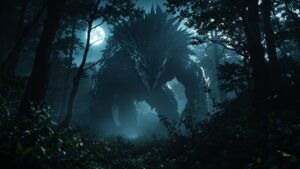
Feeding & Hunting Patterns
Feeding & Hunting Patterns explores how monsters survive—and why their hunger inspires fear. In legend, a monster’s diet often defines its behavior, territory, and threat level. Some creatures hunt relentlessly, driven by endless appetite, while others feed only under specific conditions, seasons, or rituals. These patterns reflect human fears of scarcity, predation, and being hunted rather than hunting. On this page, you’ll explore how myths describe stalking cycles, preferred prey,
Monster Sounds & Vocalizations
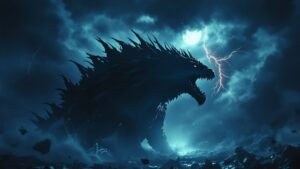
Monster Sounds & Vocalizations explores how fear often arrives before a monster is ever seen. In legend, the sound of a creature—its roar, howl, hiss, or whisper—can freeze entire villages in place. These vocalizations serve as warnings, territorial claims, or tools of intimidation, announcing danger long before contact is made. Some monsters are known for thunderous calls that shake the ground, while others terrify through eerie silence broken by sudden,
Defensive Traits
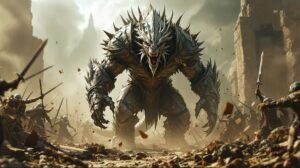
Defensive Traits explores what makes monsters so difficult—sometimes impossible—to defeat. In legend, a creature’s defense is often as terrifying as its strength, turning battles into hopeless struggles. Thick hides, impenetrable scales, stone-like skin, or supernatural regeneration allow monsters to survive attacks that would destroy ordinary beings. Some are protected by magic, curses, or divine favor, while others exploit terrain, darkness, or illusion to avoid harm altogether. These defenses reflect deep
Monster Weaknesses
Monster Weaknesses explores the crucial idea that even the most terrifying creatures are not invincible. Across myth and legend, monsters often possess a hidden flaw—a sacred object, ritual, environment, or moment of vulnerability that can bring them down. These weaknesses give stories hope, turning fear into challenge and chaos into balance. Some monsters are bound to daylight, others to specific metals, sounds, or names spoken aloud. On this page, you’ll