

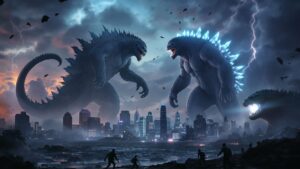
The Most Famous Giant Monsters in Mythology and Pop Culture
From the colossal beasts of Greek mythology and Norse mythology to modern cinematic titans, giant monsters have shaped storytelling for centuries. This article dives into the origins, evolution, and cultural significance of the most iconic giants ever imagined, revealing why these towering creatures continue to fascinate audiences around the world.
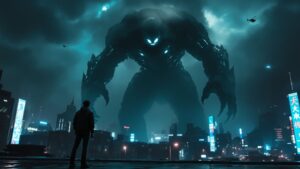
Why Humans Are Fascinated by Giant Monsters
Why are we so drawn to giant monsters? From the towering beasts of Greek mythology and Norse mythology to modern cinematic titans, humanity’s fascination with massive creatures runs deep. This article explores the psychology, fear, awe, and storytelling power behind our enduring obsession with monsters that dwarf entire cities.
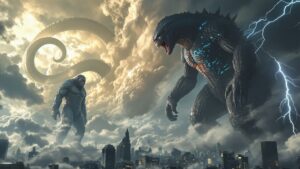
The Largest Monsters Ever Imagined in Legend and Film
From world-encircling serpents in Norse mythology to towering cinematic icons like Godzilla, the largest monsters ever imagined push the limits of scale and storytelling. This article explores the most colossal beings from myth and film, revealing why bigger has always meant more unforgettable.