
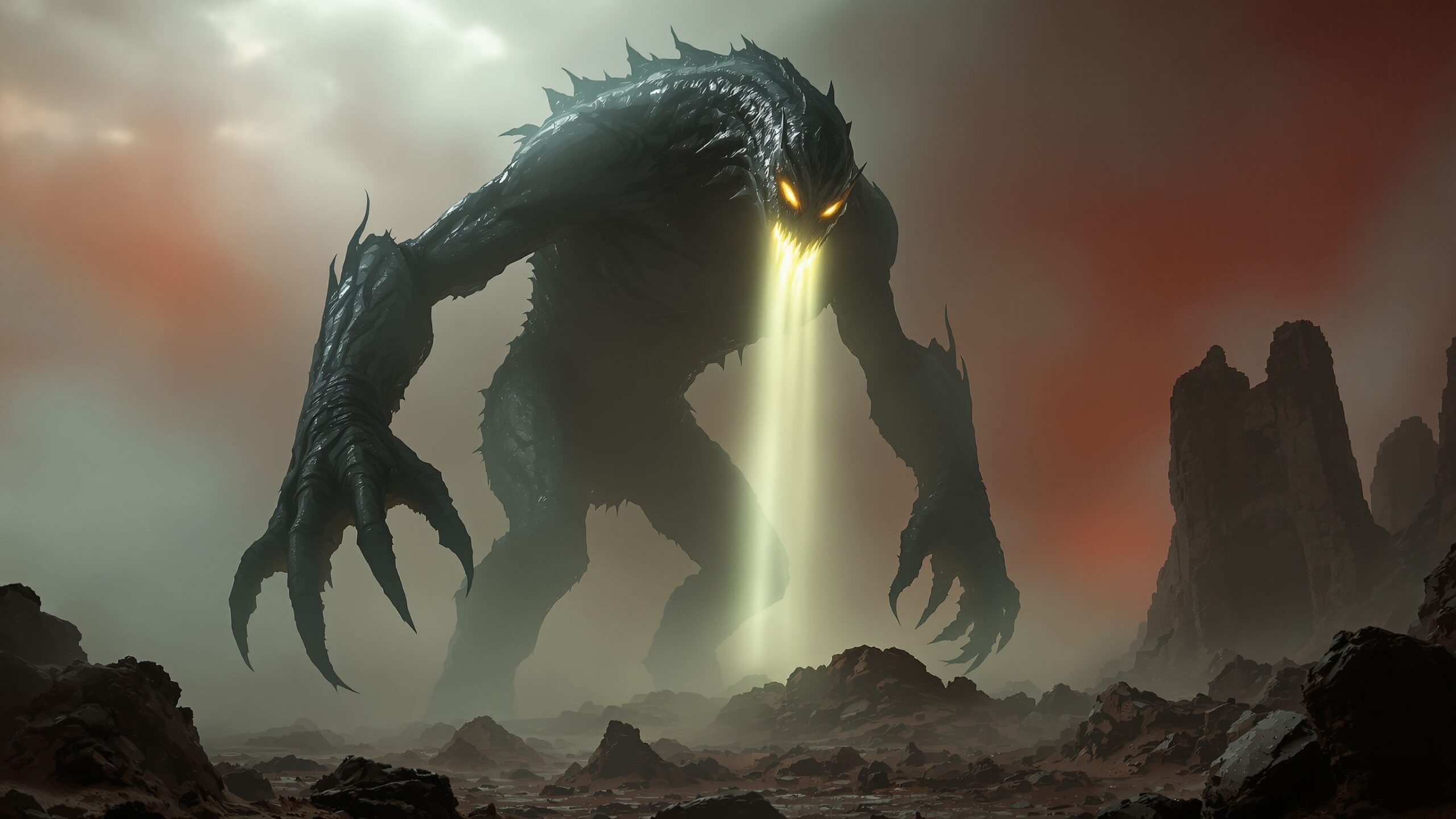
Interactive, unpredictable, and often unforgettable — welcome to Monsters in Games, a curated exploration of the creatures that shape digital worlds on Monster Street. Video games transform monsters from passive spectacle into active experience, placing players directly within the tension, fear, and exhilaration. Whether lurking in survival horror, dominating action adventures, or enriching expansive RPGs, these beings influence gameplay, pacing, and emotional intensity. Their design is not only visual but functional, crafted to challenge reflexes, strategy, and decision-making. Every encounter becomes personal, driven by immersion and the illusion of agency.
Within this category, discover thoughtfully selected articles examining creature design, AI behavior, environmental storytelling, and the evolving technology behind lifelike digital monsters. Explore how mechanics and aesthetics intertwine, how sound and animation amplify suspense, and how iconic game creatures achieve lasting cultural impact. Monsters in Games highlights the intersection of art, psychology, and interactivity, revealing how players don’t just witness monsters — they survive them, confront them, and sometimes become them.
A: Clear tells, consistent rules, and encounters that reward learning and adaptation.
A: Phases add variety, escalate stakes, and prevent pattern fatigue.
A: Limited resources, reduced visibility, and consequences that discourage reckless experimentation.
A: It communicates timing, distance, and state—often before visuals confirm anything.
A: Weak telegraphs, unclear hitboxes, or inconsistent behavior break trust.
A: Yes, when used sparingly—survival pressure preserves dread.
A: Variations in arenas, attack mixups, and evolving player tools.
A: Shared experiences turn mechanics into stories and community myth.
A: Animation glitches, audio desync, or inconsistent difficulty spikes.
A: Game monsters succeed when they feel like living rules in motion.