
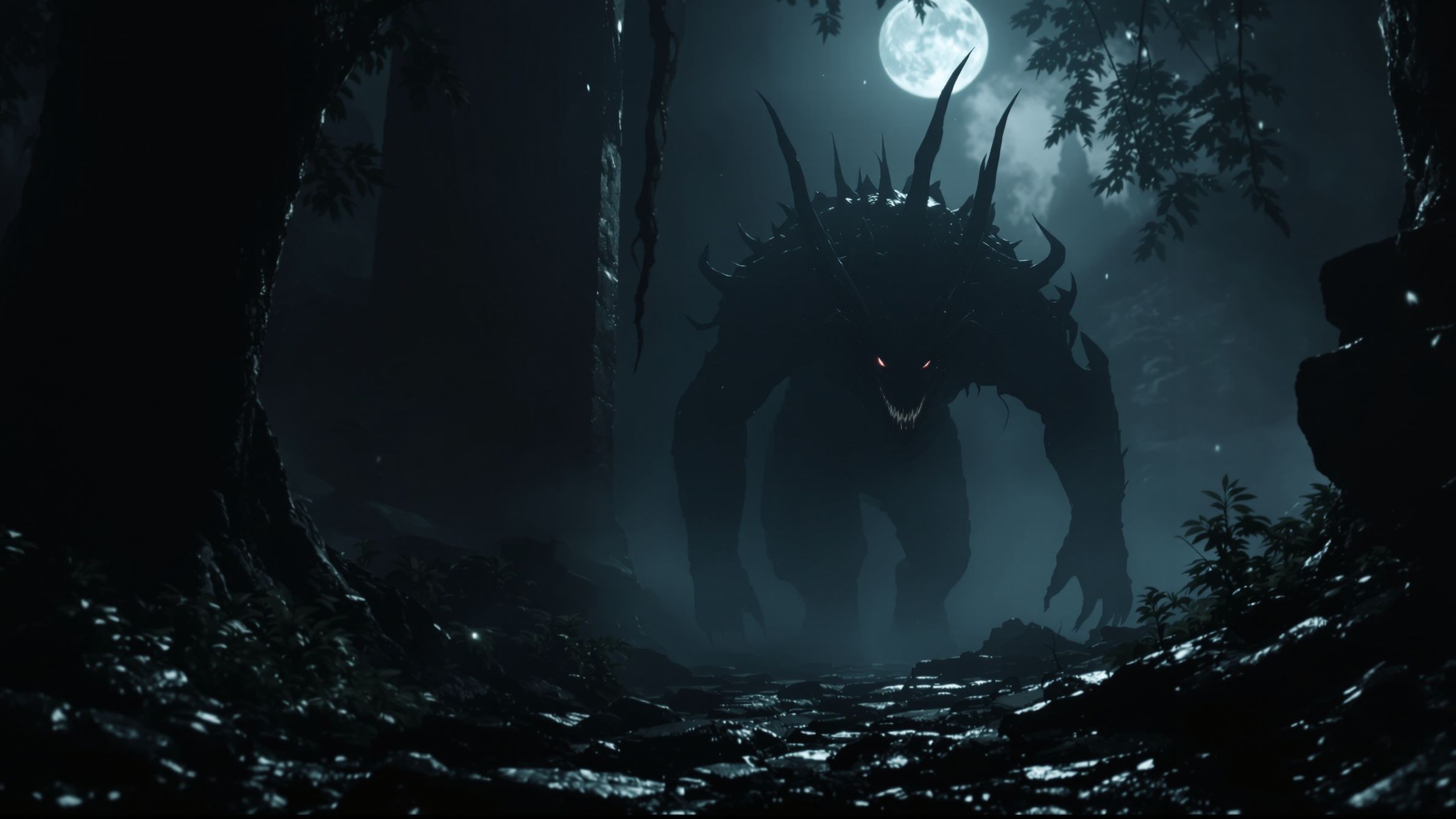
Movement & Stalking Styles explores how monsters become terrifying long before they attack. In legend, fear often comes from how a creature moves—slow and deliberate, impossibly fast, or unnaturally silent. Some monsters stalk their prey patiently, blending into darkness or terrain, while others announce themselves with thunderous steps or sudden, violent motion. These styles reflect different fears: the dread of being watched, the panic of pursuit, or the helplessness of surprise. On this page, you’ll explore how myths describe posture, rhythm, and behavior, turning simple movement into psychological terror. A monster’s gait, stillness, or ability to vanish can be as frightening as its strength. Whether creeping through forests, circling villages at night, or appearing without warning, these creatures master the art of fear through motion. Step into Movement & Stalking Styles on Monster Street and discover how the way a monster moves can be just as haunting as what it is.
A: The slow, steady follow—because it feels inevitable and doesn’t waste energy.
A: It turns normal human limits (blinking, turning) into the trap.
A: Show patterns: footsteps, shifting shadows, repeated knocks—then one break in the pattern.
A: Stairwells, parking garages, tunnels, and long hallways with motion lights.
A: Smoothness without effort—no sway, no breath, no bounce—like it’s sliding through air.
A: Start distant, repeat a cue, close the gap slowly, then jump closer once.
A: Because you can’t ignore a second set of steps syncing with yours—your body notices first.
A: Don’t respond, don’t invite it in, and don’t follow sounds off your route.
A: Use repositioning: corners, exits, reflections—so it feels like it moved smarter, not magically.
A: The moment you realize it’s not behind you anymore—because it’s already at the door.