
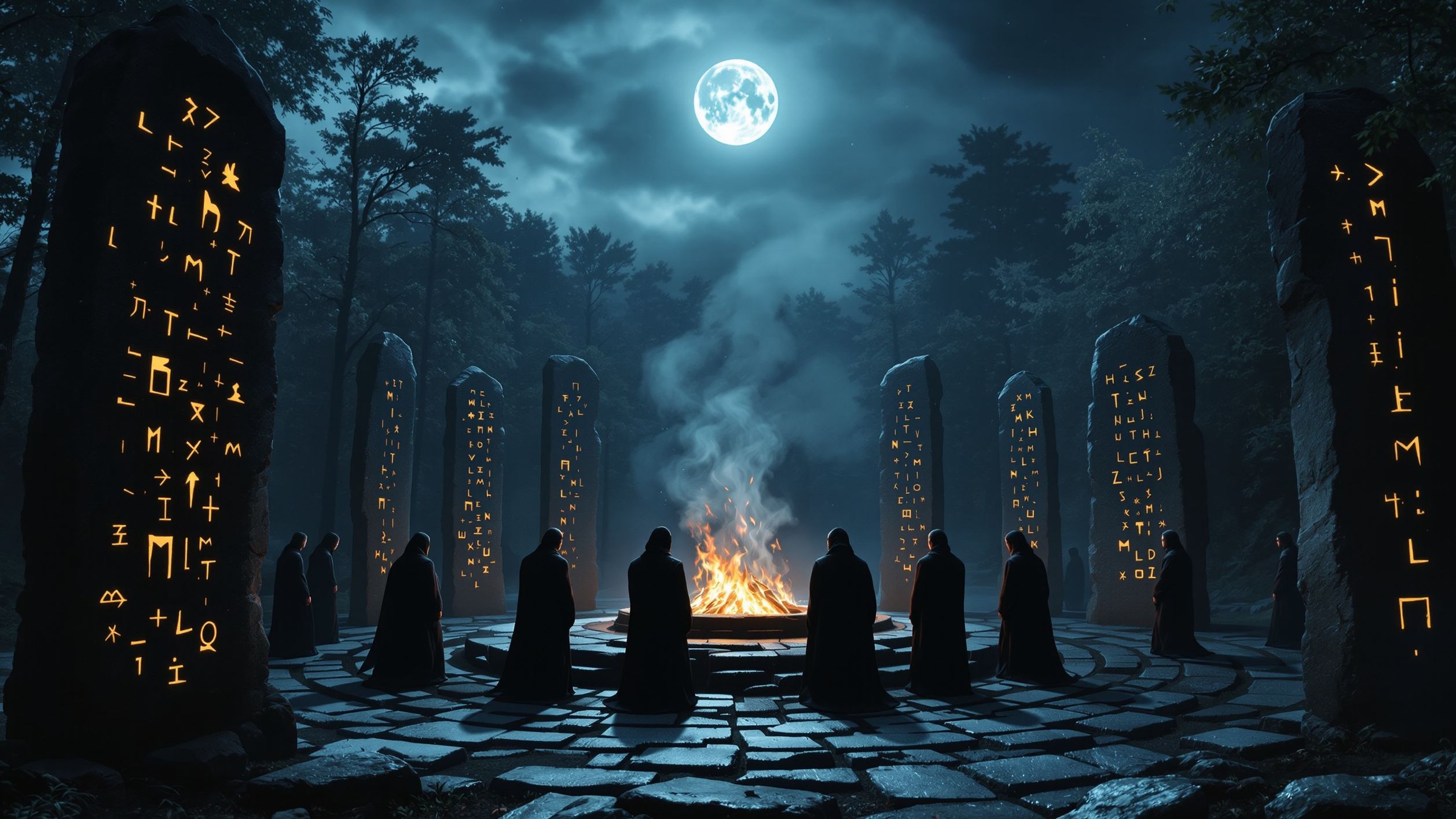

The Dark Origins of Ancient Curses Explained
Ancient curses often began as ritual warnings, legal protections, grief responses, and sacred boundary markers.

The World’s Most Famous Curses and Their Origins
The world’s most famous curses became famous because they attached fear to objects, tombs, families, places, and unexplained misfortune.

Ancient Rituals That Inspired Fear and Mystery
Ancient rituals inspired fear and mystery because they turned invisible beliefs, social pressure, and sacred boundaries into visible acts.

The Creepiest Curse Legends Ever Told
The creepiest curse legends endure because they turn coincidence, guilt, forbidden objects, and old warnings into stories that feel patient and inescapable.

The Truth Behind Ancient Rituals and Curses
The truth behind ancient rituals and curses is that they were social tools as much as supernatural stories.

Famous Curses That Still Fascinate People Today
Famous curses still fascinate people because they turn history, tragedy, objects, and coincidence into warnings that feel unfinished.