
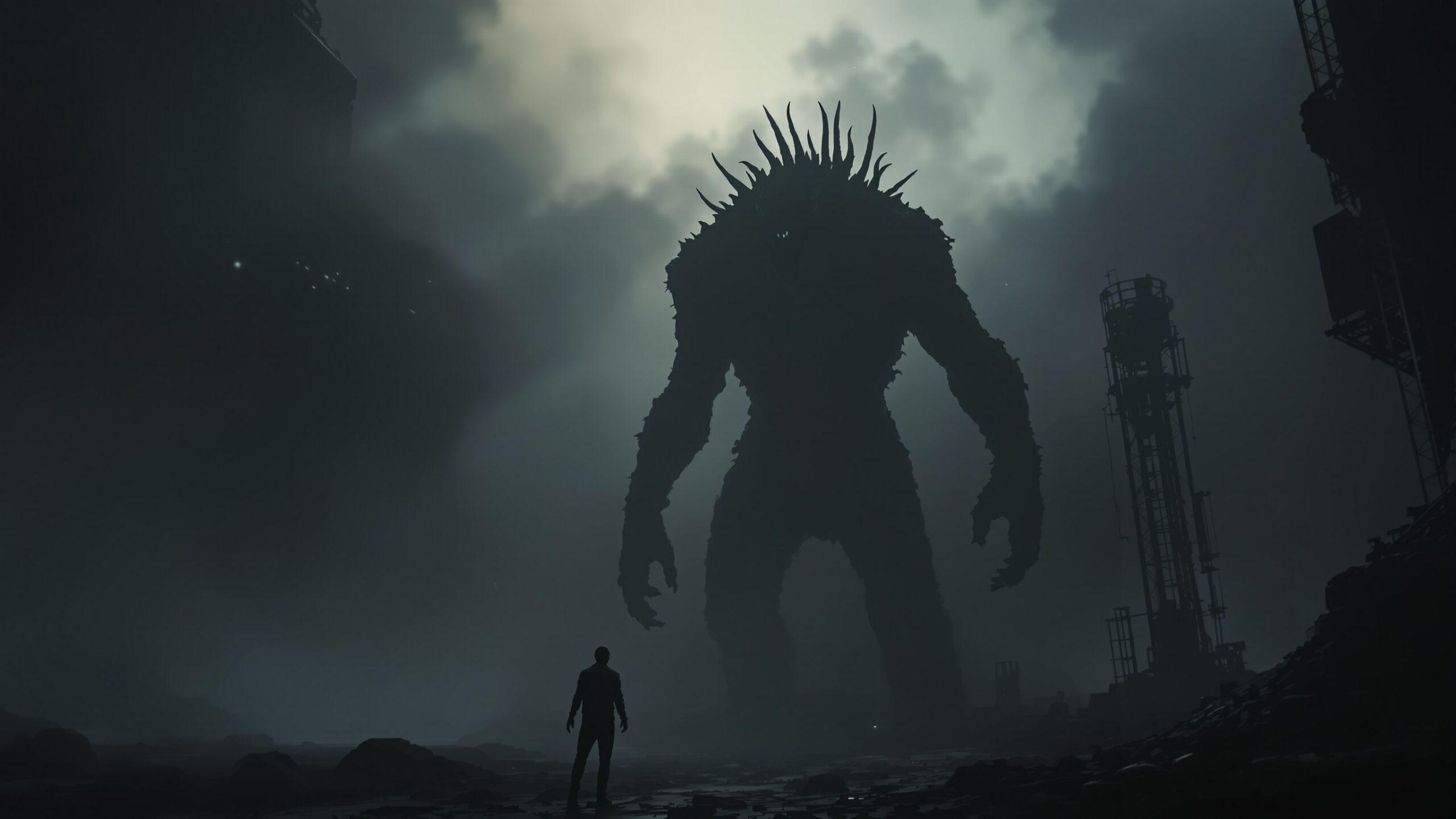
From shadowy silhouettes to unforgettable screen legends, welcome to Monsters in Film, a curated exploration of cinema’s most captivating creatures on Monster Street. Across decades and genres, monsters have served as reflections of cultural fears, technological innovation, and boundless imagination. They terrify, mesmerize, and often reveal more about humanity than the heroes themselves. Whether born from practical effects, groundbreaking CGI, or a fusion of both, cinematic monsters shape atmosphere, tension, and storytelling in ways few other elements can achieve. Their presence lingers long after the credits roll, etched into memory through design, performance, and myth.
Within this category, discover thoughtfully selected articles examining the evolution of creature effects, iconic performances, genre-defining films, and the artistry behind bringing monsters to life on screen. Explore how filmmakers use creatures to symbolize anxiety, wonder, and transformation, and how advancements in technology continually redefine what audiences can believe. Monsters in Film celebrates the intersection of fear, creativity, and cinematic craft.
A: A strong silhouette, a distinct sound identity, and behavior that fits the story world.
A: The audience imagines the worst; anticipation can exceed any full design.
A: It depends; practical often sells texture and light, CGI expands movement and scale.
A: Essential—sound tells you weight, distance, and intent before you see anything.
A: Overexposure and predictable patterns reduce uncertainty.
A: Yes—controlled highlights and shadows can sell form while concealing seams.
A: Limited visibility, longer holds, and framing that forces viewers to scan darkness.
A: Clear rules can increase fear by making the threat feel consistent and inevitable.
A: Inconsistent scale, mismatched sound, or movement that doesn’t match the creature’s weight.
A: Monsters become believable when the film treats them like real physical forces.