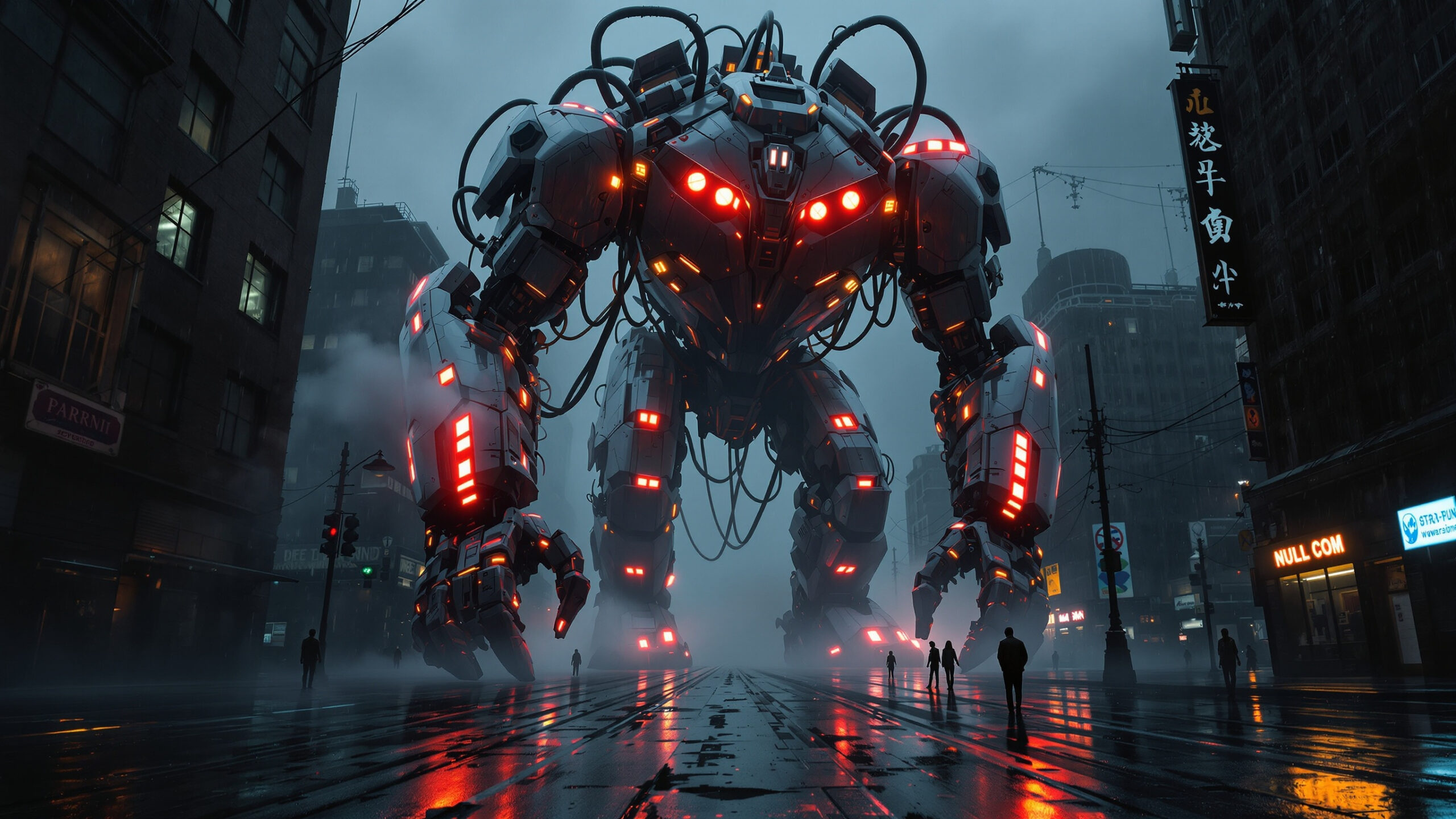
Some of the most frightening monsters are not born from pure imagination, but from real encounters reported by ordinary people. These monsters emerge from eyewitness testimony, police reports, historical documents, and modern recordings that defy easy explanation. Unlike fictional creatures designed purely for entertainment, monsters based on true stories blur the line between folklore and reality. They are unsettling because they are rooted in moments where something unknown was seen, heard, or experienced, leaving witnesses shaken and searching for answers long after the event ended.
A: No definitive proof—only documented encounters and unresolved cases.
A: Fear of ridicule, disbelief, or personal consequences.
A: Some are—but core details often remain consistent.
A: Possibly—misidentification and undiscovered species are considered.
A: The entity leaves, the witness escapes, or fear interrupts observation.
A: Yes—clusters appear in specific locations worldwide.
A: Because patterns emerge even when explanations don’t.
A: Many witnesses say yes—permanently.
A: They should be examined carefully, not mocked.
A: Because they exist at the edge of what we can explain.
When Reality Becomes the Source of Horror
True-story monsters gain power from credibility. Many encounters are reported by hunters, pilots, sailors, military personnel, and entire communities who had no motive to fabricate their experiences. These reports often include consistent physical descriptions, behavioral patterns, and environmental effects. While skeptics argue misidentification or psychological factors, the sheer number of similar accounts across time and geography suggests something more complex at work. These monsters live in the uncomfortable space where science lacks complete explanations.
Bigfoot and the Thousands of Witnesses
Few creatures exemplify reported encounters more than Bigfoot. For decades, people across North America have described a massive, upright, hair-covered being moving silently through forests. Sightings often include heavy footsteps, powerful body odor, and intelligent avoidance of humans. Indigenous oral histories describe similar beings long before modern media popularized the idea. Despite the lack of confirmed physical evidence, the consistency of eyewitness accounts from credible observers keeps Bigfoot firmly rooted in reported reality rather than pure myth.
The Mothman of Point Pleasant
In the 1960s, residents of Point Pleasant, West Virginia reported encounters with a terrifying winged humanoid later known as Mothman. Witnesses described glowing red eyes, massive wings, and an overwhelming sense of dread during sightings. What makes Mothman especially chilling is its connection to the collapse of the Silver Bridge in 1967. Several sightings occurred in the area before the disaster, leading some to believe the creature was a warning or omen. Whether psychological phenomenon or unknown entity, the timing and emotional impact of these encounters continue to disturb researchers.
The Beast of Gévaudan and Historical Terror
In 18th-century France, a series of brutal attacks were attributed to a mysterious creature known as the Beast of Gévaudan. Officially classified as wolf attacks, many witnesses described an animal far larger and more aggressive than any known wolf. Survivors reported unnatural coloration, intelligence, and resilience to injury. Hundreds of documented deaths occurred before the attacks suddenly stopped. The lack of definitive remains and conflicting historical records have turned the Beast into one of the earliest examples of a monster rooted in real, recorded fear.
Sea Serpents and Naval Reports
Sea serpent sightings have appeared in naval logs, captain’s journals, and eyewitness testimony for centuries. Sailors described massive, serpentine creatures moving through the water with speed and coordination unlike known marine animals. Some encounters involved multiple crew members observing the same phenomenon simultaneously. While some sightings may be attributed to whales or oarfish, others include behaviors and physical traits that remain unexplained. The ocean’s vastness and limited exploration make these reports especially difficult to dismiss entirely.
The Flatwoods Monster Incident
In 1952, a group of witnesses in Flatwoods, West Virginia encountered a strange being after witnessing a bright object fall from the sky. The creature was described as tall, armored, and glowing, with an overwhelming odor and physical effects such as nausea and burning eyes. Multiple witnesses gave similar descriptions, and the encounter left lasting fear within the community. While some explanations point to misidentified animals or environmental factors, the combination of visual, physical, and psychological effects makes the incident one of the most debated true-story monster encounters.
The Chupacabra Phenomenon
Reports of Chupacabra began in Puerto Rico and spread rapidly across Latin America and the southern United States. Farmers discovered livestock drained of blood with puncture wounds and no signs of struggle. Witnesses described a creature with glowing eyes and unnatural movement. While some cases were later linked to diseased animals, others remain unexplained due to the precision of the injuries. The Chupacabra sits at the intersection of cryptid encounters and modern folklore shaped by real events.
Lake Monsters and Repeated Sightings
From Scotland’s Loch Ness to North America’s Lake Champlain, reports of large aquatic creatures have persisted for generations. Witnesses describe long-necked or serpentine beings moving deliberately beneath the surface. Sonar contacts and photographic anomalies have fueled speculation, though none have provided definitive proof. What keeps these monsters alive in public consciousness is the repetition of similar sightings by unrelated observers over long periods of time.
Monsters Born from Remote Places
Many true-story monster encounters occur in isolated environments where human presence is limited. Dense forests, deep oceans, deserts, and mountains create ideal conditions for both misidentification and undiscovered life. Witnesses often describe overwhelming feelings of being watched or pursued, suggesting encounters that go beyond simple visual confusion. The remoteness of these locations makes follow-up investigation difficult, allowing mysteries to persist.
Psychology, Fear, and the Unknown
Psychological explanations play a role in interpreting monster encounters, but they do not account for all aspects. Stress, darkness, and isolation can heighten perception, yet they do not explain shared sightings among multiple witnesses. Fear itself can sharpen memory as much as distort it. Monsters based on true stories often combine psychological impact with physical detail, making them difficult to fully dismiss.
Why These Monsters Endure
Monsters rooted in reported encounters endure because they challenge certainty. They suggest that the world may still contain unknown life, unexplained phenomena, or gaps in understanding. Each new report adds another layer to the mystery, reinforcing patterns rather than closing cases. As long as people continue to experience something they cannot explain, these monsters will remain part of our collective curiosity.
The Boundary Between Fact and Fear
True-story monsters exist on the boundary between fact and fear. They may one day be explained through science, technology, or new discoveries. Until then, they remain powerful reminders that human knowledge is incomplete. These monsters are not just stories meant to scare, but records of moments when reality itself seemed to break its own rules, leaving behind questions that still refuse to be answered.