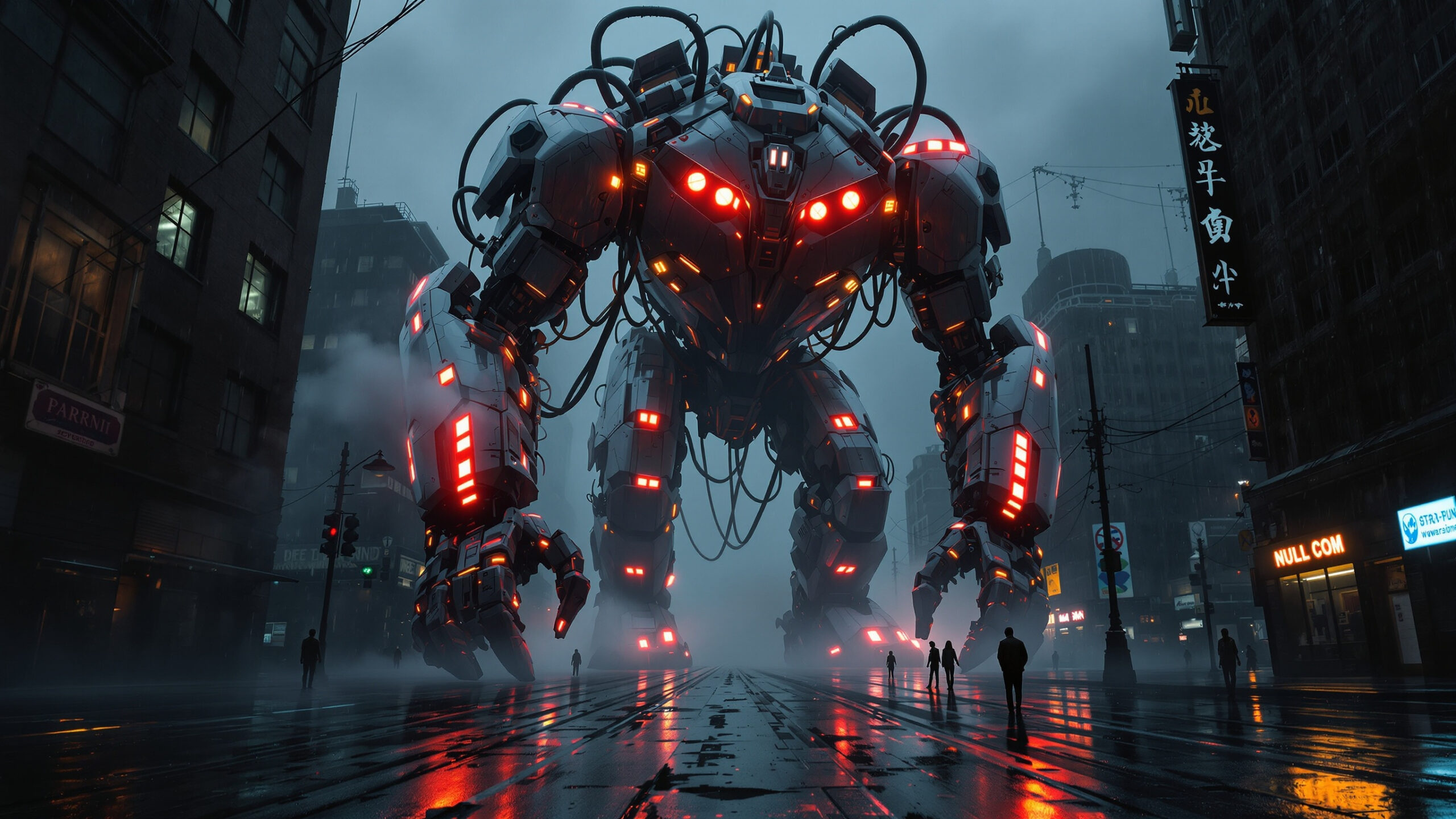
Throughout horror history, some of the most unforgettable monsters were not born from ancient curses or alien worlds, but from experiments that should never have been attempted. These stories tap into a deep human fear: the idea that intelligence, ambition, and curiosity can cross a line where knowledge becomes corruption. Cursed experiments transform laboratories into tombs and scientists into unwitting villains, creating monsters that are tragic reminders of hubris. Whether rooted in science, alchemy, or forbidden research, these creations reflect humanity’s anxiety about playing god and losing control of what we create.
A: Often both—the tragedy fuels the horror.
A: Because they echo real ethical fears about science.
A: Loosely—history provides unsettling inspiration.
A: They replace folklore as modern cautionary tales.
A: Frequently—creators are common targets.
A: Rarely—most stories reject easy fixes.
A: Ambition and pressure override caution.
A: In horror, yes—that’s the lesson.
A: They suggest unfinished business.
A: They warn us about crossing lines we still debate today.
The Birth of Frankenstein’s Monster
Few experimental monsters are as influential as the creature from Frankenstein. Victor Frankenstein’s obsession with conquering death leads him to stitch together a body and reanimate it through unnatural means. The monster itself is not born evil, but becomes monstrous through rejection, isolation, and suffering. This experiment is cursed not because it fails, but because it succeeds without responsibility. Frankenstein’s creation embodies the fear that scientific achievement without compassion can produce consequences far worse than ignorance.
The Invisible Man and the Cost of Obsession
In The Invisible Man, an experiment designed to push the boundaries of physics strips its subject of morality along with visibility. The process of invisibility isolates the scientist from society, eroding empathy and accountability. What begins as intellectual triumph becomes psychological collapse. The curse lies in the experiment’s effect on the mind, proving that power without consequence can turn a man into a monster even without physical transformation.
Dr. Jekyll and the Split Soul
The experiment at the heart of Strange Case of Dr Jekyll and Mr Hyde is not about creating life, but separating it. Dr. Jekyll’s serum allows him to isolate his darker impulses into a separate form. Mr. Hyde is smaller, crueler, and unrestrained, embodying the parts of humanity that society suppresses. The curse of the experiment is its honesty. By proving that evil exists within the self, Jekyll loses control over the transformation, showing that some truths cannot be safely uncovered.
The Fly and the Horror of Transformation
The tragic experiment in The Fly turns teleportation into body horror. A single mistake fuses human and insect at the molecular level, resulting in a slow, agonizing transformation. The monster is not an instant creation, but an unfolding nightmare where intelligence and identity decay alongside the body. The experiment is cursed because it exposes how fragile the human form truly is, and how irreversible scientific error can be.
Re-Animator and Forbidden Knowledge
Inspired by the works of H. P. Lovecraft, Re-Animator centers on experiments to restore life to the dead. Unlike Frankenstein, these experiments succeed repeatedly, but without restoring humanity. Reanimated bodies return violent, confused, and grotesque. The curse lies in the refusal to accept death as a boundary. Each success produces something less human, reinforcing the idea that some limits exist for a reason.
Island Experiments and Twisted Evolution
In The Island of Dr Moreau, experiments push biology into moral nightmare. Dr. Moreau reshapes animals into humanoid forms through surgery and conditioning, forcing them into unnatural intelligence. These creatures live in constant pain and confusion, struggling between instinct and imposed order. The curse of the experiment is cruelty disguised as progress. Moreau’s creations reveal that intelligence gained through suffering is not advancement, but violation.
Military Experiments Gone Wrong
Many iconic monsters are born from experiments conducted in the name of national security. Super-soldier serums, radiation exposure, and biochemical weapons often create beings that are uncontrollable or mentally fractured. These stories reflect fear of governments prioritizing power over humanity. The curse here is institutional, where moral responsibility is buried beneath secrecy and urgency. The resulting monsters are living evidence of what happens when ethics are sacrificed for dominance.
Radiation and the Atomic Age Monster
Post-war horror introduced monsters created by radiation and nuclear testing. These experiments were not always intentional, but their consequences were monstrous. Mutated creatures and deformed humans symbolized humanity’s fear of atomic power. The curse of these experiments lies in their scale. Unlike a single laboratory mistake, radiation affects entire ecosystems, suggesting that some scientific advancements create monsters that cannot be contained.
Artificial Life and Synthetic Souls
Experiments to create artificial life often produce monsters not because they fail, but because they succeed too well. Androids, clones, and bioengineered beings struggle with identity, autonomy, and purpose. These stories question whether creation without origin can ever be complete. The curse is existential, as these monsters are denied belonging in either the human or artificial world, leaving them trapped between definitions.
Psychological Experiments and Broken Minds
Not all cursed experiments produce physical monsters. Psychological testing, sensory deprivation, and behavior manipulation can fracture identity and empathy. These experiments turn humans into monsters through trauma rather than mutation. The horror lies in how subtle the transformation can be, as victims appear outwardly normal while becoming dangerous within. These monsters reflect fear of losing free will and selfhood under manipulation.
Experiments That Refuse to End
Some cursed experiments continue long after their creators are gone. Monsters escape laboratories, evolve independently, or influence future research. Their existence becomes a permanent warning embedded in the world. The curse is generational, passed down as consequences ripple forward. These monsters are not endings, but beginnings of long-term catastrophe.
The Tragedy Behind the Monster
What unites most experimental monsters is tragedy. They are rarely villains by choice. Created through arrogance, desperation, or obsession, they suffer consequences alongside their creators. This tragedy deepens fear, transforming monsters into symbols of regret rather than simple threats. The horror becomes emotional as well as physical.
Why Experimental Monsters Endure
Cursed experiments endure in storytelling because they mirror real scientific anxiety. As technology advances, the line between possibility and danger grows thinner. These monsters ask uncomfortable questions about responsibility, consent, and restraint. They remind audiences that intelligence alone is not wisdom.
Knowledge Without Restraint
The most terrifying aspect of cursed experiments is not the monster itself, but the mindset that created it. These stories warn that progress without ethics invites disaster. The monsters left behind are living evidence of ambition unchecked by empathy.
When Creation Becomes Damnation
Cursed experiments turn creators into destroyers and discoveries into nightmares. The monsters they produce stand as cautionary figures, reminding humanity that some doors, once opened, cannot be closed. In horror history, these iconic monsters persist because they confront a timeless fear: that the greatest danger does not come from the unknown, but from what we choose to create.