Horror is not built solely on individual monsters, but on patterns—recurring shapes of fear that appear again and again across cultures, stories, and generations. These patterns, known as archetypes, are the foundation of what terrifies us. They are not tied to a single character or story, but exist as ideas that can take countless forms. From shadowy presences lurking just out of sight to cursed figures trapped between worlds, these archetypes tap into something deeply human. They reflect our oldest fears, our psychological struggles, and the unknown forces we can never fully explain. Long after specific stories fade, these archetypes remain, continuing to haunt our dreams and define the essence of horror.
A: It taps a deep fear quickly and feels larger than one single story or setting.
A: Because they look close enough to us to feel familiar, but wrong enough to feel threatening.
A: Not always; physical killers feel possible, while supernatural threats feel impossible to control.
A: They represent innocence, so corruption of that innocence creates a sharp emotional shock.
A: Because the imagination often creates something worse than a fully revealed design.
A: Folklore gives monsters cultural roots, symbolic meaning, and a sense of age and inevitability.
A: It weaponizes anticipation, making every hallway, window, and silence feel dangerous.
A: The terror of losing control over your body, voice, thoughts, and identity.
A: They place evil inside familiar items, suggesting danger can hide in everyday life.
A: Usually the one that feels both ancient and personal, as if it has always known exactly how to find you.
The Shadow Figure: Fear of the Unseen
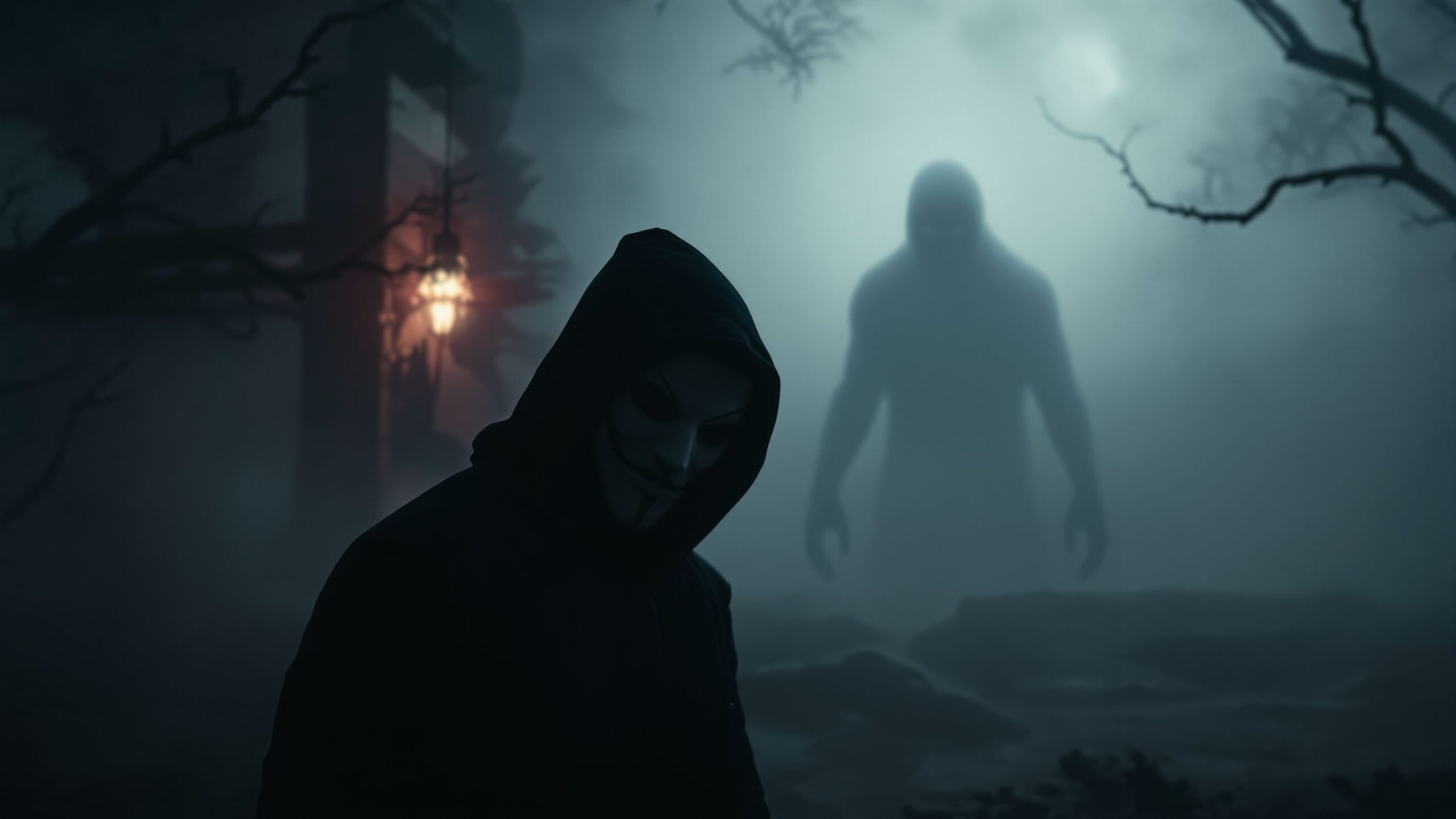
One of the most primal and universal horror archetypes is the shadow figure—the sense that something is present, even when it cannot be clearly seen. This archetype appears in countless forms, from vague silhouettes in dark corners to fully realized entities that move just beyond perception.
The fear of shadow figures is rooted in uncertainty. Humans are wired to recognize patterns and threats, but shadows obscure detail, leaving the mind to fill in the gaps. This creates a uniquely personal form of fear, as each individual imagines something different lurking in the darkness.
Stories of Shadow People exemplify this archetype. Often described as fleeting shapes or figures glimpsed in peripheral vision, they blur the line between psychological experience and supernatural encounter. Their power lies in their ambiguity—what we cannot fully see is often more terrifying than what we can.
The Doppelgänger: Fear of the Self
Few concepts are as unsettling as encountering a version of oneself that is not quite right. The doppelgänger archetype represents the fear of identity, of losing control over who we are, or of confronting a darker version of ourselves.
This archetype has roots in folklore and literature, where seeing one’s double was often considered an omen of death. It challenges the idea of individuality, suggesting that the self can be divided, duplicated, or replaced.
The doppelgänger’s horror comes from its familiarity. It looks like us, moves like us, and may even think like us—but something is off. That subtle difference creates a sense of unease that lingers, forcing us to question what defines our identity.
The Haunted Child: Innocence Turned Unsettling
Children are often associated with innocence and vulnerability, which makes their transformation into sources of fear particularly disturbing. The haunted child archetype appears in stories where something pure becomes corrupted, creating a contrast that amplifies the horror.
This archetype taps into protective instincts. The idea that a child could be possessed, influenced, or inherently unsettling challenges deeply held beliefs about safety and innocence. It introduces a sense of unpredictability, as the familiar becomes strange.
The haunted child is not always malicious. Sometimes, they are victims of forces beyond their control, adding a layer of tragedy to the fear. This duality—both innocent and dangerous—makes the archetype especially powerful.
The Eternal Watcher: Fear of Being Observed
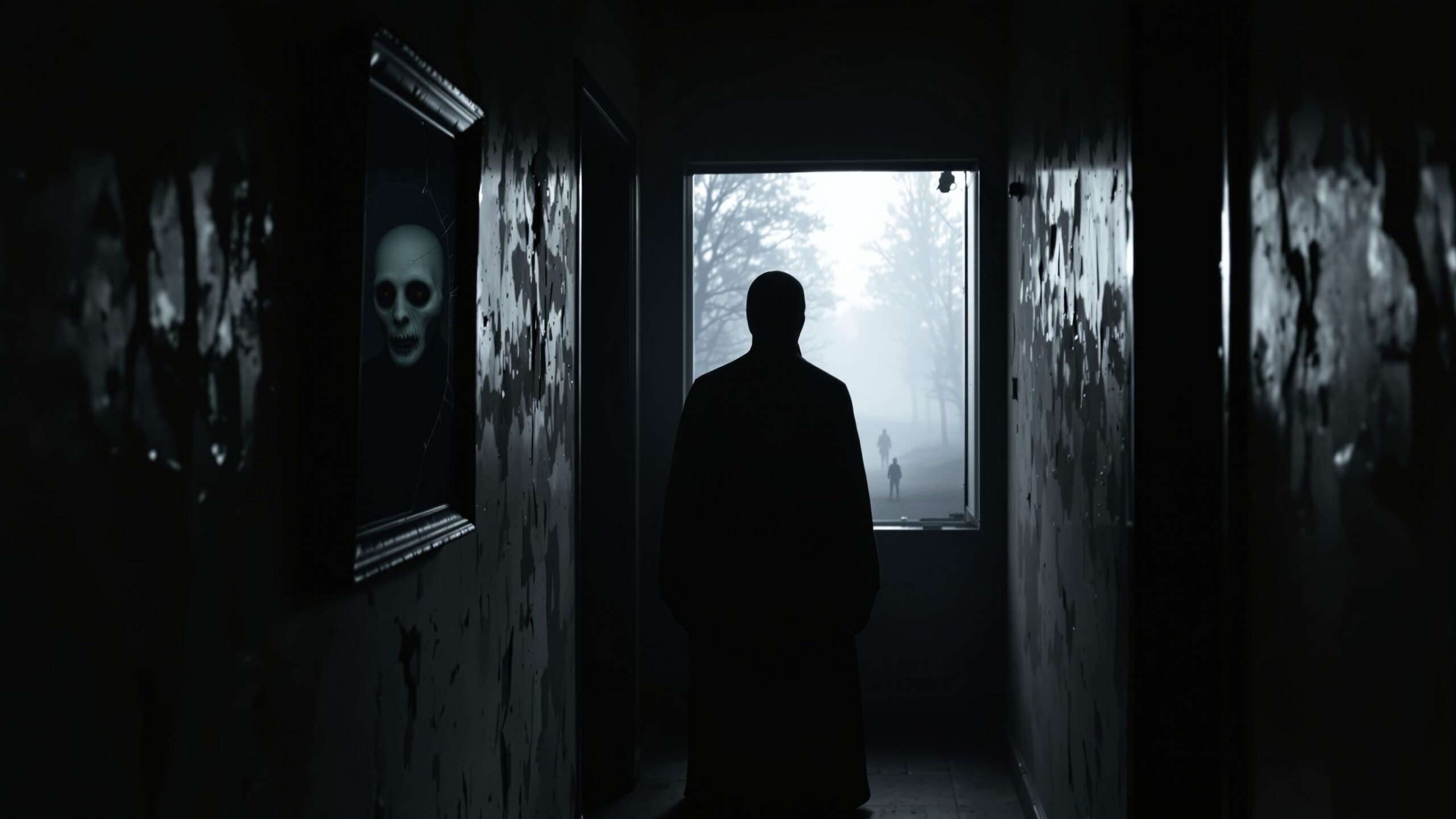
Another enduring archetype is the sense of being watched. The eternal watcher is not always seen directly, but its presence is felt. It exists just beyond awareness, observing without being observed.
This archetype is closely tied to vulnerability. To be watched is to lose privacy, to be exposed without consent. It creates tension and unease, as the boundaries between safety and danger become blurred.
Modern interpretations often connect this archetype to technology, surveillance, and the digital world. However, its roots are ancient, reflecting a timeless fear of unseen forces that monitor and judge.
The Cursed Being: Trapped by Fate
The cursed being is a staple of horror, representing the fear of inevitability. Once the curse takes hold, there is no escape. This archetype appears in stories of transformation, haunting, and supernatural punishment.
What makes the cursed being so compelling is its tragic nature. These characters are often aware of their fate, struggling against forces they cannot control. Their stories are not just about fear, but about loss, regret, and the consequences of actions.
This archetype resonates because it reflects real human fears—of illness, of destiny, of situations that feel beyond our control. It turns abstract anxieties into tangible narratives.
The Unstoppable Entity: Fear of Inevitability
Some horror archetypes are defined not by what they are, but by what they do. The unstoppable entity represents a force that cannot be reasoned with, escaped, or defeated. It moves forward relentlessly, creating a sense of dread that builds over time.
This archetype strips away the possibility of control. There are no bargains, no solutions—only the certainty of pursuit. It reflects fears of inevitability and powerlessness, themes that resonate deeply in both personal and societal contexts.
The simplicity of the unstoppable entity is what makes it so effective. It does not need complexity or explanation. Its presence alone is enough to create tension and fear.
The Living Space: Fear of the Familiar
Not all horror comes from creatures. Sometimes, the environment itself becomes the source of fear. The living space archetype transforms familiar settings—homes, schools, everyday locations—into places of danger.
This archetype is particularly effective because it removes the sense of safety. If the places we trust can become threatening, then nowhere feels secure. It challenges the idea of refuge, turning comfort into unease.
Haunted houses are a classic example, but the concept extends beyond that. Any space can become unsettling when it behaves in unexpected ways, creating a sense of instability.
The Ancient Presence: Fear of What Came Before
The ancient presence archetype draws on the idea that something old, powerful, and incomprehensible exists beyond human understanding. These entities are often tied to forgotten histories, hidden knowledge, or cosmic forces.
Their horror lies in their scale and indifference. They are not concerned with humanity, yet their existence affects it profoundly. This creates a sense of insignificance, challenging our perception of control and importance.
This archetype reflects a deeper existential fear—the realization that there are forces in the universe that we cannot comprehend or influence.
Why These Archetypes Endure
The reason these archetypes continue to appear across stories and cultures is simple: they are rooted in universal human experiences. Fear of the unknown, loss of control, identity, and isolation are not tied to any one time or place. They are part of what it means to be human.
Archetypes provide a framework for expressing these fears. They allow storytellers to explore complex ideas in ways that are accessible and impactful. By returning to these patterns, horror remains both familiar and endlessly adaptable.
The Patterns Behind Fear
The creepiest horror archetypes are not bound by specific characters or narratives. They exist as enduring patterns that shape how we experience fear. Whether appearing in ancient myths or modern stories, they continue to evolve, reflecting the concerns of each generation. These archetypes remind us that horror is not just about what we see—it is about what we feel and what we imagine. They reveal the deeper structures of fear, showing that the most powerful stories are those that tap into something universal. As long as these fears remain part of the human experience, these archetypes will continue to haunt our nightmares, shifting forms but never losing their power.