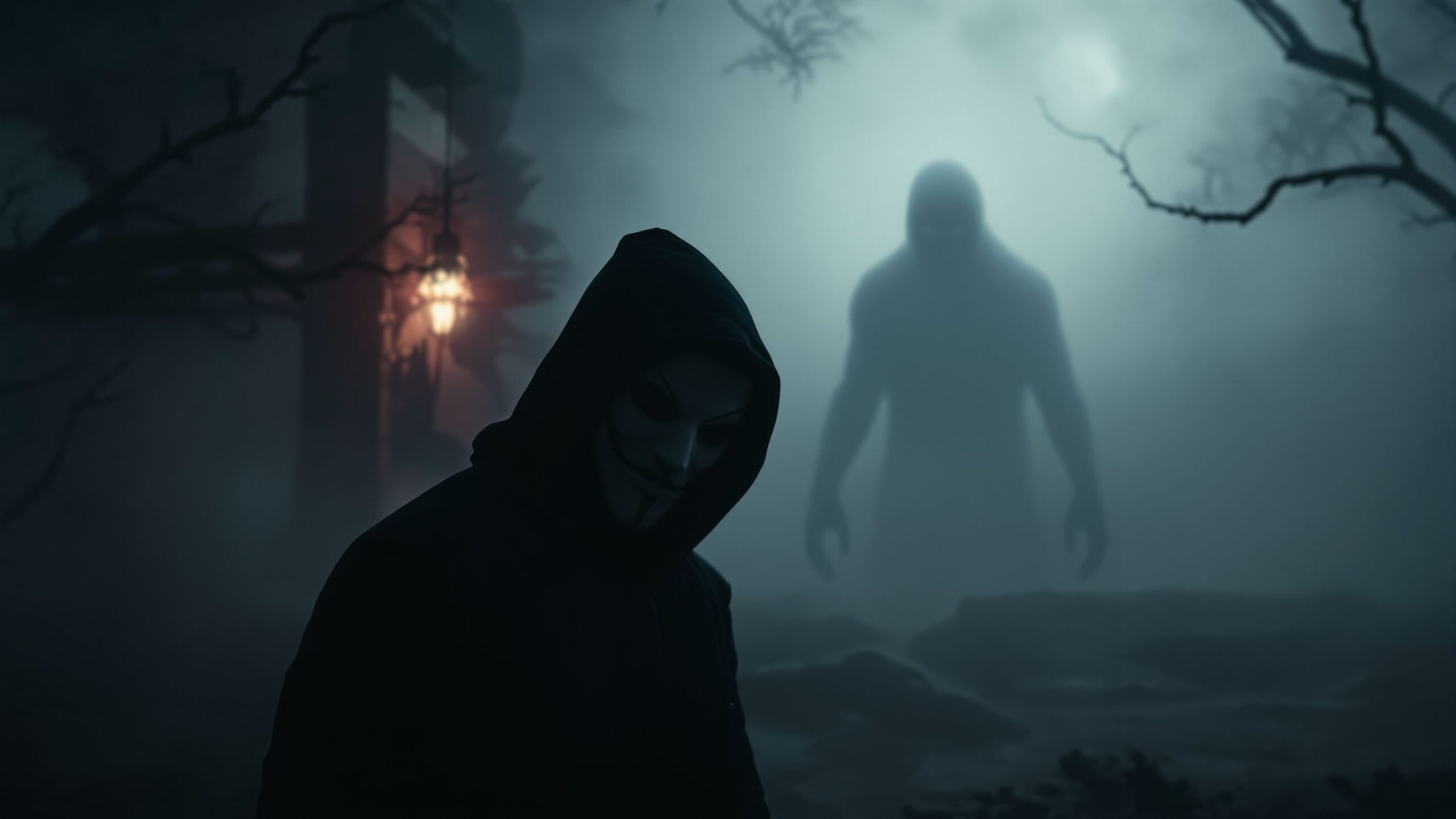
For decades, Hollywood defined what horror looked like. From classic Universal monsters to slasher villains dominating multiplex screens, the industry shaped the faces of fear for generations. But in recent years, something has shifted. Horror icons are no longer confined to big studios or long-running franchises. They are emerging from unexpected places—independent films, global folklore, internet culture, and experimental storytelling. These new figures are redefining horror, proving that terror does not need a massive budget or a cinematic universe to leave a lasting impact.
A: A widely recognized figure that embodies fear, often emerging outside traditional film.
A: Technology and media platforms allow creators to reach audiences directly.
A: Through sharing, discussion, and viral spread across communities.
A: Yes, many have achieved global recognition and lasting cultural influence.
A: Fans help expand and reinterpret stories, shaping the evolution of the icons.
A: It allows fear to grow through uncertainty and imagination.
A: Yes, many have created influential horror experiences with minimal resources.
A: It adds immersion, making fear interactive and personal.
A: Technology, isolation, identity, and psychological tension.
A: Because storytelling tools are more accessible than ever, allowing new voices to shape fear.
Breaking Free from the Franchise Formula
Traditional Hollywood horror often relied on repetition. Successful characters became franchises, with sequels and reboots extending their presence across decades. While this approach created iconic figures, it also limited innovation. Stories became predictable, and characters were often reduced to familiar patterns.
The rise of independent filmmaking has challenged this formula. Without the constraints of studio expectations, creators have been able to experiment with new ideas, tones, and visual styles. This freedom has led to the creation of horror icons that feel fresh, unpredictable, and deeply personal.
These new icons are not defined by longevity alone, but by impact. They resonate because they tap into contemporary fears and present them in ways that feel immediate and authentic.
Indie Horror and the Power of Simplicity
Independent horror has become a fertile ground for innovation. Films made with limited resources often rely on atmosphere, storytelling, and psychological tension rather than spectacle. This approach has produced some of the most memorable horror figures of the modern era.
A prime example is The Babadook, which introduced a haunting presence that exists as much in the mind as in reality. The Babadook is not just a creature—it is a manifestation of grief and unresolved trauma. Its design is simple, yet deeply unsettling, proving that horror does not need complexity to be effective.
Similarly, It Follows presents an entity that can take any human form, slowly and relentlessly pursuing its victims. This concept transforms everyday spaces into sources of fear, making the monster feel inescapable.
These films demonstrate that horror icons can emerge from ideas rather than budgets. They rely on creativity and emotional depth to leave a lasting impression.
Global Voices and Cultural Horror
As horror expands beyond Hollywood, global storytelling has introduced audiences to new perspectives and traditions. Creators from around the world are bringing their own cultural fears and folklore into the genre, creating icons that feel distinct and deeply rooted in their origins.
Films like Ringu introduced audiences to a different style of horror, emphasizing atmosphere and psychological dread. The film’s central figure, a ghostly presence tied to a cursed videotape, became an international icon, inspiring adaptations and influencing the genre worldwide.
In Spain, REC combined found-footage storytelling with intense realism, creating a new kind of horror experience. These films show how cultural context shapes fear, offering fresh narratives that expand the boundaries of the genre.
Global horror icons often carry deeper meanings, reflecting societal issues, traditions, and beliefs. They bring diversity to horror, enriching it with new voices and ideas.
The Internet as a Breeding Ground for Fear
Perhaps the most significant shift in horror icon creation has come from the internet. Digital platforms have allowed stories to spread rapidly, creating shared experiences that transcend geography. Urban legends, creepypasta, and viral content have given rise to entirely new kinds of monsters.
Figures like Slender Man demonstrate how quickly a concept can evolve into a cultural phenomenon. Born from a simple image and a short description, Slender Man became a fully realized myth through collective storytelling.
Online horror thrives on ambiguity and participation. Stories are often incomplete, inviting audiences to fill in the gaps. This interactive element makes the fear feel personal, as each individual contributes to the narrative.
The internet has democratized horror, allowing anyone to create and share their own stories. This has led to a constant influx of new ideas, ensuring that the genre remains dynamic and ever-changing.
Psychological Horror and the Inner Monster
Modern horror icons often move away from physical threats and focus on psychological terror. Instead of external monsters, these stories explore internal struggles—fear, guilt, trauma, and identity.
This shift reflects a broader change in how audiences engage with horror. Rather than seeking simple scares, viewers are drawn to stories that resonate on a deeper level. Horror becomes a way to explore complex emotions and confront uncomfortable truths.
Characters and entities in this space are often abstract, representing concepts rather than concrete beings. This makes them more difficult to define, but also more powerful. They linger in the mind, continuing to evoke fear long after the story ends.
The Role of Technology in Modern Horror
Technology has also played a significant role in shaping new horror icons. From found-footage films to screen-based storytelling, modern horror often incorporates the tools and environments of everyday life.
The use of phones, computers, and social media creates a sense of immediacy. Horror is no longer confined to distant locations or fictional worlds—it exists within familiar spaces. This proximity makes the fear more intense, as it feels closer to reality.
Technological horror also reflects contemporary anxieties. Concerns about privacy, surveillance, and digital identity become central themes, giving rise to new kinds of monsters that exist within the systems we rely on.
Why These New Icons Matter
The rise of horror icons outside Hollywood franchises represents a shift in how stories are told and shared. It shows that creativity and innovation are not limited to big studios, and that powerful ideas can emerge from anywhere.
These icons matter because they reflect the world we live in today. They address current fears, explore new perspectives, and challenge traditional storytelling conventions. They keep the genre alive and relevant, ensuring that horror continues to evolve.
The Future of Horror Icons
As technology advances and storytelling platforms expand, the creation of horror icons will continue to change. Virtual reality, interactive media, and global collaboration will open new possibilities for how horror is experienced and shared.
The next generation of horror icons may not come from a single creator or medium. They may emerge from communities, shaped by collective imagination and shared experiences. This evolution will push the boundaries of what horror can be, creating new forms of fear that we have yet to fully understand.
A New Era of Fear
The rise of horror icons outside Hollywood franchises marks the beginning of a new era for the genre. It is a time of experimentation, diversity, and innovation, where fear is no longer defined by tradition but by creativity. These new icons remind us that horror is not static. It adapts, evolves, and reflects the world around us. Whether born from indie films, global folklore, or the depths of the internet, they carry forward the legacy of fear in new and exciting ways. As audiences continue to seek out fresh and meaningful experiences, the future of horror looks more dynamic than ever. And in that ever-changing landscape, new icons will rise—unexpected, unforgettable, and ready to redefine what it means to be afraid.