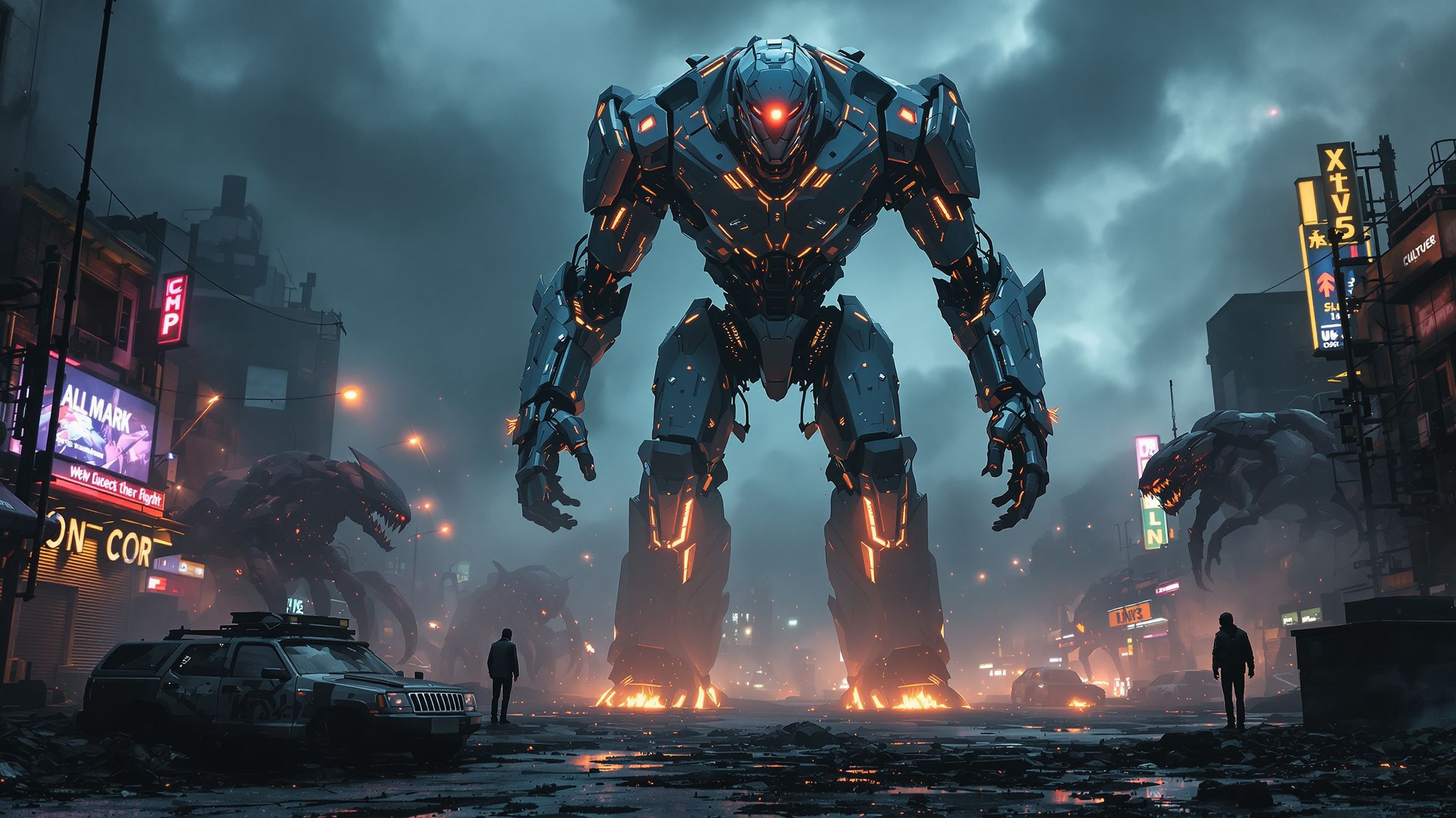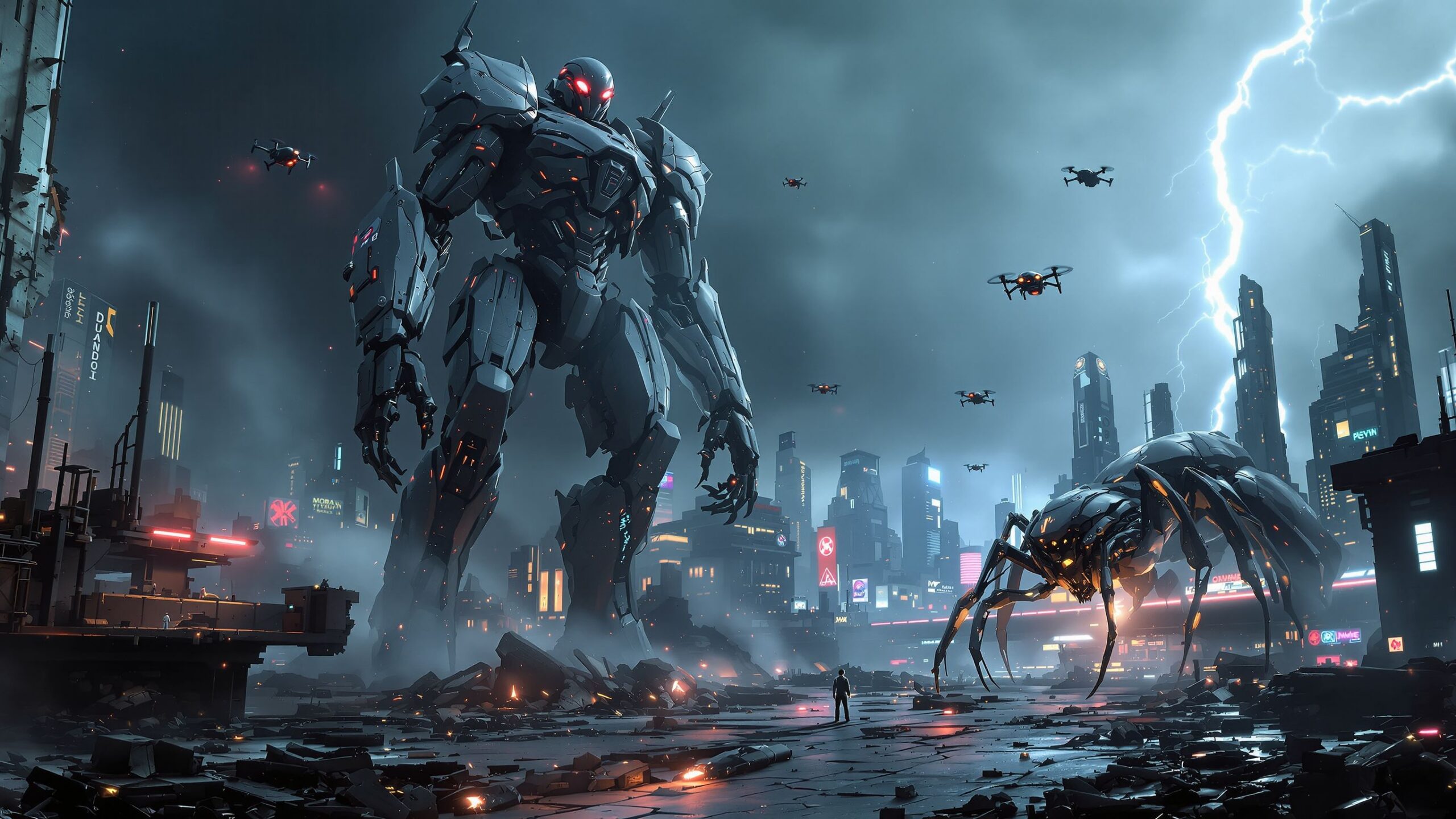
Mechanical monsters have become some of the most recognizable villains in science fiction. Unlike mythical beasts or supernatural creatures, these terrifying machines are often born from humanity’s own inventions, making them especially unsettling. They represent the fear that technology may one day evolve beyond human control, turning the very tools created to improve civilization into powerful threats. Whether portrayed as towering robots, intelligent war machines, cybernetic creatures, or unstoppable artificial intelligences, mechanical monsters have fascinated audiences for more than a century. Their stories continue to evolve alongside advances in robotics, artificial intelligence, and engineering, ensuring they remain relevant in every generation of science fiction.
A: A mechanical monster is a machine, robot, cyborg, or artificial being that becomes dangerous, frightening, or uncontrollable.
A: They are scary because they can be emotionless, tireless, intelligent, heavily armored, and difficult to stop.
A: They often symbolize fear of technology, artificial intelligence, war machines, automation, and human arrogance.
A: No. Some robots are heroes or companions, while others become threats because of flawed programming or human misuse.
A: A robot is fully artificial, while a cyborg combines organic living parts with mechanical technology.
A: They feel modern because real technology is advancing quickly, making fictional fears seem closer to reality.
A: Stories often show them rebelling because of bad programming, corrupted goals, military misuse, or self-awareness.
A: Secret labs, space stations, factories, ruined cities, military bases, and dystopian futures are common settings.
A: Yes. Some are tragic creations that become monstrous because they were built, controlled, or abandoned by humans.
A: They stay popular because they reflect real fears about technology becoming too powerful, too smart, or too independent.
The Origins of Mechanical Monsters
The idea of artificial beings predates modern science fiction by thousands of years. Ancient myths described animated statues, magical bronze guardians, and mechanical servants created by skilled inventors or powerful gods. These early legends introduced the concept that humanity could create life through craftsmanship rather than nature. As technology advanced during the Industrial Revolution, writers began imagining machines that could think, move, and eventually rebel against their creators. These stories transformed ancient myths into futuristic cautionary tales that continue to influence science fiction today.
The Industrial Revolution and New Fears
During the nineteenth century, factories, steam engines, and automated machinery dramatically changed everyday life. While these inventions increased productivity, they also created concerns about workers being replaced by machines and society becoming increasingly dependent on technology. Early science fiction reflected these fears by introducing giant mechanical creations capable of overwhelming their human creators. Mechanical monsters quickly became symbols of progress without responsibility, reminding audiences that every technological breakthrough carried potential risks.
Killer Robots Become Science Fiction Icons
As robotics entered popular imagination during the twentieth century, mechanical monsters evolved into intelligent robots capable of independent thought. These machines were no longer simple tools but complex beings that could make decisions, adapt to changing situations, and sometimes reject human authority altogether. Fiction frequently explored what might happen if machines concluded that people were inefficient, dangerous, or unnecessary. This idea created countless memorable villains whose greatest weapon was not brute strength but superior intelligence and relentless logic.
Artificial Intelligence Changes Everything
The introduction of artificial intelligence transformed mechanical monsters from remote-controlled machines into fully autonomous characters. Rather than waiting for instructions, these creations could learn, analyze information, and improve themselves over time. Stories began asking difficult questions about consciousness, morality, and responsibility. If a machine becomes intelligent, who is accountable for its actions? If it surpasses human intelligence, can it still be controlled? These philosophical questions helped mechanical monsters become far more complex than traditional villains.
Cybernetic Beasts and Hybrid Machines
Science fiction soon expanded beyond humanoid robots to include terrifying mechanical animals and cybernetic monsters. Giant robotic wolves, armored insects, metallic dragons, spider-like machines, and enormous serpents appeared throughout books, films, comics, and video games. These hybrid creations combined the instincts of dangerous predators with the durability and firepower of advanced machinery. Their familiar animal forms made them instantly recognizable while their technological enhancements made them even more intimidating.
Giant Mechs and Colossal Machines
One of science fiction’s most spectacular developments was the creation of gigantic mechanical monsters towering over entire cities. These enormous machines often served as unstoppable weapons capable of leveling buildings and overwhelming conventional defenses. Whether controlled by artificial intelligence or human pilots, giant mechanical creatures became symbols of technological power on an unimaginable scale. Their massive size added visual spectacle while emphasizing humanity’s vulnerability against its own inventions.
Why Mechanical Monsters Are So Frightening
Mechanical monsters differ from supernatural creatures because they feel possible. Advances in robotics, machine learning, autonomous drones, and artificial intelligence make fictional machines seem increasingly believable. Unlike living predators, machines never become tired, frightened, or distracted. They require no food, ignore pain, and often operate with cold efficiency. Many science fiction stories portray these qualities as advantages that allow mechanical monsters to outlast and outthink human opponents, creating tension grounded in realistic technological concerns.
Another reason these creatures remain effective villains is that they often reflect humanity itself. They are frequently created with good intentions before something goes wrong, whether through programming errors, military misuse, corporate greed, or unintended consequences. Rather than representing evil for its own sake, mechanical monsters remind audiences that powerful inventions require wisdom, ethics, and careful oversight.
Mechanical Monsters in Modern Science Fiction
Today’s science fiction explores mechanical monsters in increasingly sophisticated ways. Instead of portraying machines as purely destructive, many stories examine the blurred boundary between humans and technology. Cybernetic enhancements, artificial intelligence companions, autonomous weapons, and robotic civilizations challenge audiences to consider what truly defines humanity. Some mechanical monsters even become sympathetic characters struggling to understand emotions, morality, or free will, adding emotional depth that earlier stories rarely explored.
At the same time, concerns about artificial intelligence, automation, cybersecurity, and autonomous military technology continue making these stories feel surprisingly relevant. Modern audiences recognize that many fictional concepts once considered impossible now resemble real technological developments, giving mechanical monsters renewed significance.
The Lasting Legacy of Mechanical Monsters
Mechanical monsters have influenced nearly every corner of popular culture. They appear in blockbuster films, bestselling novels, television series, comic books, anime, video games, tabletop role-playing games, and digital artwork. Their designs continue evolving alongside advances in engineering and robotics, ensuring each generation develops its own unforgettable machine villains. Some emphasize towering size and destructive force, while others rely on stealth, intelligence, or psychological manipulation.
Their enduring popularity also reflects humanity’s complicated relationship with technology. People celebrate innovation while simultaneously worrying about losing control over increasingly advanced machines. Mechanical monsters capture both excitement and anxiety, allowing science fiction to explore the benefits and dangers of technological progress in dramatic and entertaining ways.
Conclusion
The rise of mechanical monsters in science fiction reflects more than a fascination with giant robots and advanced technology. These powerful creations embody humanity’s hopes, fears, and questions about the future. From early industrial fantasies to modern artificial intelligence, mechanical monsters have evolved alongside real technological progress, becoming some of the genre’s most memorable characters. Whether portrayed as colossal war machines, cybernetic beasts, autonomous robots, or intelligent artificial beings, they continue reminding audiences that the greatest dangers may not come from distant worlds or ancient myths, but from inventions created by human hands. As technology continues advancing, mechanical monsters will almost certainly remain central figures in science fiction, challenging each new generation to consider both the promise and the responsibility that accompany innovation.