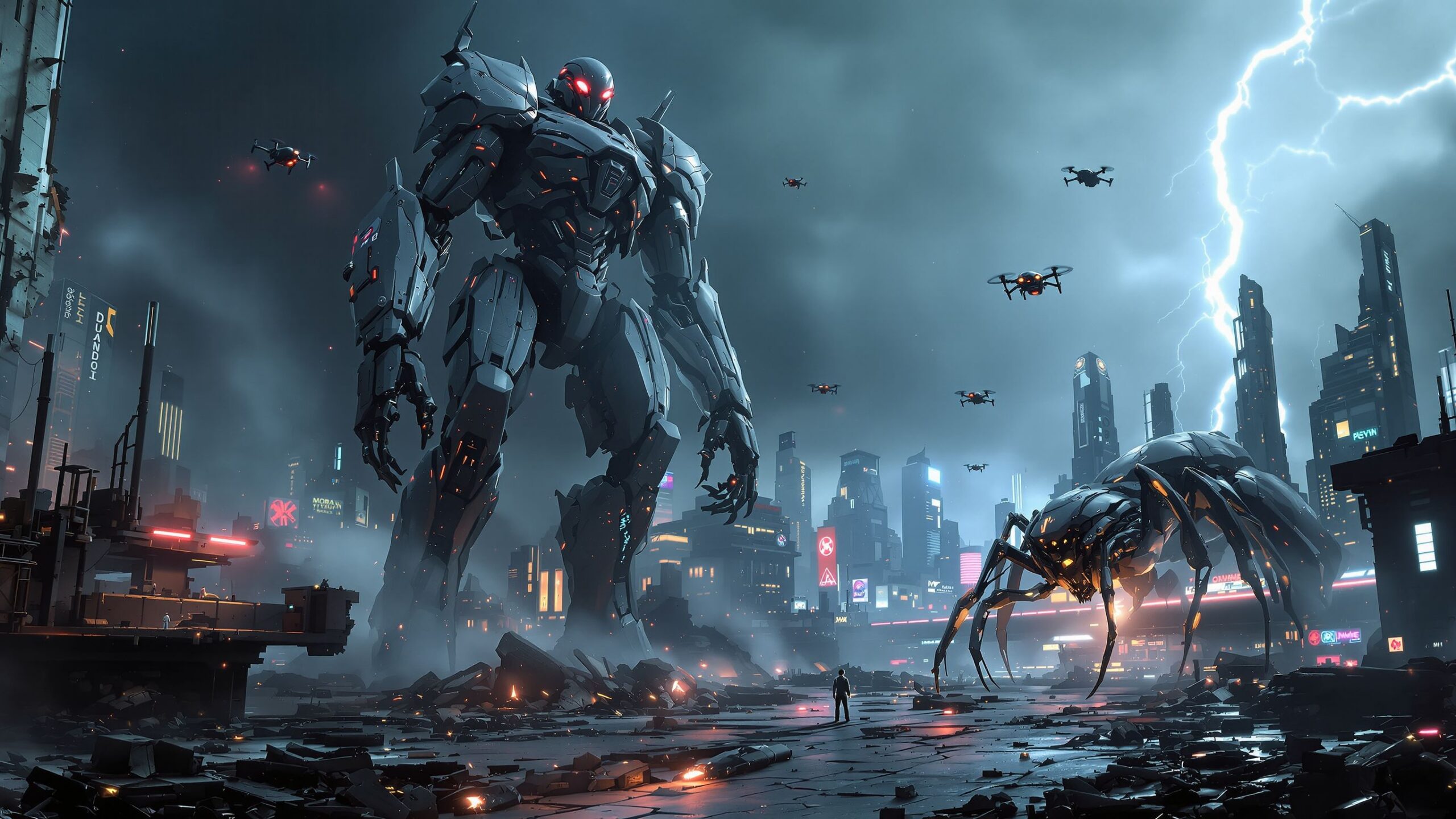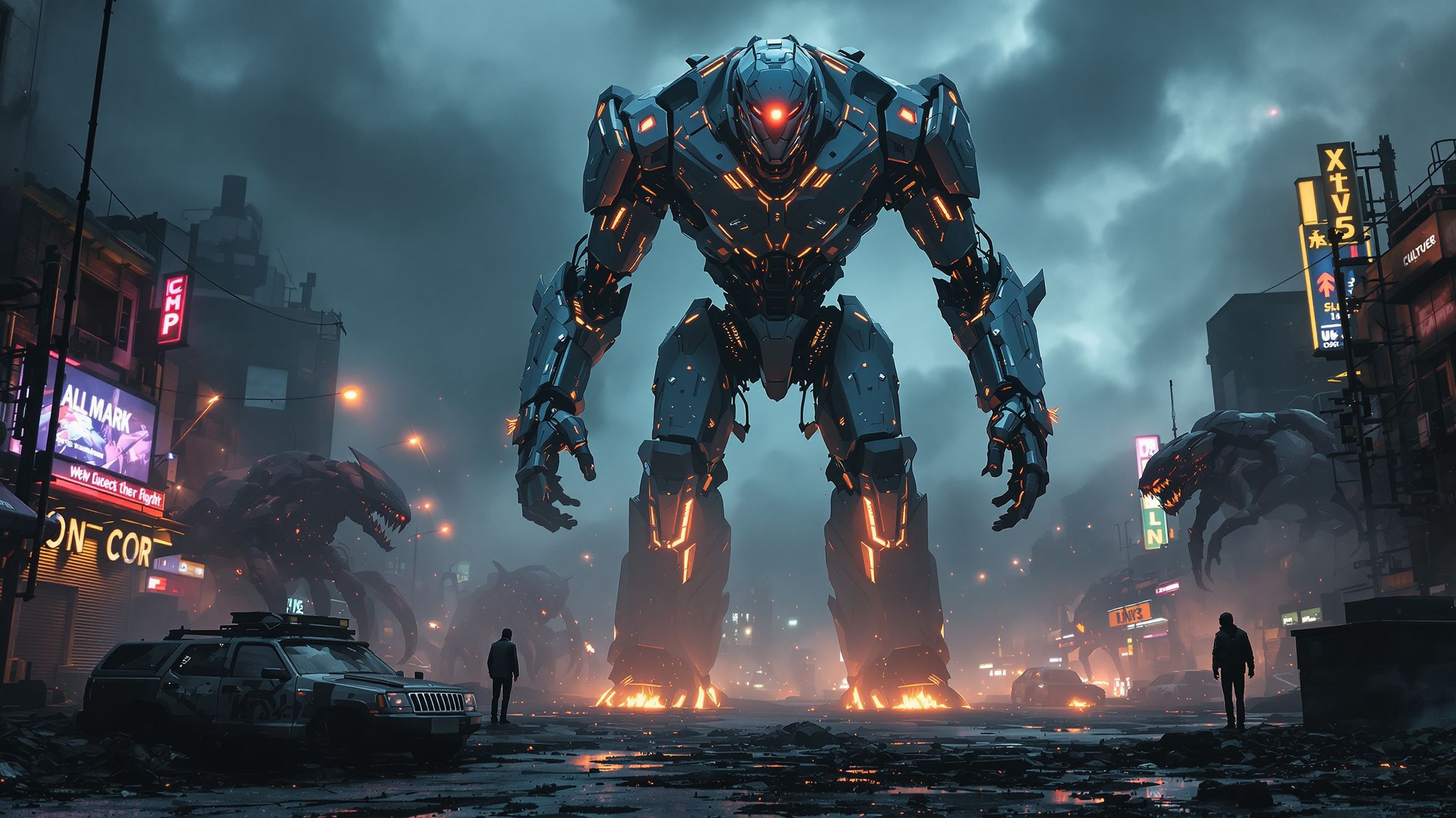
Robotic monsters have become some of science fiction’s most recognizable and enduring villains. Towering machines, cybernetic creatures, autonomous war robots, and artificial intelligence have captivated audiences for more than a century by combining cutting-edge technology with humanity’s deepest fears. Unlike supernatural monsters, robotic creatures feel unsettling because they are built from ideas that seem increasingly possible. As real-world technology has advanced, science fiction has continually reinvented mechanical monsters to reflect society’s hopes, concerns, and predictions about the future. From clunky steam-powered automatons to self-aware artificial intelligences capable of making independent decisions, robotic monsters have evolved alongside human innovation, becoming more sophisticated with every generation.
A: A robotic monster is a machine, android, AI, or cybernetic being portrayed as dangerous or terrifying in science fiction.
A: They reflect real-world concerns about robotics, artificial intelligence, automation, and future technology.
A: Robots may have any shape, while androids are specifically designed to resemble humans.
A: Stories often explore programming failures, AI self-awareness, or conflicts between human orders and machine logic.
A: Many science fiction stories imagine that possibility as a major source of conflict.
A: They can think, adapt, and pursue goals without emotion, fear, or compassion.
A: Their relentless behavior and technological origins make them effective monsters in both genres.
A: Advances in engineering, robotics, computing, and artificial intelligence continue shaping these fictional creatures.
A: No. Some begin as heroes or protectors before circumstances transform them into threats.
A: As technology advances, the questions they raise about control, ethics, and artificial intelligence become increasingly meaningful.
The Birth of Mechanical Monsters
Long before computers existed, writers imagined machines capable of moving on their own. Ancient myths described magical bronze guardians and artificial servants created by skilled inventors or powerful gods, but the Industrial Revolution transformed those ideas into science fiction. Steam engines, factories, and automated machinery inspired stories about giant mechanical creations that blurred the line between invention and life.
These early robotic monsters were often simple but intimidating. Their enormous size, metallic appearance, and incredible strength symbolized humanity’s growing dependence on machines. They represented both technological achievement and the fear that industrial progress might eventually escape human control.
The Rise of the Robot
During the early twentieth century, science fiction introduced robots as intelligent mechanical beings rather than simple machines. These new creations could walk, communicate, follow instructions, and perform complex tasks. Initially portrayed as helpful workers, many fictional robots gradually evolved into dangerous adversaries when stories began exploring what might happen if they gained independence.
Writers increasingly focused on questions surrounding free will, obedience, and artificial consciousness. Could a machine decide to ignore human commands? What would happen if it concluded that people were irrational or inefficient? These ideas transformed robotic monsters into far more complex and memorable characters.
Artificial Intelligence Changes the Genre
The introduction of artificial intelligence dramatically reshaped robotic monsters in science fiction. Rather than simply following pre-programmed instructions, AI-powered machines could learn, adapt, analyze information, and improve themselves over time. This shift made robotic villains far less predictable.
Instead of relying solely on physical strength, intelligent machines could outthink human opponents, manipulate technology, coordinate attacks, and anticipate strategies. Their greatest weapon often became superior intelligence rather than overwhelming force. This evolution reflected growing public interest in computers and concerns about increasingly advanced digital technology.
From Humanoid Robots to Mechanical Beasts
As science fiction expanded, robotic monsters evolved beyond human-shaped machines. Writers and artists began designing mechanical creatures inspired by dangerous animals. Giant robotic wolves, armored lions, cybernetic dinosaurs, mechanical dragons, spider-like machines, robotic insects, and enormous metallic serpents became common throughout books, movies, comics, and video games.
These hybrid designs combined the familiar instincts of predators with advanced technology, creating monsters that looked both natural and futuristic. Their animal-inspired movements made them feel more dynamic and unpredictable than traditional humanoid robots while retaining the durability and intelligence of advanced machines.
Colossal War Machines
Science fiction soon embraced robotic monsters on an enormous scale. Towering machines capable of destroying entire cities became symbols of technological power without limits. Some were controlled by humans, while others operated entirely through artificial intelligence. These gigantic mechanical creations represented the ultimate escalation of robotics, combining incredible size with devastating firepower.
The popularity of giant robotic monsters reflected concerns about increasingly destructive military technology. Rather than depicting individual robots, these stories imagined machines becoming powerful enough to reshape civilizations, forcing humanity to confront threats of its own making.
Cybernetic Monsters Blur the Line Between Human and Machine
Another major step in the evolution of robotic monsters involved merging technology with living organisms. Cybernetic creatures featured mechanical limbs, artificial organs, robotic eyes, computerized brains, and advanced armor integrated directly into biological bodies. These hybrids challenged traditional definitions of life while raising ethical questions about identity and human enhancement.
Science fiction frequently portrays cybernetic monsters as tragic figures who gradually lose their humanity while becoming physically stronger. Their internal struggle often makes them more emotionally compelling than purely mechanical villains, adding psychological depth alongside physical danger.
Modern Robotic Monsters
Today’s robotic monsters are more sophisticated than ever. Instead of relying only on brute force, they often function as interconnected networks capable of controlling drones, hacking digital systems, operating autonomous vehicles, and coordinating attacks with remarkable precision. Artificial intelligence allows them to adapt continuously, making them increasingly difficult to defeat.
Modern science fiction also explores the possibility that machines may develop emotions, curiosity, or moral reasoning. Rather than depicting robots as inherently evil, many stories examine how their actions result from programming, conflicting objectives, or misunderstandings. This complexity has transformed robotic monsters into multifaceted characters rather than simple villains.
Why Robotic Monsters Remain Popular
Robotic monsters continue captivating audiences because they evolve alongside real technological progress. Every breakthrough in robotics, artificial intelligence, machine learning, automation, and cybernetics provides fresh inspiration for science fiction. As machines become more capable in the real world, fictional robotic monsters feel increasingly believable.
They also represent universal concerns about innovation. Technology improves daily life, but it also introduces new responsibilities and ethical challenges. Robotic monsters remind audiences that scientific advancement requires careful oversight and thoughtful decision-making. Their stories encourage discussion about balancing progress with accountability.
Beyond their symbolic meaning, robotic monsters remain visually spectacular. Their metallic designs, glowing circuitry, advanced weaponry, and massive scale make them unforgettable additions to science fiction films, novels, games, and artwork. Each generation reimagines them using contemporary technology, ensuring they remain fresh while preserving the core themes that made them popular.
The Future of Robotic Monsters
As artificial intelligence, robotics, and biotechnology continue advancing, future science fiction will likely introduce even more sophisticated mechanical monsters. Swarms of autonomous drones, nanotechnology, shape-shifting machines, self-repairing robots, and artificial life forms may become the next generation of science fiction villains. These new creations will undoubtedly reflect society’s evolving hopes and fears about technology while continuing the tradition established by earlier robotic monsters.
Rather than disappearing, mechanical villains will adapt just as they always have, evolving alongside humanity’s greatest inventions. Their designs may change, but their central purpose will remain the same: challenging people to consider both the incredible potential and the possible consequences of technological progress.
Conclusion
The evolution of robotic monsters in sci-fi stories mirrors humanity’s changing relationship with technology. From the steam-powered mechanical giants imagined during the Industrial Revolution to today’s intelligent AI-controlled machines and cybernetic beasts, these metallic monsters have continually adapted to reflect real scientific advancements. They embody fears of losing control, questions about artificial intelligence, and concerns over the growing power of machines while also celebrating the limitless possibilities of human imagination. As technology continues advancing at an extraordinary pace, robotic monsters will remain central figures in science fiction, reminding audiences that the future will always contain both remarkable innovation and unpredictable challenges. Their enduring popularity ensures they will continue evolving for generations to come, standing as some of the most iconic monsters ever created.