Horror stories have fascinated humanity for centuries, tapping into deep fears about death, the unknown, and the supernatural. Across literature, folklore, and film, certain creatures have risen above the rest to become legendary icons of fear. These classic monsters have haunted nightmares, inspired countless films, and shaped the horror genre into what it is today. Their enduring power lies not only in their terrifying appearances but in the psychological and cultural themes they represent—loneliness, transformation, immortality, and humanity’s darker impulses. From shadowy castles and fog-covered graveyards to ancient tombs and cursed laboratories, classic monsters emerged during the golden age of horror storytelling. Many of these creatures originated in 19th-century Gothic literature before being immortalized by early cinema, particularly during the 1930s and 1940s when horror films flourished. Studios like Universal Pictures introduced audiences to unforgettable monsters that became cultural icons, influencing generations of filmmakers, writers, and artists. Even today, these creatures continue to evolve. They appear in modern films, television series, novels, video games, haunted attractions, and Halloween celebrations worldwide. Their stories are retold again and again because they represent timeless fears and universal themes that never truly disappear. Understanding these classic monsters offers a fascinating look into the origins of horror storytelling and why certain creatures continue to captivate our imagination. The following legendary figures represent some of the most famous classic monsters in horror history. Each one has left a permanent mark on the genre and continues to shape how we experience fear in storytelling.
A: Dracula is often considered the most famous because he shaped the modern vampire image worldwide.
A: Technically Frankenstein is the scientist, while the creature is Frankenstein’s Monster.
A: They represent timeless fears like death, isolation, loss of control, and the unknown.
A: Not always; many are tragic, misunderstood, cursed, or driven by pain rather than pure malice.
A: Long-lasting cultural impact, instantly recognizable design, and a major role in horror history.
A: Frankenstein’s Monster is often seen as the most sympathetic because his violence grows from rejection and loneliness.
A: Many did, including Dracula, Frankenstein, and The Invisible Man.
A: Castles, ruins, graveyards, and foggy streets amplify dread, mystery, and old-world legend.
A: Often yes; they rely heavily on mood, symbolism, suspense, and emotional fear.
A: Dracula, Frankenstein’s Monster, and the Wolfman each transformed horror in lasting ways through story, design, and influence.
Dracula: The Eternal Vampire
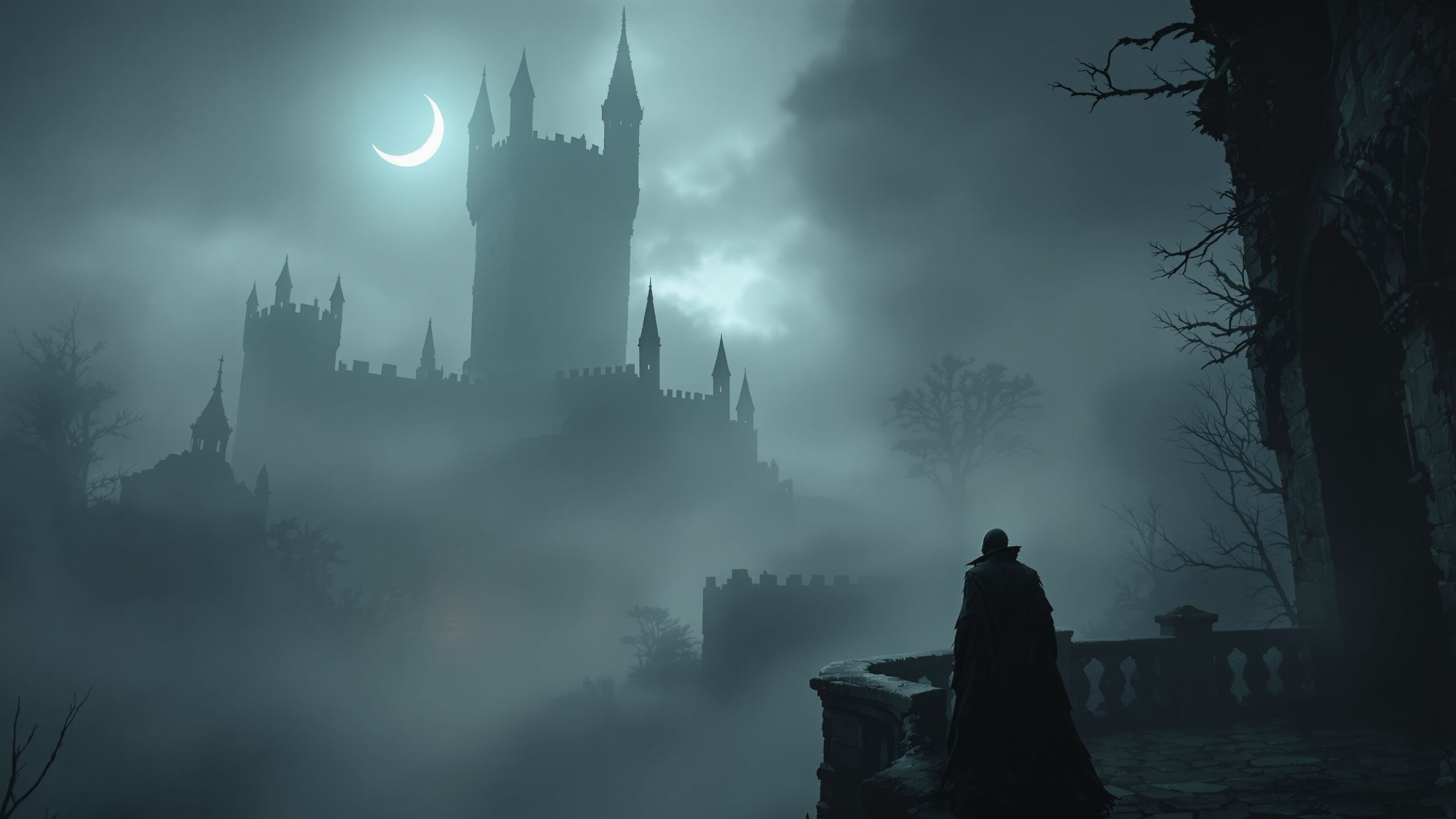
Few monsters are as recognizable as Dracula, the aristocratic vampire who embodies both seduction and terror. The character was popularized by Bram Stoker’s 1897 novel Dracula, which introduced readers to the mysterious Count living in a remote Transylvanian castle. Stoker’s creation blended Eastern European folklore with Gothic storytelling, producing a villain who could charm his victims before draining their blood and transforming them into undead servants.
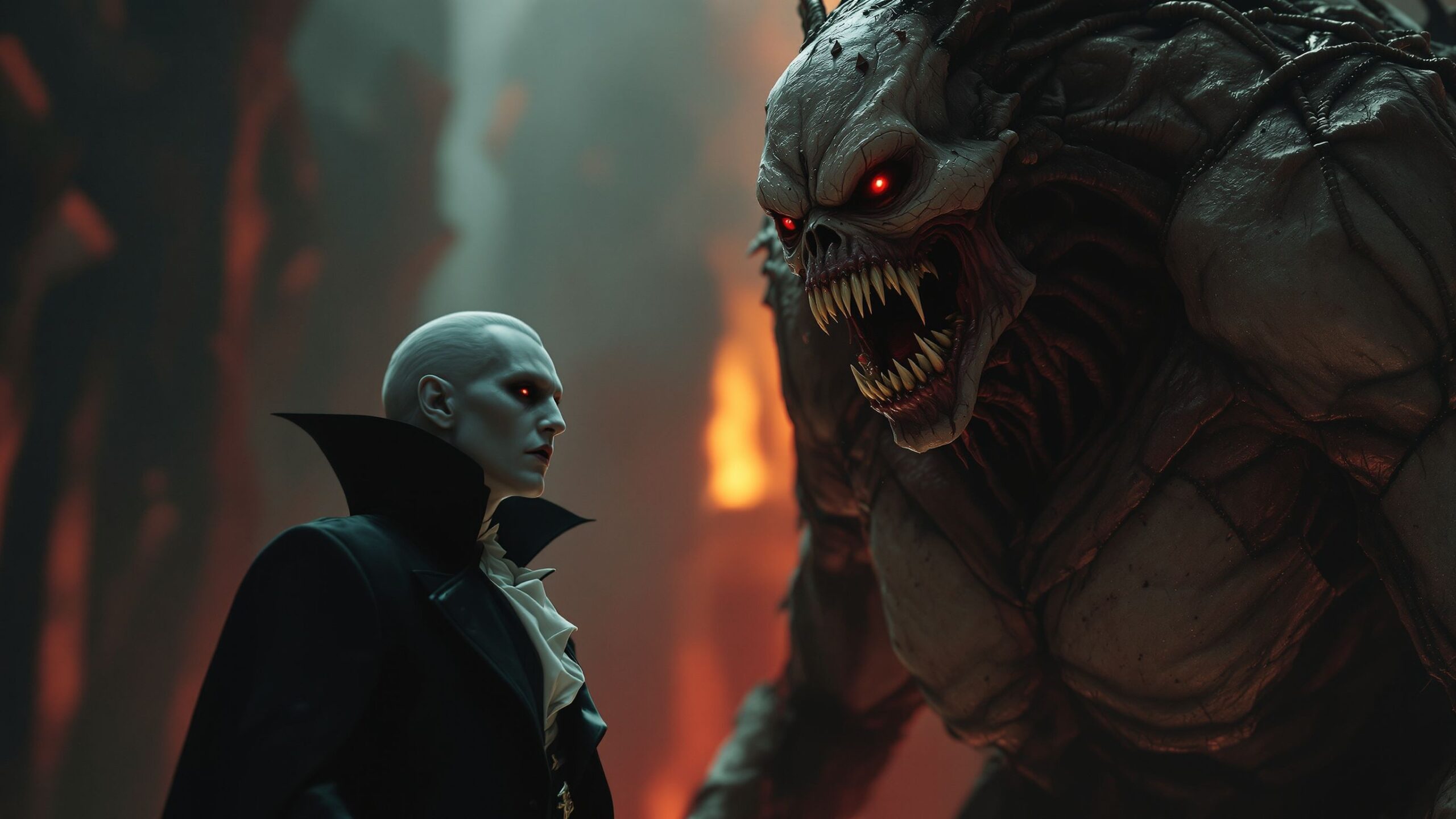
Dracula’s influence expanded dramatically with early film adaptations, especially the 1931 horror classic starring Bela Lugosi. Lugosi’s portrayal defined the image of the vampire for generations: pale skin, hypnotic eyes, a flowing cape, and a haunting Eastern European accent. This portrayal cemented Dracula as both a monster and a strangely elegant figure.
What makes Dracula such a powerful horror icon is the symbolic meaning behind the vampire myth. The creature represents forbidden desire, immortality, and the fear of losing control to dark instincts. Unlike many monsters, Dracula is intelligent and manipulative, making him even more terrifying. His ability to transform into mist, bats, or wolves adds an otherworldly dimension that keeps audiences fascinated.
Over the decades, Dracula has appeared in countless films, television shows, books, and games, constantly reinvented for new generations while maintaining the eerie charisma that made him legendary.
Frankenstein’s Monster: The Tragic Creation
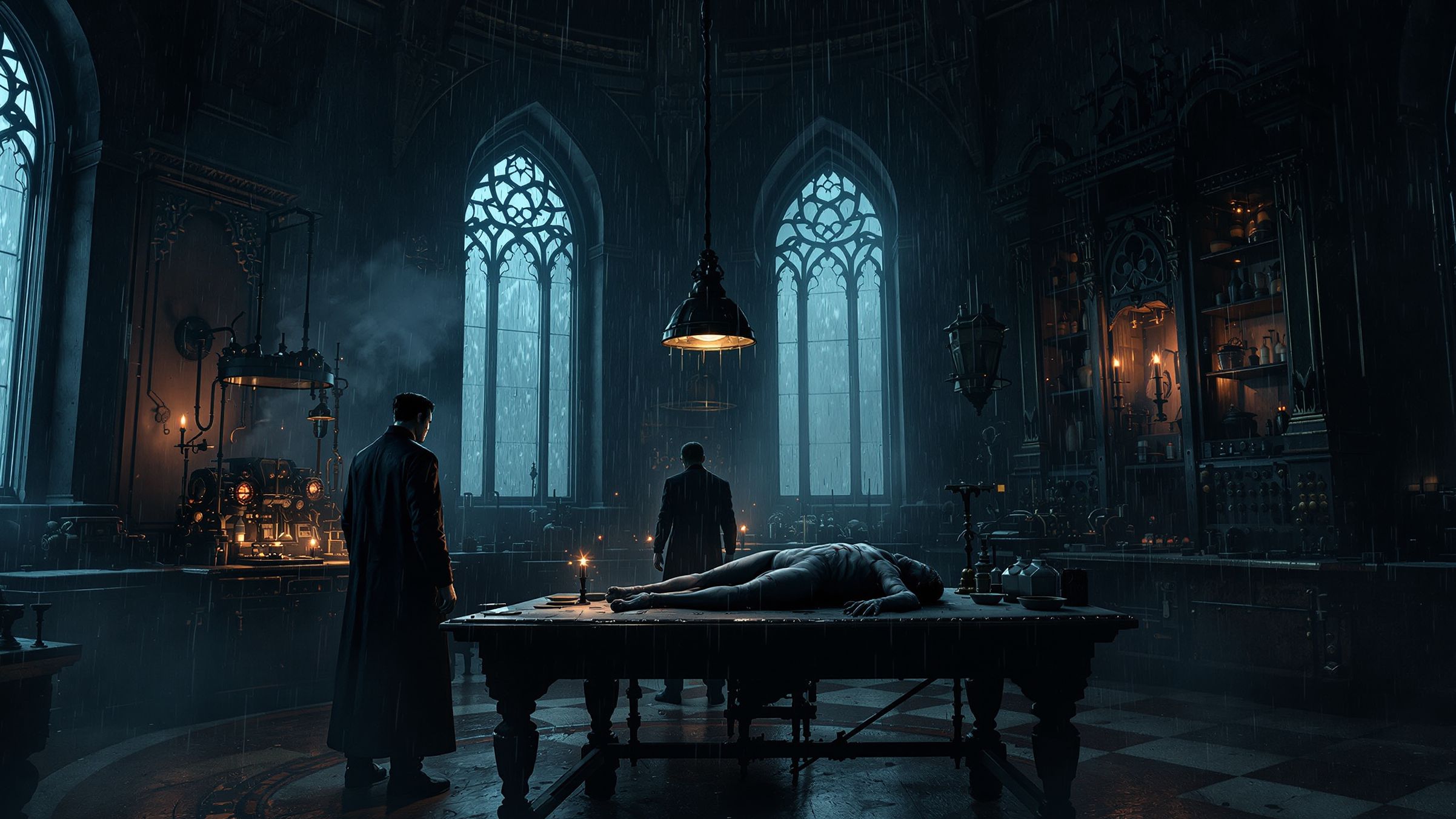
Another towering figure in horror history is Frankenstein’s monster, first introduced in Mary Shelley’s groundbreaking 1818 novel Frankenstein; or, The Modern Prometheus. The story follows Victor Frankenstein, a scientist who assembles a living being from body parts and brings it to life through experimental science. However, the creature is rejected by its creator and society, leading to a tragic spiral of loneliness and revenge.
Unlike many monsters, Frankenstein’s creature is not inherently evil. Instead, the character represents the consequences of human ambition and scientific hubris. Shelley’s novel explores deep philosophical questions about responsibility, morality, and the dangers of playing god.
The monster’s iconic look became widely known through the 1931 film adaptation starring Boris Karloff. With its flat head, neck bolts, and towering presence, this visual design became one of the most recognizable monster images in cinema history.
What makes Frankenstein’s monster so enduring is its emotional depth. Beneath the frightening exterior lies a creature desperate for acceptance and understanding. This tragic element transforms the story from simple horror into a profound meditation on humanity and compassion.
The Werewolf: Humanity’s Beast Within
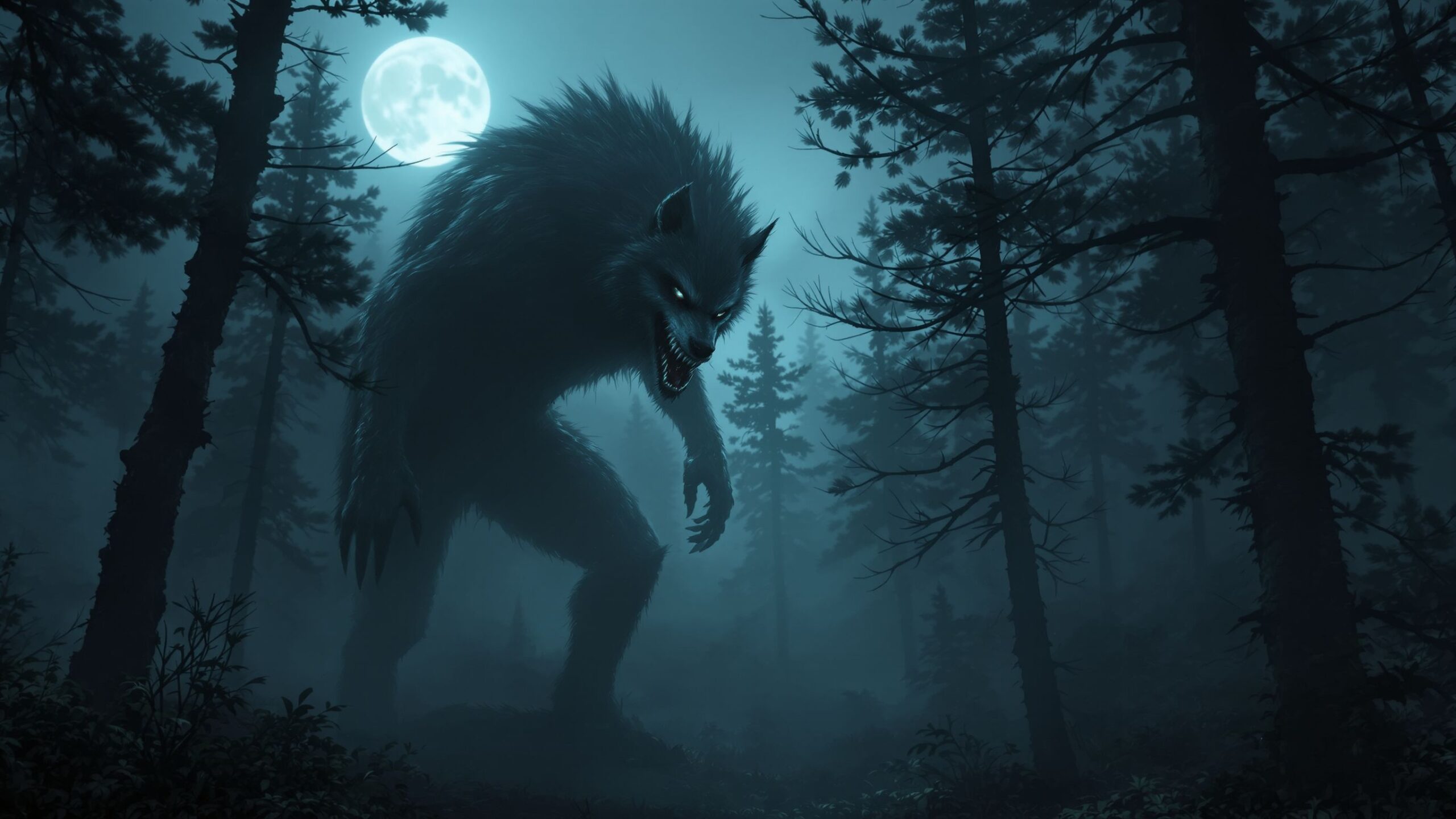
The werewolf represents one of the oldest and most primal fears in mythology: the transformation from human to beast. Legends of people turning into wolves date back thousands of years and appear in cultures around the world. However, the modern image of the werewolf became firmly established in early horror cinema.
The 1941 film The Wolf Man, starring Lon Chaney Jr., helped define the creature’s cinematic identity. In the film, a cursed man transforms into a wolf-like monster during the full moon, losing control over his actions and attacking innocent victims.
The werewolf myth is particularly powerful because it symbolizes the hidden animal instincts within humanity. Unlike vampires or ghosts, the werewolf begins as an ordinary person who becomes a monster against their will. This tragic transformation highlights themes of loss of control, internal conflict, and the fear of becoming something monstrous.
The visual transformation scenes in werewolf films became a hallmark of horror filmmaking, showcasing groundbreaking special effects and makeup techniques. Today, werewolves continue to appear in modern horror stories, often reinterpreted with new mythology while maintaining their connection to ancient folklore.
The Mummy: Curses from Ancient Tombs
The mummy monster draws its terror from the mysterious world of ancient Egypt. During the early 20th century, Western fascination with Egyptian archaeology reached new heights following the discovery of King Tutankhamun’s tomb in 1922. Stories about cursed tombs and resurrected pharaohs quickly captured the public imagination.
The 1932 film The Mummy, starring Boris Karloff, introduced audiences to Imhotep, an ancient priest brought back to life after thousands of years. Driven by love and vengeance, the resurrected mummy searches for his lost princess while spreading terror wherever he goes.
Unlike other monsters, the mummy’s horror lies in its connection to ancient curses and forbidden knowledge. The creature embodies the fear of disturbing the dead and awakening forces that should remain buried. Wrapped in decaying bandages and moving slowly yet relentlessly, the mummy became a symbol of ancient revenge rising from the past.
Over time, the mummy evolved from a slow-moving horror figure into a more dynamic action monster in modern films. However, the original eerie atmosphere of ancient tombs and supernatural curses continues to influence horror storytelling today.
The Invisible Man: Terror You Cannot See
The Invisible Man stands apart from other classic monsters because his power lies not in supernatural transformation but in dangerous scientific experimentation. The character was introduced in H.G. Wells’ 1897 novel The Invisible Man, which tells the story of a scientist who discovers how to make himself invisible but gradually descends into madness.
The 1933 film adaptation brought the character to life with groundbreaking visual effects that stunned audiences. Objects moving on their own, floating clothing, and unseen footsteps created a chilling sense of paranoia and suspense.
What makes the Invisible Man particularly disturbing is the psychological horror behind the story. The character begins as a brilliant scientist but becomes increasingly unhinged as the power of invisibility corrupts him. Without the ability to be seen or held accountable, he embraces chaos and violence.
The story explores themes of power, isolation, and the dangers of unchecked ambition. It remains one of the most intellectually intriguing monster tales ever told.
The Creature from the Black Lagoon: Terror from the Depths
In the 1950s, horror cinema expanded beyond Gothic castles and ancient curses into the mysterious depths of nature. One of the most iconic monsters from this era is the Creature from the Black Lagoon, introduced in the 1954 film of the same name.
The creature, often called the Gill-Man, is an amphibious humanoid living in a remote Amazon lagoon. When scientists discover the creature’s habitat, they unknowingly provoke a deadly confrontation between humanity and the ancient predator.
The Gill-Man represents the fear of unexplored environments and unknown life forms hidden in the natural world. Unlike many monsters created through science or curses, the Creature from the Black Lagoon is a surviving relic from Earth’s prehistoric past.
The design of the creature suit was revolutionary at the time and remains one of the most impressive practical effects in classic horror cinema. Its haunting underwater scenes created a sense of eerie beauty mixed with primal terror.
The Phantom of the Opera: Horror Beneath the Mask
While not always considered a traditional monster, the Phantom of the Opera remains one of the most haunting figures in horror history. First introduced in Gaston Leroux’s 1910 novel, the Phantom is a disfigured musical genius living beneath the Paris Opera House.
Hidden behind a mask to conceal his deformity, the Phantom becomes obsessed with a young opera singer, guiding her career while manipulating events within the theater. His tragic story blends romance, obsession, and psychological horror.
The character gained widespread fame through the 1925 silent film starring Lon Chaney, whose terrifying makeup shocked audiences. Chaney’s skeletal face beneath the mask became one of the most memorable images in early horror cinema.
The Phantom represents themes of rejection, isolation, and the human longing for love and acceptance. His story demonstrates how tragedy and loneliness can transform a brilliant mind into something monstrous.
Why Classic Monsters Still Matter
Classic monsters continue to dominate the horror genre because they embody universal fears that remain relevant today. Whether representing forbidden knowledge, uncontrollable instincts, ancient curses, or social rejection, these creatures reflect deep anxieties about the human condition.
Modern horror films still draw inspiration from these legendary figures. Vampires, werewolves, mummies, and mad scientists appear in countless variations, each reinterpretation adding new layers to timeless myths. Even contemporary monster stories often borrow elements from these classic archetypes.
Beyond entertainment, these monsters serve as cultural mirrors. They reflect the fears of the time in which they were created. During periods of scientific advancement, stories like Frankenstein and The Invisible Man warned about unchecked experimentation. During times of social upheaval, monsters symbolized anxiety about change and the unknown.
The Legacy of Horror’s Greatest Monsters
The legacy of classic monsters extends far beyond old horror films. These creatures have shaped the foundations of the entire horror genre, influencing literature, cinema, art, and popular culture. They appear in Halloween traditions, theme parks, haunted attractions, comic books, and video games around the world.
More importantly, these monsters remind us that fear is one of the most powerful storytelling tools ever created. Through horror, audiences explore the darker corners of imagination in a safe environment, confronting the unknown through stories that thrill and terrify.
As long as people continue to tell stories about the supernatural, these classic monsters will never truly disappear. They remain timeless symbols of mystery, fear, and fascination—eternal figures standing in the shadows of horror history.