Why Famous Curses Still Hold Attention
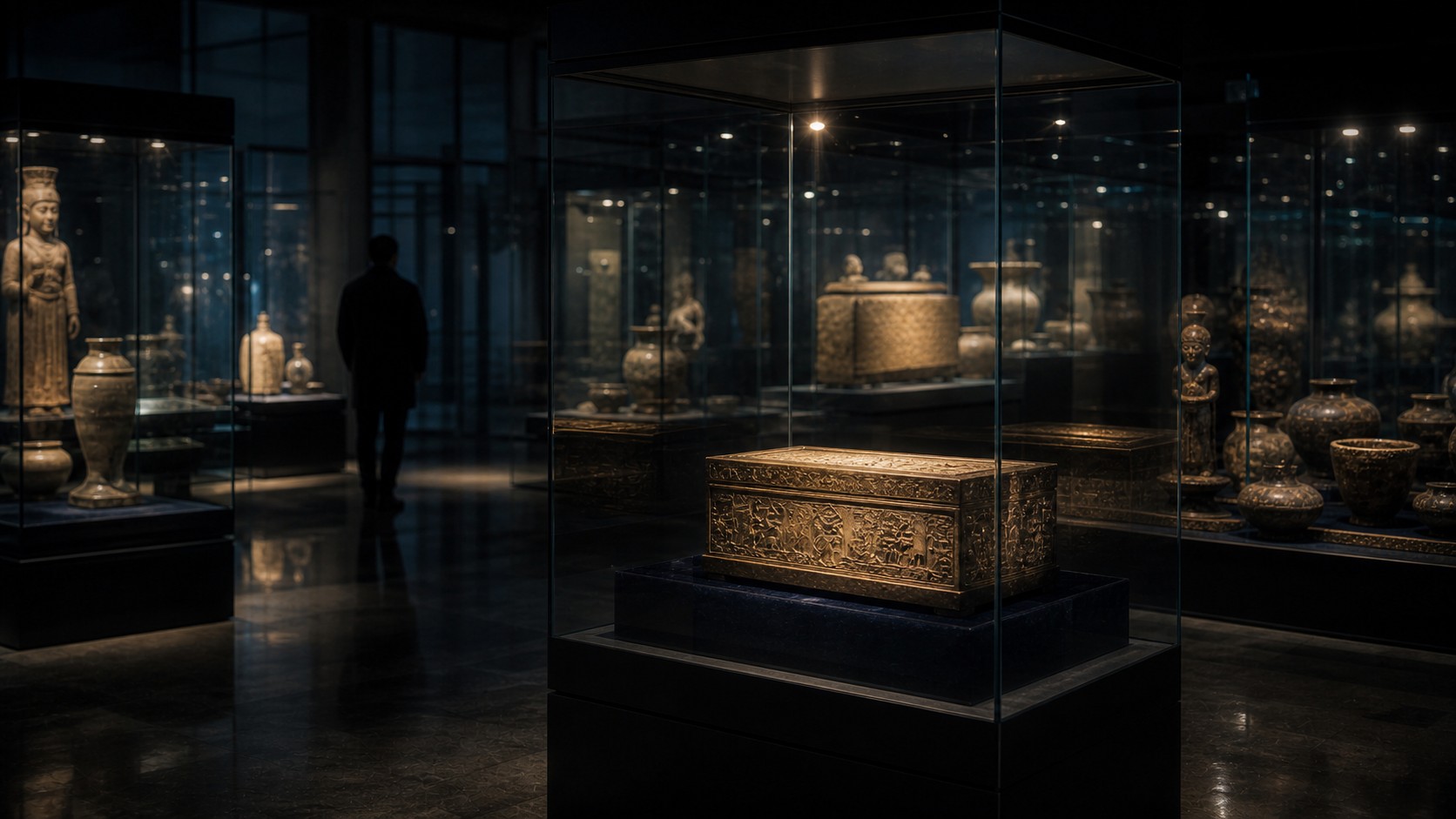
Famous curses that still fascinate people today survive because they sit between history and story. They usually begin with something concrete: a tomb, jewel, painting, family, road, theater, ship, house, relic, or object with a troubled reputation. Then misfortune gathers around it. A death, accident, illness, financial collapse, public scandal, or strange coincidence becomes part of the pattern. Once people begin connecting those events, the curse becomes more than a claim. It becomes a way of remembering. That is why famous curses can hold attention even among people who do not literally believe in them. The curse gives scattered events a center and turns uncertainty into narrative. It also raises moral questions. Was the tomb disturbed? Was the object stolen? Was a family punished for an old offense? Was a place marked by violence? Was history treated too casually? These questions make the legend feel meaningful. The danger is that meaning can outrun evidence. A famous curse may preserve real guilt or discomfort, but it can also simplify tragedy and ignore ordinary causes. Its fascination comes from that tension. People are drawn to the possibility that the past still answers back, even while they suspect that storytelling has arranged the evidence into a cleaner shape than reality allows. Famous curses also fascinate people because they create a special kind of historical suspense. Ordinary history often asks what happened and why. A curse story asks whether something should have been touched at all. That moral question changes the mood. A discovered tomb becomes more than an archaeological site. A jewel becomes more than a luxury object. A painting becomes more than art. A family tragedy becomes more than biography. The curse makes each subject feel unfinished, as if some part of the past is still negotiating with the present. This unfinished quality gives famous curses unusual staying power. New audiences can inherit the story without needing new evidence. They only need the old question to remain emotionally alive. Was the object stolen? Was a warning ignored? Did greed invite disaster? Did fame distort the facts? Did a tragic pattern reveal hidden consequence, or did people impose a pattern because randomness felt unbearable? These questions make the legend flexible. Skeptics can discuss probability, historians can discuss context, and casual readers can still feel the atmosphere. The curse survives because it offers several kinds of fascination at once. There is also a strong visual element. Famous curse stories often come with images people can hold in mind: a glass case glowing in a dark gallery, a sealed chamber opened after centuries, a portrait with a fixed stare, a road at night, a glittering stone in a locked box, a theater stage left empty after an accident. These images help the story travel. A complicated chain of events becomes anchored to a single scene. That scene may be more memorable than the facts, which is why responsible retelling matters. The atmosphere should not be allowed to erase evidence. The continuing appeal of famous curses says something about how people relate to the past. We want history to be meaningful, but we also fear what meaning might imply. If disrespect has consequences, then objects and places demand care. If tragedy has a pattern, then coincidence may not be as innocent as it seems. If the curse is only a story, then the story still reveals what audiences felt guilty, curious, or afraid about. This is why famous curses remain compelling even in skeptical times. They let people stand at the edge of belief and analysis, feeling the pull of both. Modern fascination is also fueled by the way famous curses let people enjoy mystery while debating evidence. A curse story can be told around a dinner table, in a museum caption, on a documentary, or in a podcast, and each setting changes the emphasis. One version stresses atmosphere. Another stresses skepticism. Another stresses colonial removal, family tragedy, or media exaggeration. The same curse can therefore serve several audiences at once. That flexibility keeps it alive. It also means famous curses often reveal as much about the people retelling them as about the object or event at the center. A culture worried about exploitation may hear guilt in the curse. A culture fascinated by wealth may focus on jewels and inheritance. A culture anxious about science disturbing sacred places may return to tomb warnings. The curse becomes a flexible container for modern unease. This is why the stories should not be dismissed too quickly. Even when the supernatural explanation fails, the legend may still carry a valid discomfort about how people handle the dead, collect artifacts, profit from tragedy, or turn history into entertainment. The fascination remains because the curse asks a question that evidence alone does not fully settle: what kind of respect does the past require from the living? Famous curses also remind us that skepticism and wonder do not have to cancel each other. A reader can question the evidence and still feel the pull of the story. That tension is part of mature curiosity. The goal is not to strip every legend down until it becomes dull, or to believe every dramatic coincidence because it feels meaningful. The better response is to ask why the meaning was attractive in the first place. A curse that gathers around a tomb, heirloom, road, or museum case may reveal anxiety about ownership, death, luck, memory, and consequence. Those themes remain alive even when the supernatural claim is uncertain. The continuing fascination also depends on repetition. Each generation retells famous curses in the style of its own fears. Earlier audiences may have emphasized divine punishment or aristocratic downfall. Later audiences may focus on museums, media sensationalism, colonial collecting, unsafe exploration, or the psychology of coincidence. The curse changes because the questions around it change. That adaptability keeps famous legends from becoming static antiques. They remain active stories, used again and again to test how people feel about risk, respect, ownership, and the possibility that actions can echo longer than expected. In that sense, a famous curse is less a fixed claim than a cultural conversation with a shadow over it. That shadow is the point. Famous curses endure because they let people feel that history still has unfinished business, while also giving them room to question whether the pattern is real or imagined. The fascination lives in the uncertainty between those answers. People return to these stories because they dramatize a question that never fully goes away: whether the past can make demands on the present, and whether ignoring those demands carries a cost that arrives later than anyone expects, long after the original choice seems finished and forgotten by everyone who heard the warning too late to matter afterward.
The Pull of a Recognizable Object
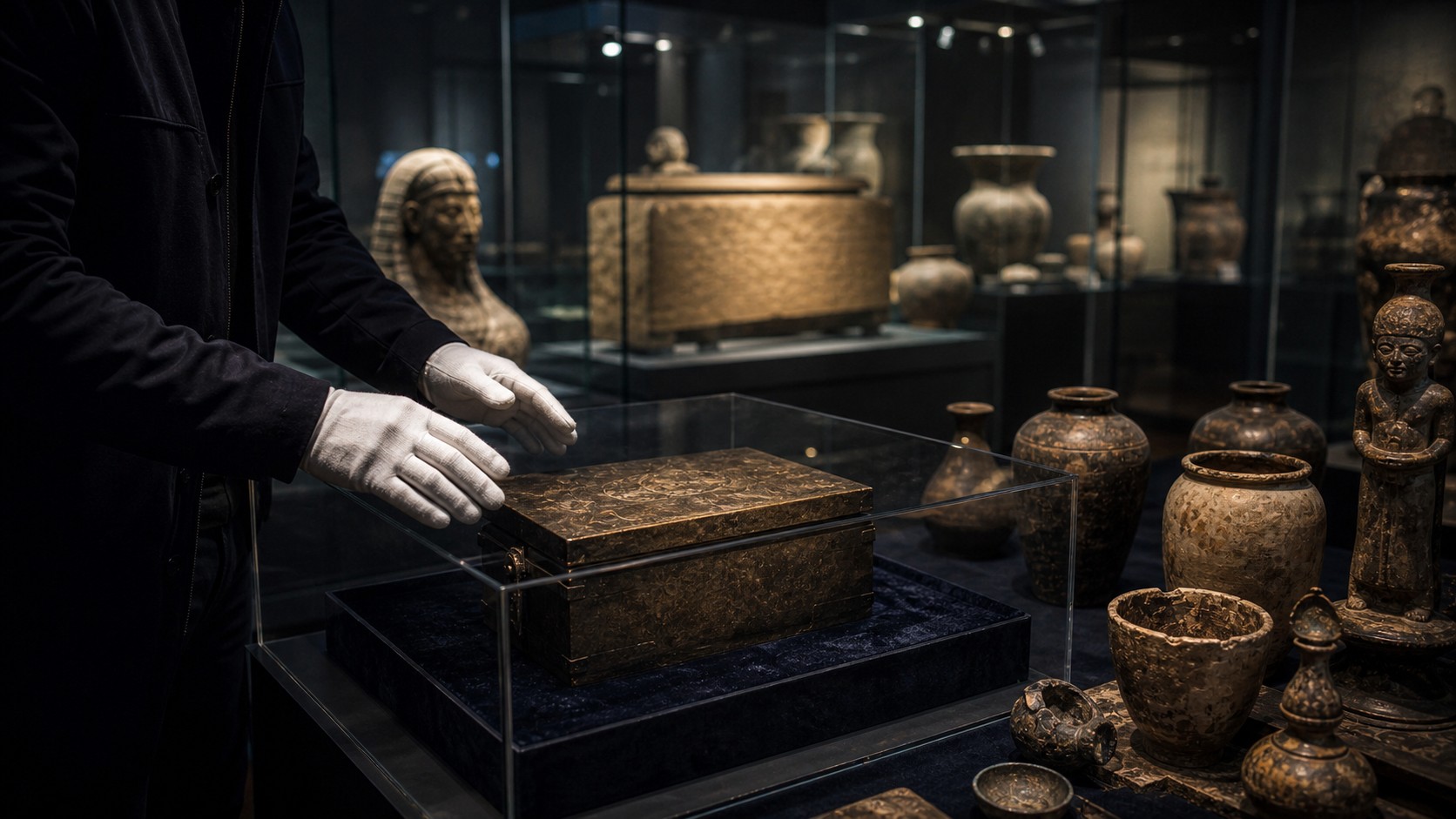
Famous curses often attach to objects because objects can be seen, displayed, photographed, sold, inherited, and moved. A cursed jewel, relic, painting, mummy case, manuscript, or artifact gives the public a focal point. Fear becomes easier to imagine when it has a physical address.
The object also seems to carry memory. Even skeptical viewers may feel that an old object has passed through too many hands to be emotionally neutral. If its history includes theft, burial, violence, or sacred use, a curse story can make that history feel active.
This is why museums, auctions, estates, and collections appear so often in curse legends. They place the object in public view while leaving questions about where it came from and whether it belongs there.
Tombs and the Fear of Disturbance
Tomb curses remain famous because they combine death, wealth, secrecy, and trespass. A sealed burial place already feels serious before any legend is added. Opening it can be interpreted as discovery, violation, scholarship, theft, or spectacle depending on who tells the story.
The curse gives that discomfort a sharp voice. It suggests that the dead are not passive and that respect has consequences. Even when the supernatural claim is doubtful, the ethical unease around disturbance can be real.
Families Under a Shadow
Family curses fascinate people because they turn private tragedy into a visible pattern. Repeated deaths, scandals, illnesses, accidents, or broken fortunes can make a family name feel haunted. The story suggests that inheritance carries more than property.
These legends often become famous when the family is already public. Wealth, power, beauty, political influence, or artistic fame makes each misfortune more visible. The curse becomes a way for outsiders to explain why privilege did not protect the family from suffering.
The risk is that real people become symbols. A family curse can erase personal complexity and turn grief into a plot. Responsible reading remembers that the pattern may be compelling without being fair to those who lived through it.
Places That Accumulate Bad Luck
Some famous curses attach to places: roads, bridges, theaters, battlefields, houses, islands, mines, or ruins. Places gather stories because people return to them. Each new accident or strange report can be added to the local reputation.
A cursed place feels persuasive when the setting already carries danger or sorrow. A battlefield has violence in its past. A theater has public pressure and superstition. A dangerous road has real risk. The curse intensifies what the place already suggests.
Media Turns Rumor Into Fame
Many curses become famous through retelling rather than evidence. Newspapers, books, documentaries, podcasts, films, and online posts compress complicated histories into memorable sequences. A headline can make coincidence look coordinated.
Media attention also creates feedback. Once a curse is famous, later events are more likely to be interpreted through it. A minor accident that would normally disappear may be preserved because it fits the legend.
That does not mean media invents every curse from nothing. It means fame changes the evidence field. The curse becomes a frame that decides which details audiences notice and remember.
Why Skeptics Still Enjoy Curse Stories
Skeptics often enjoy famous curses because the stories operate on more than belief. They are puzzles about causation, memory, ethics, and coincidence. A person can doubt supernatural punishment while still wondering why the legend formed and why it endured.
The atmosphere matters too. Curses bring together old rooms, guarded objects, dramatic warnings, public misfortune, and the unsettling feeling that history has emotional weight. That combination can be compelling without requiring literal acceptance.
The Fascination Beneath the Fear
The deeper fascination is the desire for events to mean something. Random tragedy is hard to bear, and famous curses offer pattern. They say that harm has a source, that disrespect leaves traces, and that the past may not be finished with those who ignore it.
This meaning can be comforting, frightening, or misleading. It can encourage respect for history, but it can also turn coincidence into accusation. Famous curses remain powerful because they balance on that edge.
The best reading lets the story keep its atmosphere while asking careful questions. What happened? What was added later? Whose history is being dramatized? What guilt or anxiety does the curse help people express? Those questions keep fascination from becoming blind belief.