How Curses Become Famous
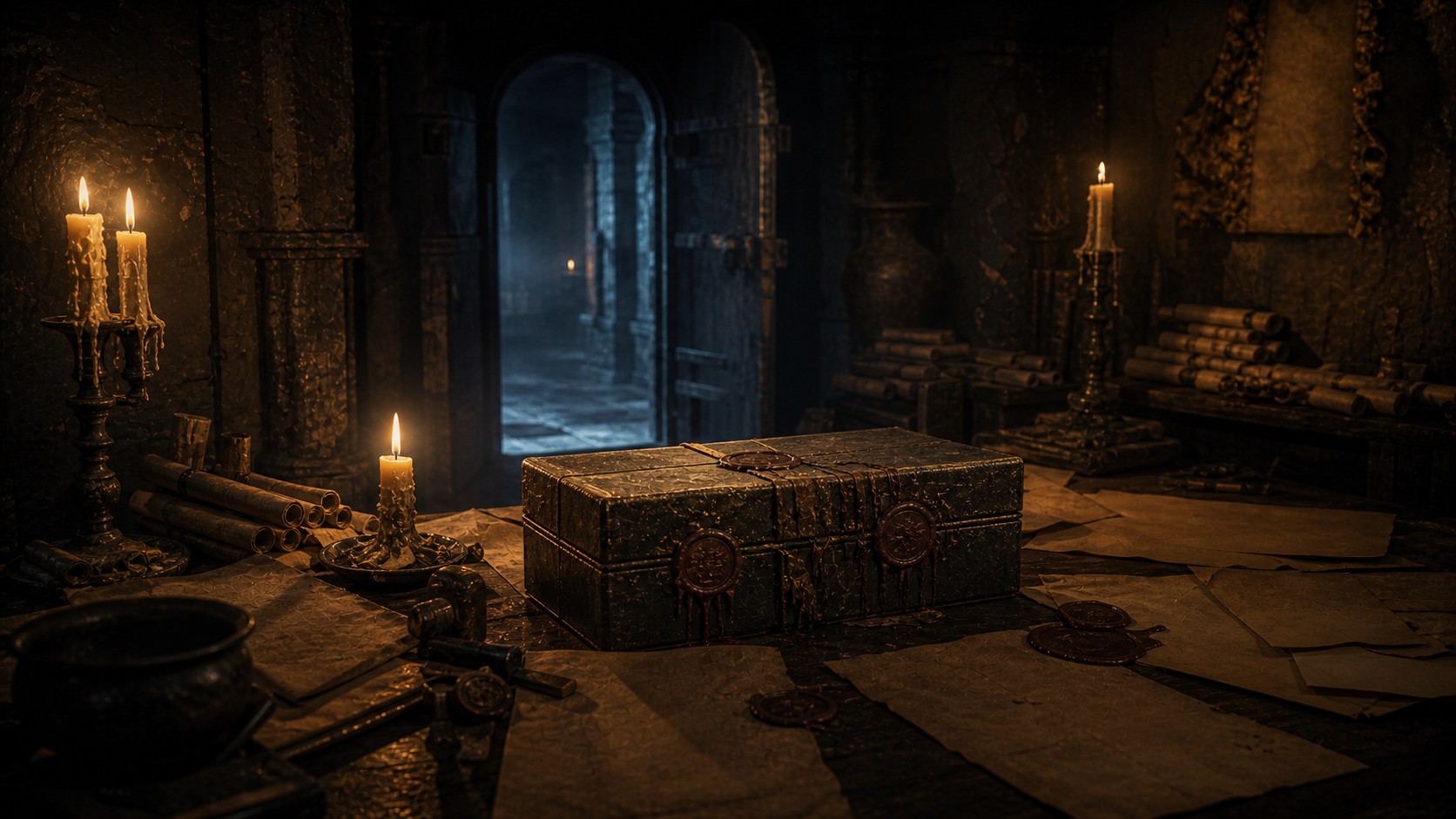
The world's most famous curses and their origins show how misfortune becomes a story with a center. A death, accident, illness, financial ruin, lost expedition, damaged artifact, or troubled family line may be tragic on its own, but it becomes a famous curse when people connect repeated events to a recognizable object, tomb, place, or name. The origin may be ancient, exaggerated, misunderstood, or created after the fact. What matters is the pattern. A famous curse turns coincidence into narrative and makes bad luck feel as if it has a source. Famous curses also reveal how stories transform chance into meaning. Human beings are uncomfortable with random suffering, especially when the suffering clusters around a dramatic object or place. If several people connected to a relic, tomb, family, film set, road, or house experience misfortune, the mind begins asking whether the events belong together. A curse answers yes. It provides a shape that grief and coincidence can inhabit. That shape becomes more persuasive when the supposed origin feels morally charged. A tomb was opened, an object was removed, a promise was broken, a family wrong was never repaired, or a sacred place was treated as entertainment. The curse then becomes more than bad luck. It becomes a story about consequence. Media can intensify this process by selecting the events that fit and ignoring the ones that do not. A person who handled the object and lived quietly for decades may disappear from the legend, while a dramatic accident becomes central. The curse grows through selection. Its origin may also become sharper over time as later tellers add warnings, inscriptions, offended guardians, or early victims. These additions make the legend more satisfying, even when they are historically uncertain. The world's most famous curses endure because they combine mystery, morality, and narrative economy. They ask listeners to wonder whether some objects carry memory, whether some places resist disturbance, and whether misfortune might be more than coincidence. Careful reading does not have to accept the supernatural claim to see why the story became powerful. It only has to recognize the human desire for misfortune to have an origin. The fame of a curse often grows when it sits at the intersection of history and spectacle. A museum object, royal tomb, old family estate, theater, road, or recovered relic already carries atmosphere. Add a few dramatic misfortunes, and the public imagination begins to arrange them into a plot. The curse becomes a way to make history behave like a story with a warning attached. This is especially true when the origin involves disturbance. People are more willing to believe in a curse when someone appears to have crossed a line: opening a sealed chamber, removing a sacred object, profiting from tragedy, or treating the dead as a curiosity. The curse gives that discomfort a supernatural vocabulary. It says that disrespect leaves a mark. Famous curse stories also reveal the power of selective attention. A long chain of uneventful ownership rarely becomes part of the legend, while a single dramatic accident may be repeated for generations. The legend is shaped by what people choose to connect. That does not make it worthless. It makes it a window into how people turn anxiety about history, ownership, death, and luck into a memorable warning. Famous curse stories also depend on timing. If misfortune happens immediately after an object is moved or a tomb is opened, the story gains force. If the same misfortune occurs years later, storytellers may still connect it, but the connection needs more dramatic framing. Public memory helps by arranging events into a sequence that feels meaningful. The order of the telling can become more persuasive than the evidence itself. This is why curse origins often grow clearer in hindsight. A vague warning becomes a specific inscription, a run of bad luck becomes a pattern, and a complicated life becomes proof that the curse was active all along. The origin story may then be repeated so confidently that later audiences assume it was always part of the record. In many cases, the curse becomes famous not because the beginning is well documented, but because the later narrative is satisfying. It provides cause, consequence, and atmosphere. That satisfaction should make readers cautious. A famous curse can preserve real discomfort about theft, colonial collecting, family tragedy, unsafe places, or public spectacle, but it can also flatten real people into props for a spooky pattern. The most responsible way to read these legends is to ask what the curse is doing culturally. Is it warning against disrespect? Explaining grief? Selling mystery? Processing guilt? Turning coincidence into order? The origin matters, but so does the reason people keep choosing the curse as the version of history they want to remember. The most famous curses also survive because they are easy to stage in the imagination. A sealed tomb, a glittering jewel, a haunted family name, a forbidden manuscript, or a museum case already feels like the beginning of a story. The curse supplies the moral charge. It tells audiences that the object is not merely old or valuable, but dangerous to handle without humility. This gives the legend a strong dramatic shape, yet it can also simplify history. Real events may involve disease, politics, unsafe expeditions, inheritance disputes, exploitation, or plain coincidence. The curse gathers those complexities into a single memorable cause. That is powerful storytelling, but it should not be mistaken for complete explanation. That is why famous curses should be read with both curiosity and restraint. They can point toward real ethical discomfort, especially when they involve graves, sacred objects, exploited communities, or histories turned into spectacle. They can also exaggerate, sensationalize, and connect events that have no proven relationship. The origin story is most useful when it opens those questions instead of closing them. A curse legend may not explain what truly happened, but it can reveal what people felt needed an explanation. The endurance of famous curses comes from that blend of mystery and moral pressure. People may doubt the supernatural claim while still feeling that the story gestures toward something unresolved. A disturbed tomb, contested object, ruined family, or unlucky place invites a question that history alone may not satisfy. The curse gives that question a memorable form. Their origins matter because they show how quickly respect, guilt, coincidence, and spectacle can merge into one durable legend. The curse becomes the story people remember when ordinary explanation feels too thin. That memory is often stronger than the evidence. It keeps the legend alive across generations and retellings.
Fame Begins With a Pattern
A curse becomes famous when separate events are arranged into a pattern people can repeat. One accident may be dismissed. Two misfortunes raise questions. A string of losses invites a story. The curse gives that story shape by naming the object, family, tomb, or place at the center.
This pattern-making does not require every event to be false. Real tragedies often sit behind famous curse legends. The question is whether the connection between them is proven or interpreted. Human memory is drawn to meaningful sequence, especially when the events are dramatic.
The more public the sequence becomes, the stronger the curse feels. Once newspapers, books, films, or online retellings frame events as connected, later incidents may be pulled into the same orbit.
Objects That Gather Misfortune
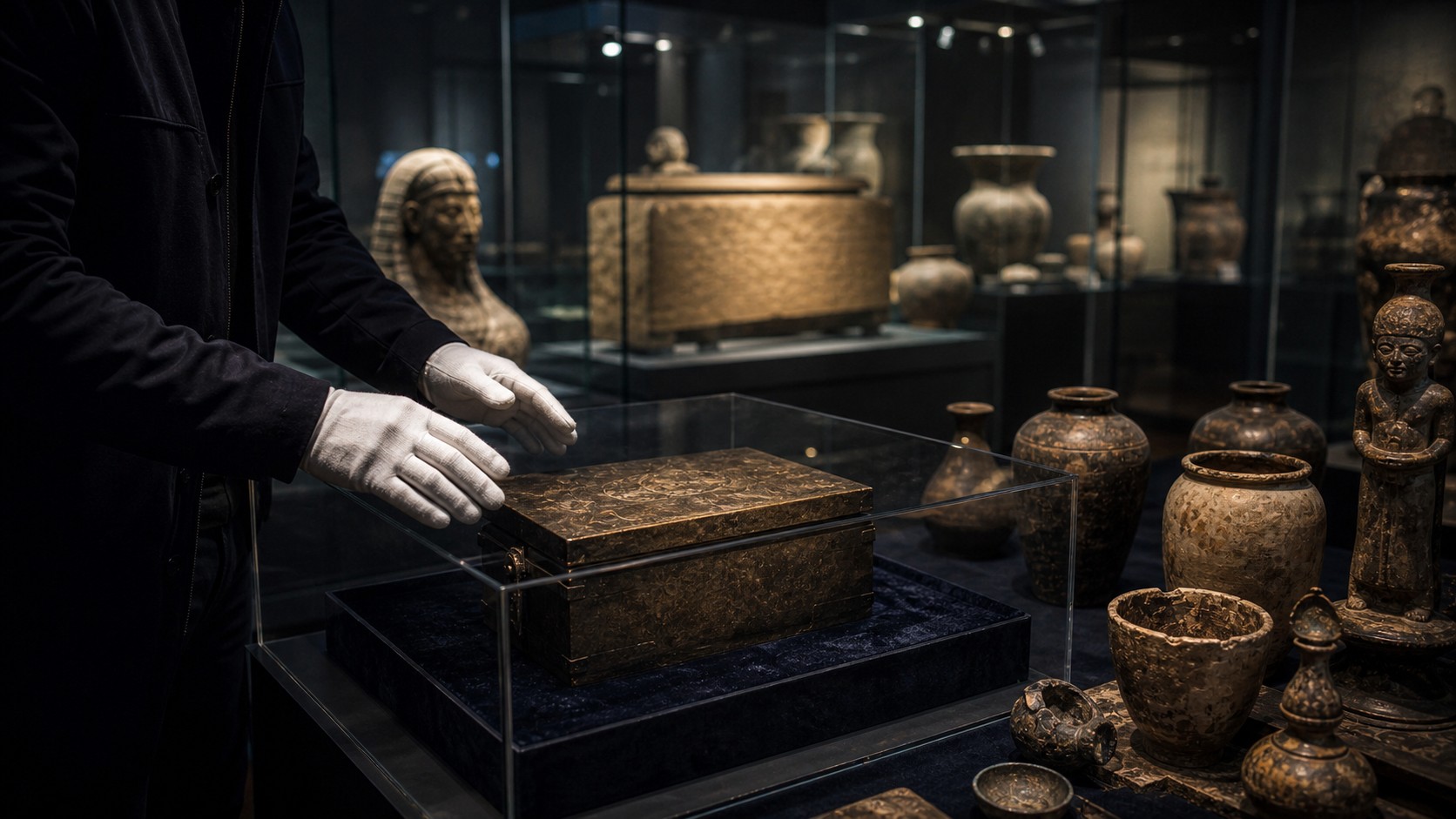
Many famous curses attach to objects because objects can travel. A relic, jewel, painting, statue, manuscript, or artifact moves from owner to owner, allowing each misfortune to be added to the legend. The object becomes a portable center of dread.
Objects also invite moral questions. Was it stolen, removed from a sacred place, mishandled, bought greedily, or displayed without respect? A curse story can transform ownership into consequence. The object appears to remember where it came from.
Tombs, Archaeology, and Public Imagination
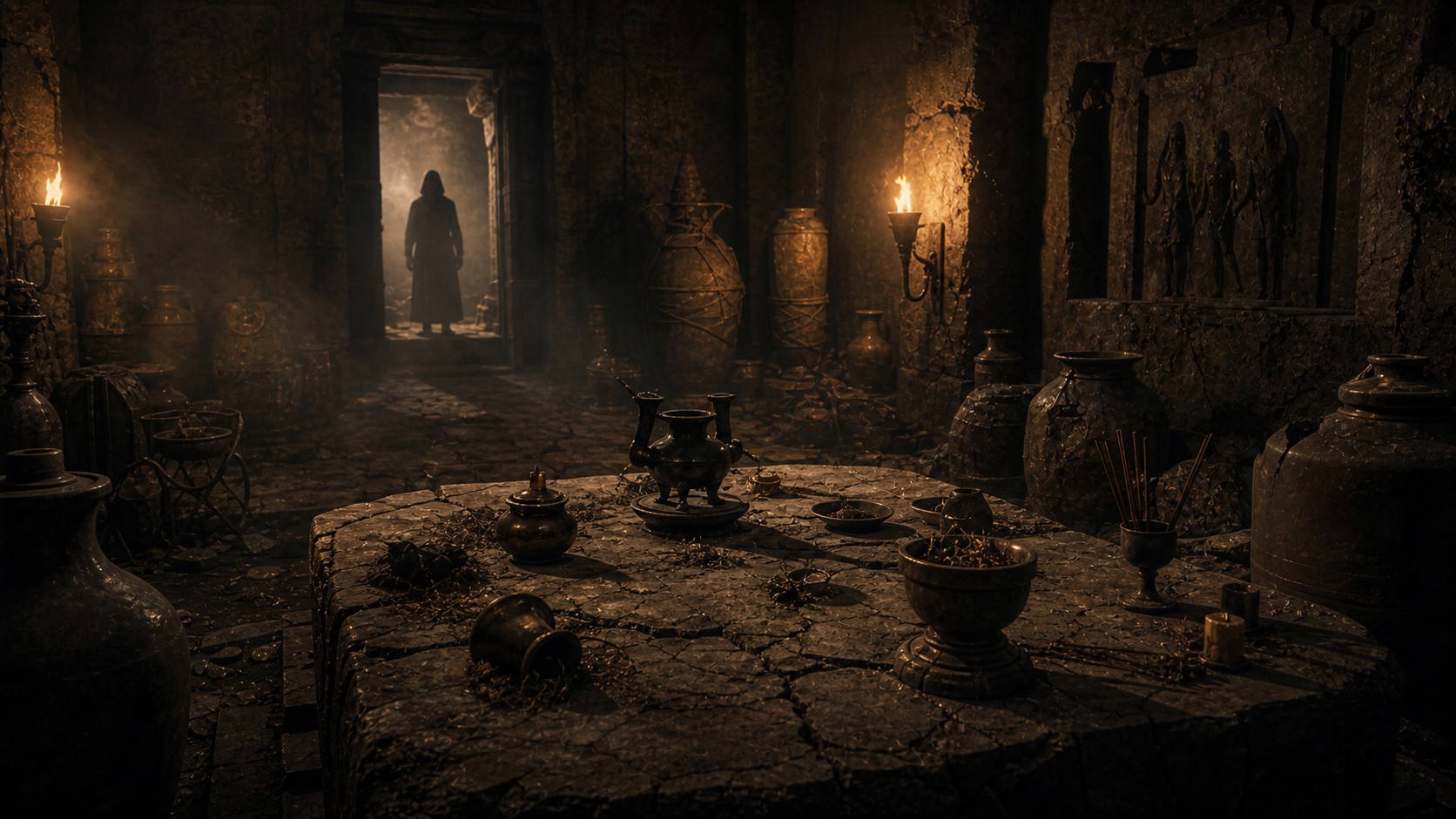
Tomb curses became famous because they join death, discovery, wealth, and trespass. Archaeology can be careful and scholarly, but the public imagination often focuses on sealed chambers, disturbed remains, and the possibility that the dead resent intrusion. That drama is almost impossible for rumor to ignore.
Media attention can magnify the effect. If someone associated with an excavation dies, falls ill, or suffers misfortune, the event may be folded into a curse narrative even when ordinary explanations exist. The tomb becomes a stage on which coincidence looks meaningful.
These stories also reveal discomfort with taking objects from their original contexts. A famous tomb curse may express more than fear of magic. It may reveal anxiety about respect, colonial collecting, ownership, and the treatment of the dead.
Family and Bloodline Curses
Some famous curses attach to families rather than objects. Repeated tragedies across generations can make people search for a pattern that feels larger than chance. A family curse gives grief a narrative spine, linking events through inheritance, betrayal, pride, or an old offense.
These stories can be emotionally powerful because families already think across generations. Memory, reputation, wealth, trauma, and obligation pass down through time. A curse dramatizes that inheritance by making misfortune feel almost genealogical.
Places With Dark Reputations
Places become cursed when repeated danger or sorrow attaches to them. A road, house, battlefield, island, mine, theater, or ruin may collect stories until the location itself feels hostile. Visitors arrive already primed to notice anything strange.
The place does not need supernatural force to shape behavior. A dangerous road may be physically risky. A decaying building may be unsafe. A battlefield may carry grief. The curse story intensifies those realities by giving them a single emotional explanation.
Famous cursed places often sit between history and tourism. People visit because they are afraid, and the visits keep the story alive.
Why Origins Get Rewritten
The origin of a famous curse is often rewritten after the curse becomes popular. Later tellers may add a warning inscription, a betrayed owner, a vengeful priest, a broken promise, or a dramatic first victim. These details make the story more satisfying, even when they are poorly supported.
This rewriting does not make the legend unimportant. It shows what audiences wanted the curse to explain. A famous curse needs a beginning that feels worthy of its consequences. If history is ambiguous, storytelling supplies the missing severity.
Reading Famous Curses Carefully
Famous curses should be read with both skepticism and respect for the fears that made them famous. Skepticism matters because coincidence, selective memory, and sensational media can create false patterns. Respect matters because curse stories often gather around death, cultural loss, stolen objects, family grief, and places with real histories.
The best approach asks what happened, what was later connected, who benefited from the story, and what anxieties the curse expressed. Some curse legends are entertainment. Others preserve discomfort about exploitation, desecration, or inherited harm.
The world's most famous curses endure because they make misfortune narratable. They offer a reason when events feel cruelly random. That reason may not be factually true, but it reveals the human need to believe that suffering has an origin and that some boundaries should not be crossed carelessly.