Monsters have haunted humanity’s imagination for thousands of years. Long before books, films, television, and video games introduced modern audiences to terrifying creatures, ancient civilizations were already telling stories about beings that lurked beyond the boundaries of safety and understanding. These monsters were more than simple characters in frightening tales. They represented humanity’s attempts to explain a world filled with danger, mystery, and uncertainty. In many cases, monsters embodied the fears, beliefs, and challenges that ancient people faced every day. They became powerful symbols that helped communities make sense of death, disease, natural disasters, and the unknown forces they believed existed beyond human control.
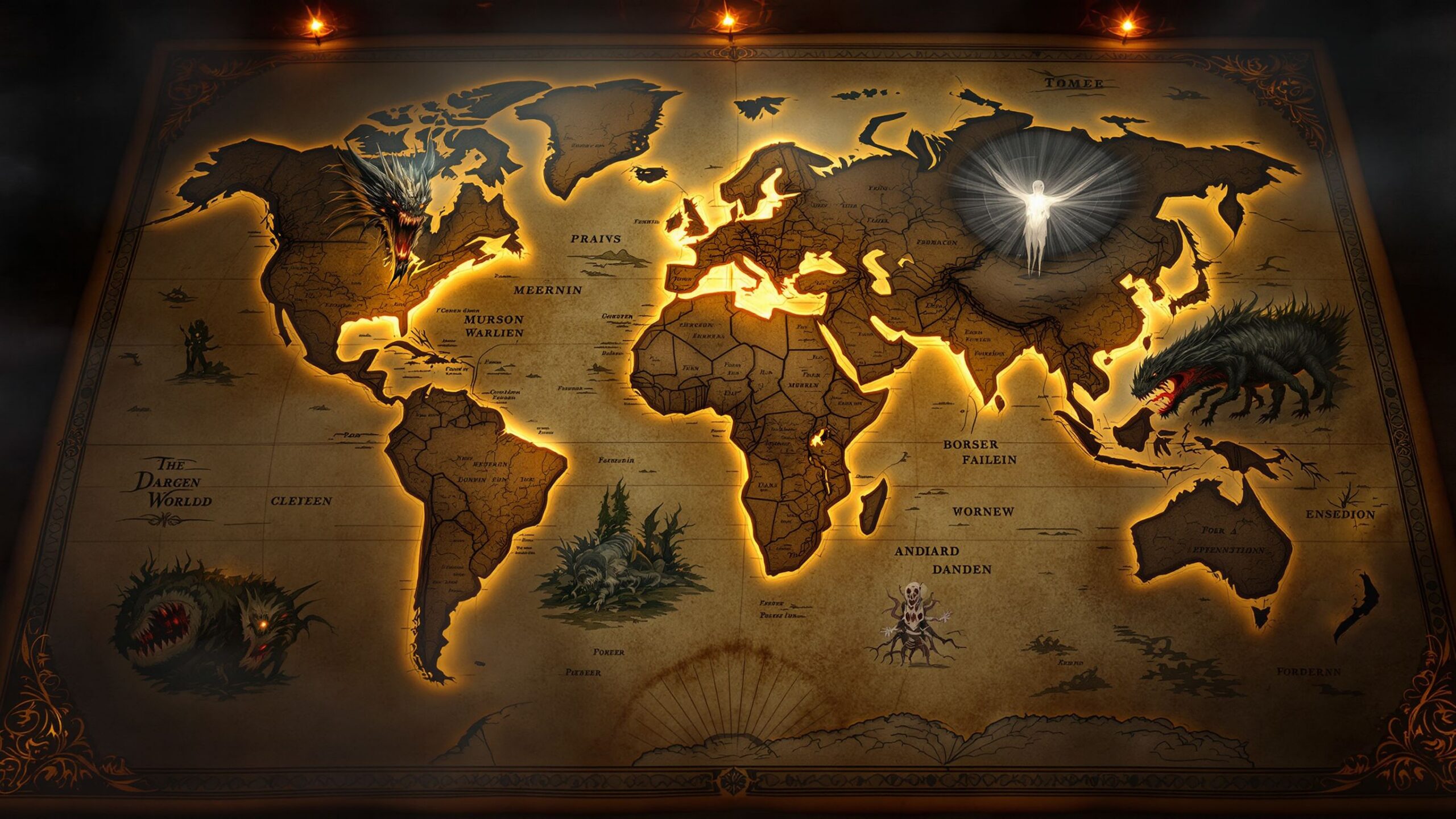
The origins of monsters in ancient folklore are deeply connected to human history. Every culture created its own terrifying creatures, shaped by local environments, religious beliefs, social customs, and collective fears. Although these monsters varied greatly in appearance, they often served similar purposes. They warned people about danger, reinforced cultural values, and provided explanations for events that could not otherwise be understood. The stories surrounding these creatures have survived for centuries because they reveal something timeless about human nature and our relationship with fear.
A: They used monsters to explain danger, teach lessons, honor beliefs, and give shape to fears people could not control.
A: Many were inspired by predators, storms, disease, death, natural disasters, strange fossils, and fear of unknown lands.
A: No. Some were guardians, divine servants, tests, protectors, omens, or punishments rather than purely evil creatures.
A: Serpents symbolized poison, hidden danger, rebirth, chaos, wisdom, and ancient power in many cultures.
A: A hybrid monster combines parts of different beings, such as human, lion, snake, bird, bull, or goat features.
A: Monster battles showed courage, intelligence, divine favor, and the triumph of order over chaos.
A: Medusa, the Minotaur, the Hydra, the Sphinx, and dragons are among the most famous ancient monsters.
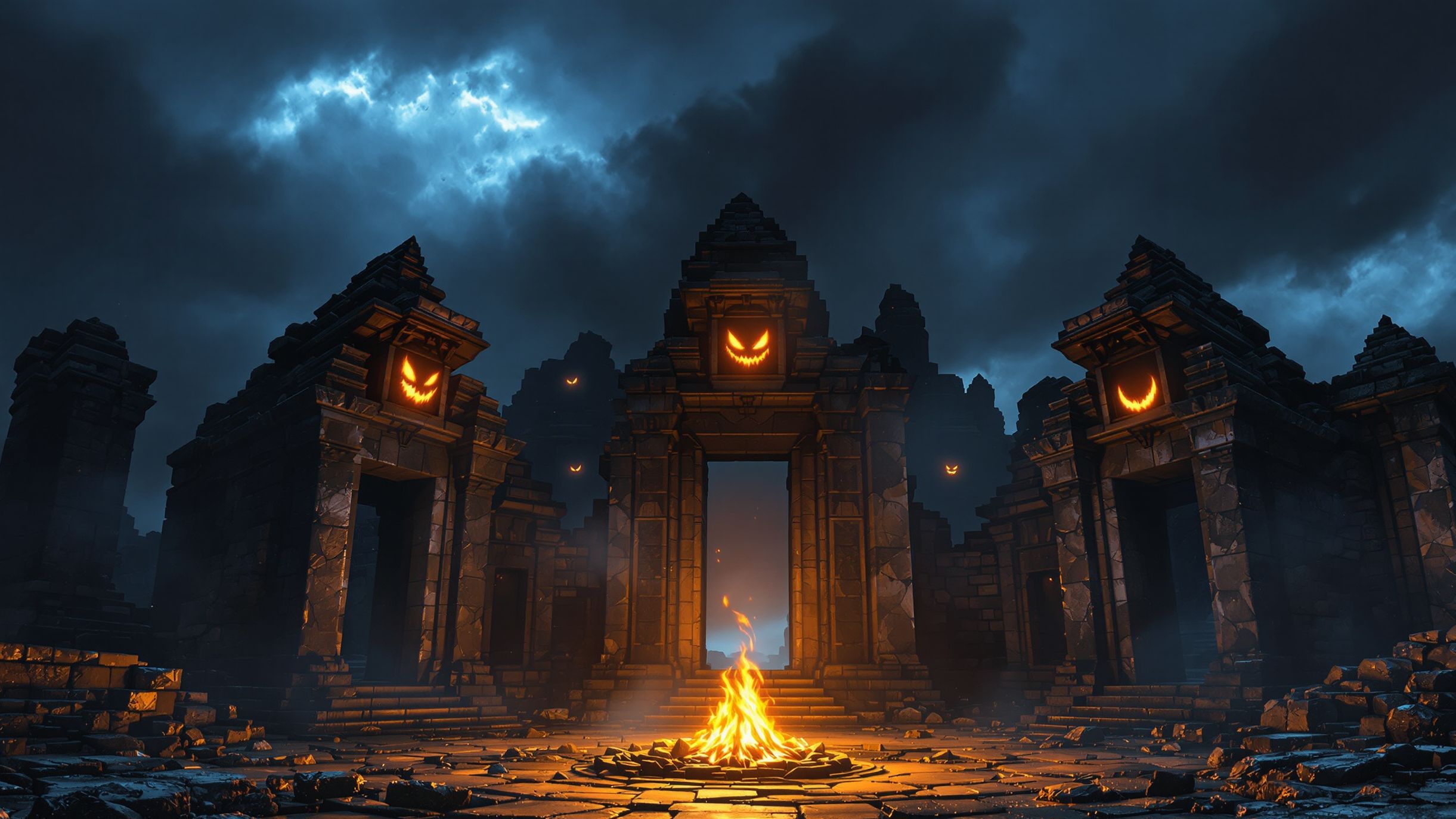
A: Forbidden places represented danger, sacred power, death, or the unknown, making them perfect homes for monsters.
A: Yes. Modern horror still uses ancient themes like curses, transformations, haunted thresholds, undead beings, and monstrous hybrids.
A: Many began with punishment, grief, violence, fear, betrayal, hunger, death, or the belief that humans could anger powerful forces.
Fear of the Unknown Created the First Monsters
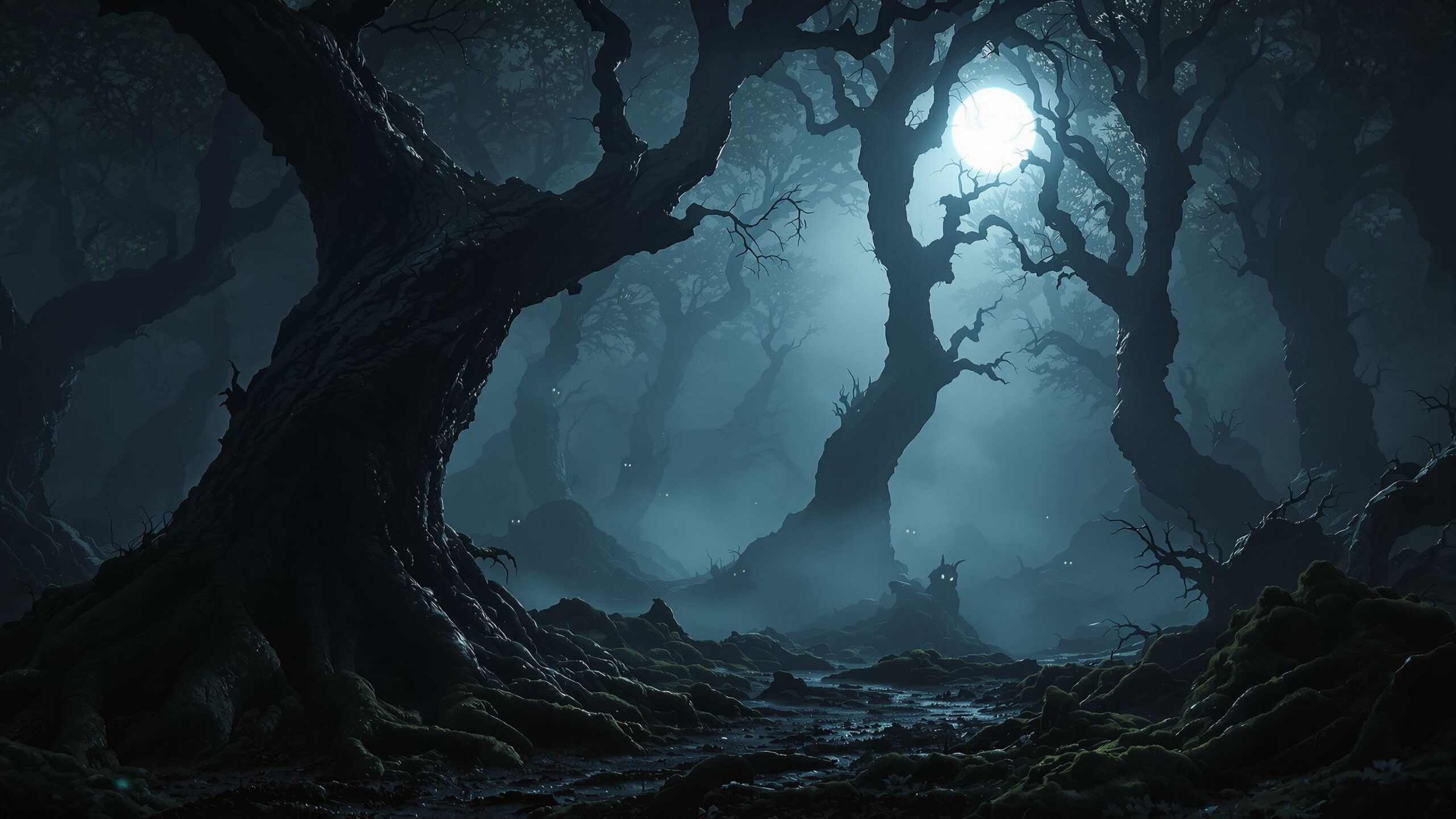
One of the most important reasons monsters emerged in ancient folklore was humanity’s fear of the unknown. Ancient people lived in a world that often seemed unpredictable and dangerous. Dense forests, vast oceans, towering mountains, and endless deserts contained mysteries that could not be explained through science. Strange sounds in the darkness, sudden illnesses, and unexplained disappearances often inspired stories about supernatural creatures.
When people lacked clear answers, imagination filled the gaps. A traveler who vanished in the woods may have fallen victim to a monster. A violent storm could be blamed on an angry beast or supernatural spirit. Dangerous predators became larger and more terrifying through repeated storytelling. Over generations, these tales evolved into elaborate legends featuring creatures that embodied the unknown dangers lurking beyond civilization.
Fear has always been one of humanity’s strongest survival instincts. Monsters gave shape to that fear, transforming invisible threats into recognizable beings that could be described, understood, and passed down through stories.
Nature Inspired Many Ancient Creatures
The natural world played a significant role in the creation of folklore monsters. Ancient people lived much closer to nature than most modern societies. They regularly encountered dangerous animals, harsh weather, and unpredictable landscapes. Many legendary creatures were inspired by real-world encounters that became exaggerated over time.
Large predators such as wolves, bears, lions, crocodiles, and snakes often served as foundations for monstrous beings. Ancient storytellers combined the most frightening traits of multiple animals to create creatures far more terrifying than anything found in nature. Dragons, for example, often possessed the scales of reptiles, the claws of predators, and the ability to fly like birds.
The ocean inspired countless sea monsters because ancient sailors frequently encountered storms, giant waves, and mysterious creatures beneath the water’s surface. Without modern knowledge of marine life, sightings of whales, giant squid, or unusual fish could easily evolve into stories about monstrous beasts capable of sinking ships and devouring entire crews.
Nature was both a provider and a threat. Folklore monsters reflected humanity’s respect for the immense power and unpredictability of the natural world.
Death and the Afterlife Shaped Terrifying Legends
Death has always been one of humanity’s greatest mysteries. Ancient cultures developed complex beliefs about what happens after death, and many monsters emerged from these beliefs. Spirits, ghosts, demons, and undead creatures became common features of folklore because they helped explain what might exist beyond the grave.
Many ancient monsters were connected to improper burials, restless souls, or punishments in the afterlife. Stories warned people about the consequences of disrespecting the dead or violating sacred traditions. In numerous cultures, individuals who died violently or without proper rituals were believed to return as dangerous spirits.
Vampires, revenants, ghosts, and similar creatures often originated from fears surrounding death and decomposition. Before modern medicine, disease outbreaks and unexplained deaths frequently led communities to search for supernatural explanations. Monsters became a way to make sense of tragedy and loss in a world where death was a constant presence.
These legends offered both warnings and comfort by suggesting that life continued in some form beyond physical existence, even if that continuation could sometimes become frightening.
Religion and Mythology Influenced Monster Creation
Religious beliefs played a major role in shaping ancient monsters. Many creatures served as representations of evil, temptation, chaos, or divine punishment. Religious stories often featured monsters that challenged heroes, tested believers, or symbolized spiritual dangers.
Ancient civilizations frequently viewed the universe as a battleground between order and chaos. Monsters often represented chaotic forces that threatened society and cosmic balance. Heroes who defeated these creatures symbolized the triumph of civilization, morality, and divine order over destructive powers.
Demons became especially common in religious folklore because they provided explanations for misfortune, temptation, and suffering. Many cultures believed that supernatural beings influenced human behavior and events. Monsters therefore became manifestations of spiritual fears as well as physical threats.
These religious connections gave monsters deeper meanings beyond simple horror. They became symbols that reinforced faith, morality, and cultural identity.
Monsters as Warnings and Lessons
Many ancient folklore monsters existed primarily to teach important lessons. Parents, elders, and community leaders used frightening stories to encourage safe behavior and social responsibility. Monsters became powerful educational tools because fear made stories memorable.
Children were warned about creatures lurking near dangerous rivers, deep forests, and steep cliffs. These stories reduced the likelihood of accidents by discouraging risky behavior. Other monsters punished dishonesty, greed, disrespect, or selfishness. Through folklore, communities reinforced social values while entertaining audiences.
The famous Wendigo legend serves as an example of this tradition. Beyond being a terrifying monster, the Wendigo symbolizes greed and excessive consumption. Similar lessons appear in folklore throughout the world, demonstrating how monsters often carried moral significance.
The effectiveness of these stories ensured their survival across generations. People remembered monsters because the lessons attached to them felt important and relevant.
Disease and Disaster Created New Nightmares
Ancient people frequently faced diseases and disasters that seemed impossible to explain. Epidemics could wipe out entire communities. Crops could fail without warning. Natural disasters could destroy villages overnight. Without scientific knowledge, these events often appeared supernatural.
Monsters became convenient explanations for suffering. A plague might be blamed on a demon. A drought could be attributed to an angry spirit. Strange illnesses might be linked to vampires, witches, or curses. These explanations helped people cope with situations that otherwise felt random and uncontrollable.
In many cultures, folklore monsters became associated with specific forms of suffering. Some spread disease, while others caused famine or death. These creatures reflected the real fears of communities struggling to survive in challenging environments.
Although science has replaced many supernatural explanations, the emotional impact of these stories remains powerful because they capture humanity’s enduring struggle to understand hardship.
Shape-Shifters and the Fear of Betrayal
One of the most common themes in ancient folklore involves shape-shifting monsters. These creatures could disguise themselves as humans, animals, or other forms to deceive their victims. Their popularity reveals a deep fear that exists across cultures: the fear of betrayal.
Shape-shifters challenge our ability to trust what we see. If a monster can appear as a friend, family member, or neighbor, then danger may be hiding in plain sight. This concept creates psychological horror that remains effective even today.
Werewolves, skinwalkers, Rakshasas, and countless other shape-shifting beings appear throughout folklore. While their forms differ, they share a common purpose. They remind people that appearances can be deceiving and that evil may sometimes wear a familiar face.
These stories continue to resonate because trust and deception remain important themes in human relationships.
Why Ancient Monsters Still Matter Today
Despite living in a technologically advanced world, people remain fascinated by ancient monsters. Modern horror stories frequently borrow ideas from folklore because the fears these creatures represent are timeless. Fear of death, fear of the unknown, fear of betrayal, and fear of losing control continue to influence human behavior.
Ancient monsters also offer valuable insights into history and culture. They reveal how earlier societies understood the world and responded to challenges. By studying these legends, we gain a deeper appreciation for the creativity, resilience, and imagination of the people who created them.
Contemporary films, novels, television shows, and games regularly reimagine folklore monsters for modern audiences. Although the settings and details may change, the emotional power of these creatures remains remarkably consistent. Their survival across centuries demonstrates the lasting impact of storytelling on human culture.
The Evolution of Monsters Through Time
As civilizations changed, monsters evolved alongside them. Ancient creatures were adapted to fit new beliefs, technologies, and cultural concerns. Some monsters became less frightening and more symbolic, while others grew even darker through retellings.
Legends traveled across regions through trade, migration, and conquest. As stories spread, monsters absorbed elements from different cultures, creating entirely new variations. This process allowed folklore creatures to remain relevant even as societies transformed.
The monsters that survive today are often the result of centuries of adaptation. They carry traces of countless storytellers who modified and expanded legends to fit their own times. This constant evolution has helped folklore monsters remain vibrant and compelling.
Conclusion
The dark origins of monsters in ancient folklore reveal far more than humanity’s love of scary stories. These creatures emerged from genuine fears, unanswered questions, religious beliefs, natural dangers, and social concerns. They helped ancient people understand a world that often felt unpredictable and dangerous. Whether inspired by death, disease, wilderness, betrayal, or the mysteries of the supernatural, monsters became powerful symbols that reflected humanity’s deepest anxieties.
Although modern science has explained many of the mysteries that once gave rise to these legends, the monsters themselves continue to endure. Their stories remain relevant because the fears they embody are still part of the human experience. By exploring the origins of these creatures, we gain a deeper understanding of both ancient cultures and ourselves. The monsters may be fictional, but the emotions that created them are timeless, ensuring that these terrifying legends will continue to haunt human imagination for generations to come.