Among the many figures that populate the world of horror, few are as unsettling as the silent stalker. These characters do not rely on loud threats, dramatic speeches, or overt displays of power. Instead, they exist in stillness, watching, waiting, and moving with an eerie calm that makes their presence even more disturbing. The silent stalker is defined not by what they say, but by what they don’t. Their silence creates tension, their stillness builds dread, and their inevitability turns fear into something almost inescapable. Over time, this archetype has evolved, reflecting changes in storytelling, technology, and the psychological fears of each generation.
A: They build tension through anticipation rather than immediate action.
A: Silence removes humanity and increases mystery and fear.
A: Often yes, because slow movement creates a sense of inevitability.
A: Their focus on observation and psychological fear rather than chaos.
A: They always return, no matter how far the victim runs.
A: Not usually—they rely more on sustained tension and atmosphere.
A: It builds unease before the characters even realize the danger.
A: It helps conceal and reveal them at just the right moment.
A: They are exaggerated but rooted in real fears of being followed or watched.
A: Because fear of the unknown and unseen never fades.
Early Foundations of Quiet Terror
The roots of the silent stalker can be traced back to the earliest days of cinema, when films relied heavily on visual storytelling. In silent films, characters could not speak, forcing filmmakers to convey emotion and tension through movement, expression, and atmosphere. This limitation unintentionally created some of the first examples of silent horror figures.
One of the most influential early portrayals appears in Nosferatu, where the vampire moves with unnatural stillness, often appearing without warning. The absence of dialogue enhances the sense of unease, making every movement feel deliberate and ominous.
These early films established a key principle of horror: what is not said can be more powerful than what is spoken. Silence became a tool, allowing tension to build without interruption.
The Rise of the Watching Presence
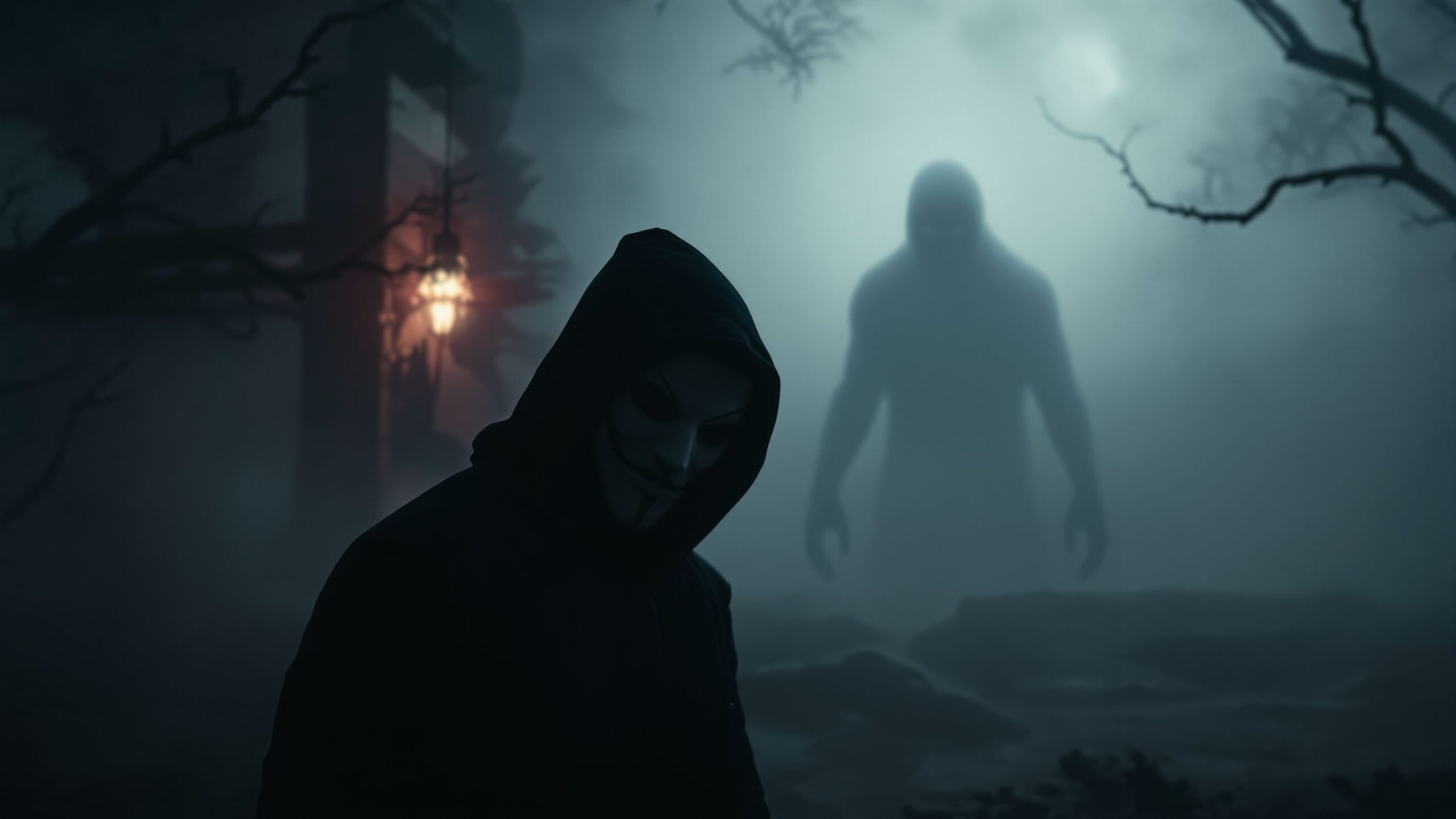
As horror evolved, the silent stalker began to take on a more defined role. Instead of simply existing within a scene, these figures became active observers—watching from a distance, often unnoticed by their victims. This shift introduced a new layer of fear: the idea that danger could be present long before it is recognized.
The watching presence creates a sense of vulnerability. It suggests that safety is an illusion, that someone—or something—could be observing without detection. This concept resonates deeply, as it taps into primal instincts related to survival and awareness.
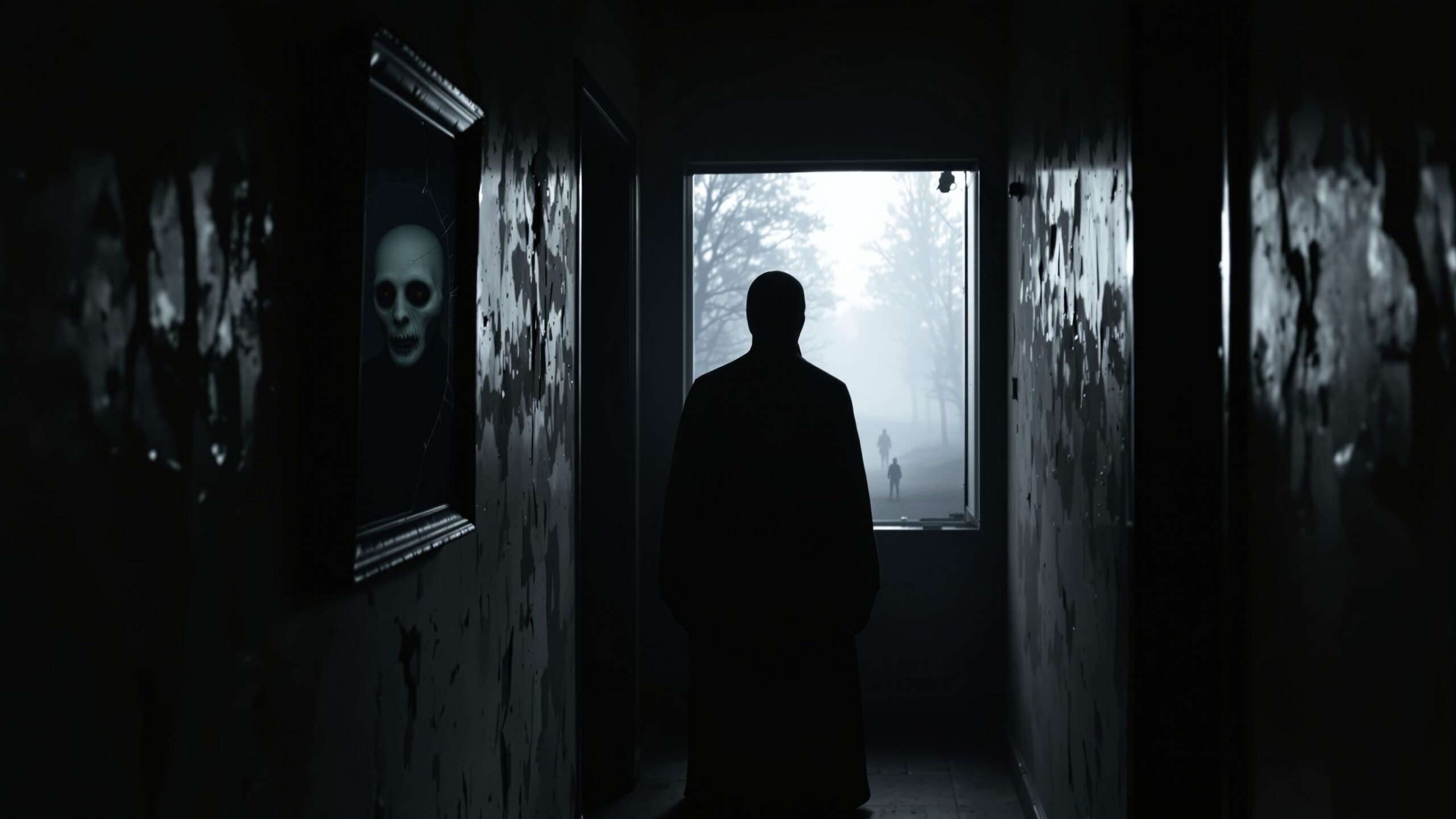
In many stories, the silent stalker is first introduced through glimpses—reflections, shadows, or distant figures. These subtle appearances build anticipation, allowing fear to grow gradually rather than appearing all at once.
The Slasher Era and the Power of Stillness
The late 20th century saw the silent stalker become a central figure in the slasher genre. Characters like Michael Myers, introduced in Halloween, exemplify this evolution. Myers rarely speaks, yet his presence dominates every scene he enters.
His silence is not passive—it is intentional. He watches his victims, follows them, and appears without warning. His lack of dialogue removes any sense of negotiation or reasoning, making him feel unstoppable.
This era emphasized the visual and physical aspects of horror. The silent stalker became a figure defined by movement—or the lack of it. Standing still in the background, walking slowly but relentlessly, these actions created a sense of inevitability that heightened the tension.
Psychological Horror and the Invisible Threat
In more recent storytelling, the silent stalker has expanded beyond physical presence into psychological space. These figures may not always be seen, but their influence is felt. They exist in the mind, creating fear through suggestion and implication.
Films like It Follows present a modern interpretation of the silent stalker. The entity in the film moves slowly, silently, and without emotion, taking on different forms as it pursues its target. Its quiet persistence makes it more terrifying, as there is no escape and no explanation.
This evolution reflects a shift toward internalized fear. The silent stalker is no longer just an external threat—it becomes a representation of anxiety, guilt, or inevitability. The horror lies in the idea that the threat cannot be outrun or understood.
The Role of Environment and Atmosphere
Silent stalkers rely heavily on their surroundings. Unlike loud or aggressive characters, they blend into their environment, using shadows, darkness, and distance to their advantage. This integration with the setting makes them harder to detect and more unsettling.
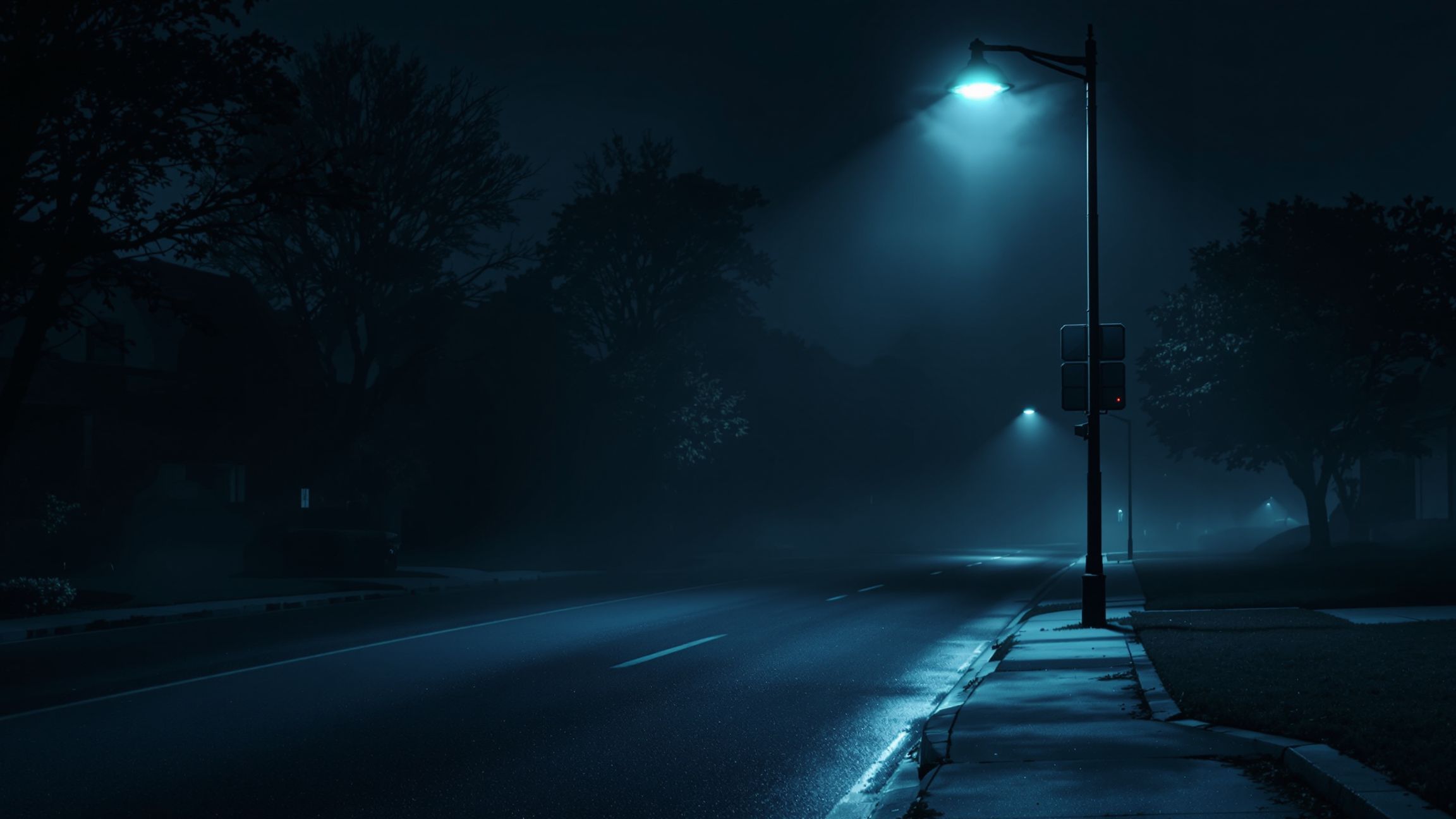
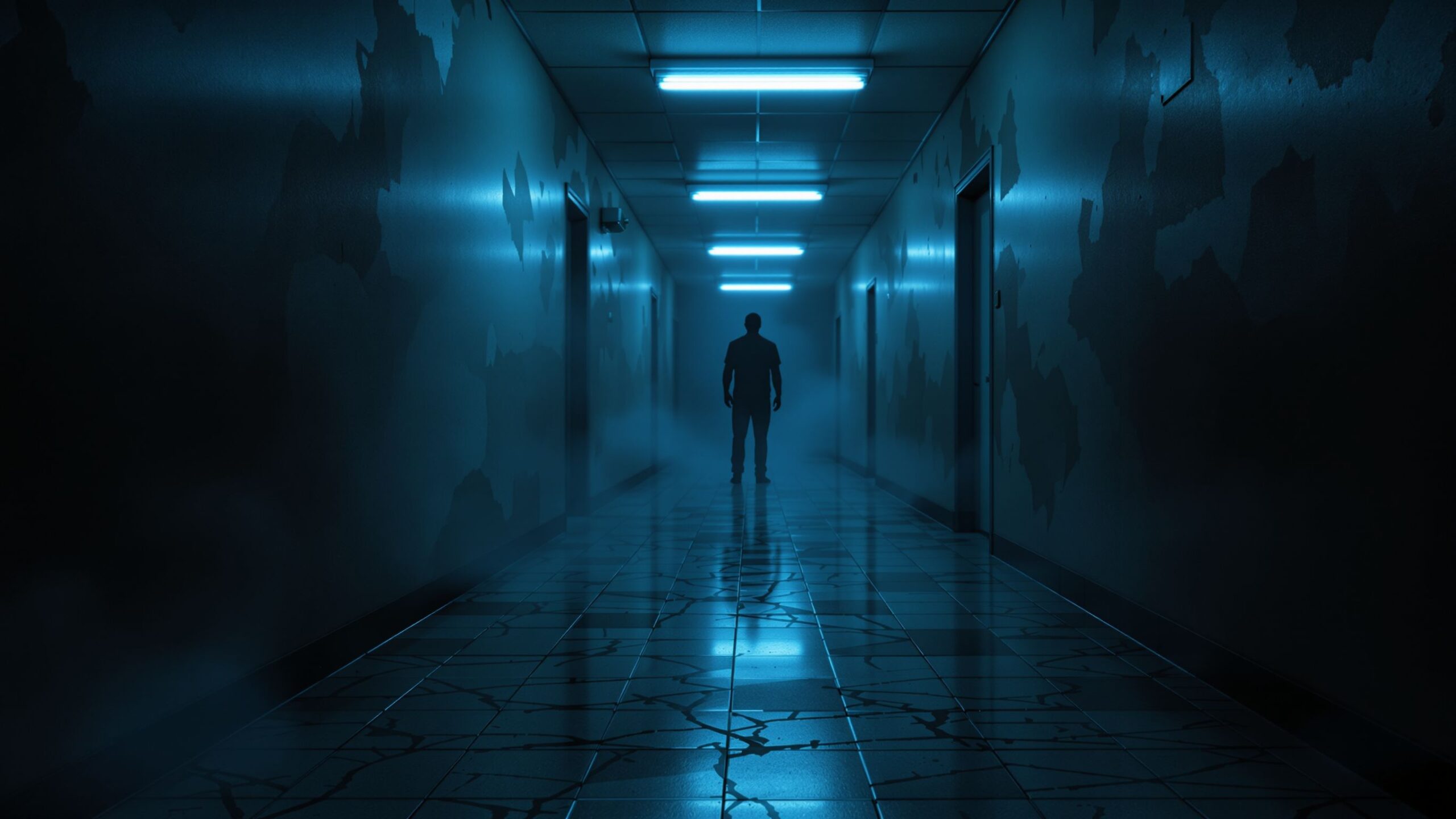
A quiet hallway, an empty street, or a dense forest can all become stages for the silent stalker. The absence of sound amplifies every detail—the creak of a floorboard, the rustle of leaves, the faint echo of footsteps. These subtle elements create a heightened sense of awareness, drawing the audience into the experience.
Atmosphere becomes a key component of the silent stalker’s effectiveness. It is not just about the character, but about the space they inhabit and how that space is presented.
The Fear of Inevitability
One of the defining traits of the silent stalker is inevitability. Unlike chaotic or unpredictable threats, these figures move with purpose and patience. They do not rush, yet they always arrive.
This sense of inevitability creates a unique form of tension. The audience knows that something will happen, but not when or how. The waiting becomes part of the horror, as each moment builds toward an unavoidable conclusion.
This concept resonates because it reflects real fears—situations that feel beyond control, outcomes that cannot be avoided. The silent stalker embodies this idea, turning it into a tangible presence.
Minimalism and Modern Horror
Modern horror has embraced minimalism, stripping away unnecessary elements to focus on core concepts. The silent stalker fits perfectly within this approach. With minimal dialogue and simple design, these characters rely on execution rather than complexity.
This minimalism allows for greater flexibility. Silent stalkers can exist in various forms, from human figures to abstract entities. Their defining characteristic is not their appearance, but their behavior—the quiet, persistent pursuit that defines their presence.
This adaptability ensures that the silent stalker remains relevant, capable of evolving alongside changing storytelling trends.
Why Silence Is So Effective
Silence is a powerful tool in horror because it creates space. Without dialogue or noise, the mind becomes more active, filling in gaps and imagining possibilities. This engagement makes the experience more personal and intense.
Silence also disrupts expectations. In a world filled with constant sound, quiet moments stand out. They signal that something is different, that something is about to happen. This contrast heightens tension, making even small movements feel significant.
The silent stalker uses this principle to its advantage. By removing sound, it amplifies fear, turning stillness into something deeply unsettling.
The Enduring Appeal of the Silent Stalker
The silent stalker endures because it taps into fundamental human fears. The fear of being watched, the fear of the unknown, and the fear of inevitability are all embodied in this archetype.
These characters do not need elaborate backstories or explanations. Their presence alone is enough to create fear. This simplicity makes them timeless, capable of resonating across different cultures and eras.
As horror continues to evolve, the silent stalker remains a constant, adapting to new contexts while retaining its core essence.
The Quiet That Follows
The evolution of silent stalkers in horror stories reveals the power of restraint. By removing sound and focusing on presence, these figures create a form of fear that is both subtle and overwhelming. They remind us that horror does not always need to shout. Sometimes, it is the quietest moments that leave the deepest impact. The silent stalker stands as a testament to this idea, proving that in the world of horror, silence can be the most terrifying sound of all.