Horror villains are rarely created in isolation. While individual characters may feel unique, they are often shaped by deeper patterns—archetypes that define how fear is expressed across stories and cultures. These archetypes serve as the foundation of horror, providing recognizable frameworks that audiences instinctively understand. From silent killers to ancient, unknowable forces, these villain types tap into universal fears that transcend time and place. By exploring these archetypes, we can better understand not only the characters themselves, but the deeper psychological and cultural forces that make them so enduring.
A: A recurring character type that represents a specific kind of fear.
A: They help audiences quickly recognize and connect with the threat.
A: No, they provide a foundation that creators can expand upon.
A: They tap into timeless fears that never fully disappear.
A: Yes, many iconic villains blend different traits.
A: Strong design, clear concept, and lasting cultural impact.
A: It depends—human villains feel real, while supernatural ones feel unstoppable.
A: Silence increases mystery and tension.
A: They adapt to cultural changes and storytelling trends.
A: New ones emerge, but classic archetypes rarely disappear.
The Masked Killer: Fear Without Identity
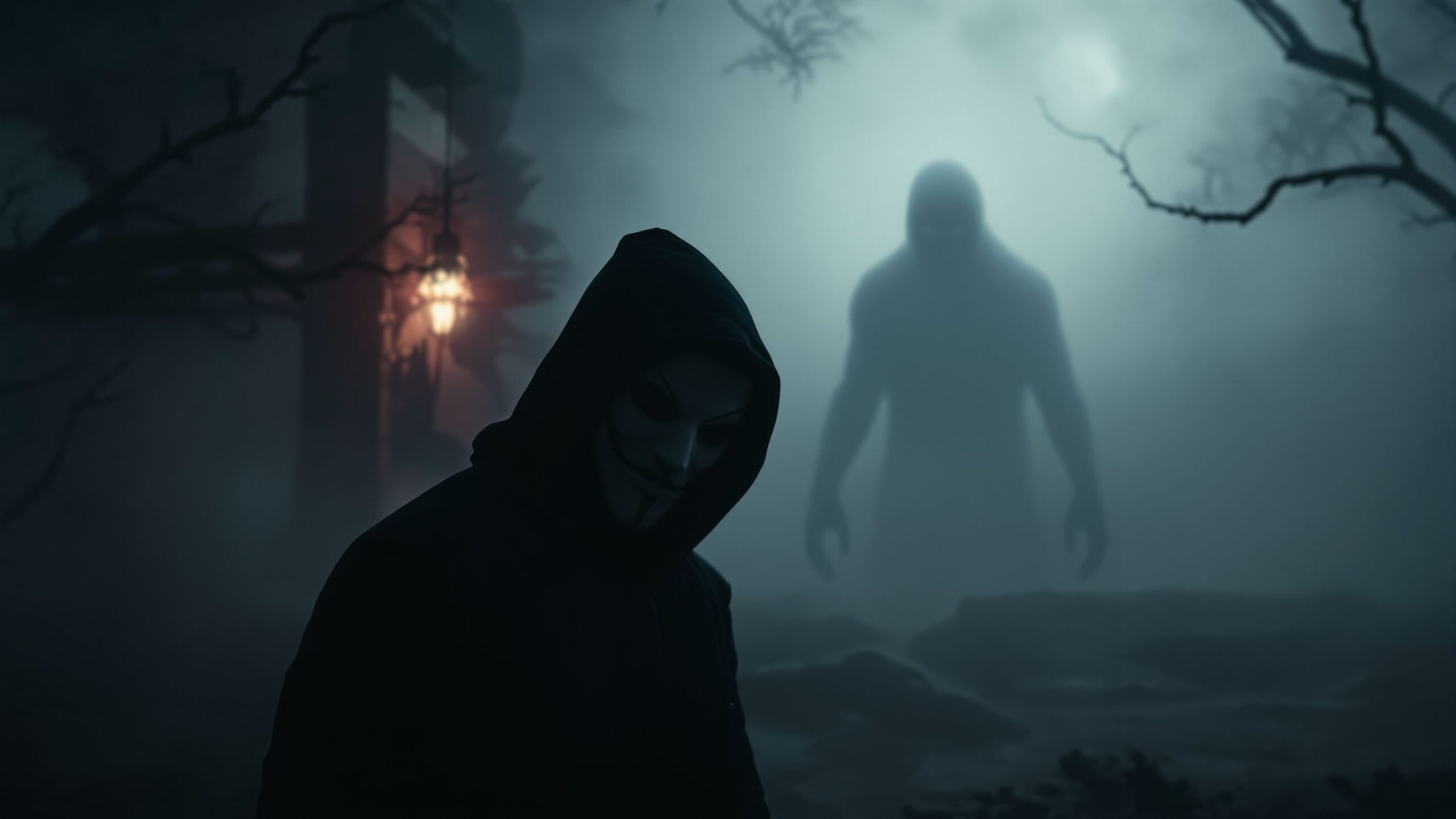
One of the most recognizable horror archetypes is the masked killer, a figure defined by anonymity and emotional detachment. Characters like Michael Myers and Jason Voorhees embody this archetype, using masks to obscure their humanity and create a sense of mystery.
The mask removes individuality, turning the killer into a symbol rather than a person. This lack of identity makes them unpredictable and difficult to understand, amplifying the fear they create. Their silence and stillness often add to this effect, making their presence feel inevitable and inescapable.
This archetype resonates because it reflects a fundamental fear of the unknown. When we cannot see a face or understand a motive, the mind begins to imagine possibilities, often creating something more terrifying than reality.
The Unstoppable Force: Fear of Inevitability
Closely related to the masked killer is the unstoppable force—a villain that cannot be reasoned with, stopped, or escaped. These characters move slowly but relentlessly, creating a sense of inevitability that builds tension over time.
Unlike villains with clear motivations, the unstoppable force operates with a singular purpose. This simplicity makes them more terrifying, as there is no opportunity for negotiation or understanding. They represent the idea that some threats are beyond control, reflecting fears of fate, death, and the passage of time.
This archetype strips away hope, replacing it with the certainty that the threat will continue until it reaches its target.
The Supernatural Predator: Fear of the Unknown
The supernatural predator is a classic horror archetype, encompassing creatures that exist beyond the natural world. Vampires, ghosts, and other entities fall into this category, each bringing their own unique qualities to the genre.
These villains often combine human traits with supernatural abilities, creating a sense of familiarity and alienness at the same time. Their powers—whether it’s immortality, invisibility, or transformation—make them formidable opponents.
The fear they evoke is rooted in the unknown. They operate outside the rules of reality, challenging our understanding of the world and introducing elements that cannot be easily explained.
The Cursed Being: Tragedy and Transformation
The cursed being represents a more tragic form of horror. These villains are not inherently evil, but are transformed by forces beyond their control. Their stories often involve loss, regret, and the consequences of actions.
This archetype appears in characters who struggle with their condition, torn between their humanity and the forces that have changed them. Their internal conflict adds emotional depth, making them both frightening and sympathetic.
The cursed being reflects fears of losing control over one’s life, whether through illness, fate, or external influence. It turns personal struggles into visible transformations, making abstract fears tangible.
The Mad Creator: Fear of Human Ambition
Another enduring archetype is the mad creator—a figure whose pursuit of knowledge or power leads to unintended consequences. This villain is often driven by ambition, curiosity, or obsession, pushing boundaries without considering the risks.
The horror in this archetype lies in its realism. It suggests that danger does not always come from outside forces, but from human actions. The mad creator becomes a cautionary figure, representing the potential consequences of unchecked ambition.
This archetype is particularly relevant in times of rapid technological advancement, where questions about ethics and responsibility become more pressing.
The Possessed or Corrupted: Fear of Losing Control
The possessed or corrupted villain represents the fear of losing control over one’s own body or mind. These characters are often taken over by external forces, transforming them into something unrecognizable.
This archetype is deeply unsettling because it challenges the idea of autonomy. It suggests that identity can be overridden, that the self is not as stable as we believe. The transformation is often sudden and dramatic, creating a stark contrast between who the character was and who they become.
The fear here is not just of the external force, but of what it reveals about vulnerability and the fragility of identity.
The Ancient Evil: Fear of the Unknown Past
The ancient evil archetype draws on the idea that something old, powerful, and incomprehensible exists beyond human understanding. These villains are often tied to forgotten histories, hidden knowledge, or cosmic forces.
Their scale and indifference make them particularly terrifying. They do not act out of malice or intention, but simply exist, affecting the world in ways that humans cannot control. This creates a sense of insignificance, challenging our perception of importance and agency.
The ancient evil reflects existential fears, reminding us that there are forces in the universe that we may never fully understand.
The Psychological Manipulator: Fear of the Mind
Not all horror villains rely on physical presence. The psychological manipulator uses intellect, strategy, and emotional influence to create fear. These characters often operate behind the scenes, controlling events without direct confrontation.
Their power lies in their ability to understand and exploit human behavior. They create fear through suggestion, manipulation, and unpredictability, making their victims question reality itself.
This archetype reflects fears of deception and loss of control over one’s thoughts. It emphasizes that the mind can be as vulnerable as the body.
Why These Archetypes Endure
The enduring power of these archetypes comes from their connection to universal human experiences. Fear of the unknown, loss of control, identity, and inevitability are not tied to any specific time or place. They are part of the human condition.
Archetypes provide a structure for exploring these fears, allowing stories to resonate across different cultures and generations. They create a sense of familiarity while still allowing for innovation and variation.
By returning to these patterns, horror remains both recognizable and endlessly adaptable, capable of evolving while maintaining its core essence.
The Blueprint of Fear
The most iconic horror villain archetypes are more than just storytelling tools—they are reflections of the fears that define us. Each archetype represents a different aspect of what it means to be afraid, from the unknown and uncontrollable to the deeply personal and psychological. Understanding these archetypes reveals the blueprint behind horror itself. It shows how stories are built, how fear is created, and why certain figures continue to captivate audiences. As horror continues to evolve, these archetypes will remain at its core, shaping new stories and new villains. They are the foundation of fear, ensuring that no matter how the genre changes, its essence will always endure.