Why Ancient Curses Were More Than Angry Words
The dark origins of ancient curses are tied to protection, fear, law, ritual, grief, and the belief that words could bind consequence to an action. A curse might guard a tomb when no living guard remained, protect a field boundary, punish a broken oath, defend sacred property, or give the powerless a way to call for justice. Ancient curses were not always impulsive outbursts. Many were deliberate social tools. They made invisible enforcement feel present. They told thieves, oath breakers, rivals, and trespassers that harm could follow them beyond the reach of ordinary witnesses. The darkness of ancient curses also comes from the way they connected private wrongdoing to cosmic or communal consequence. A theft from a tomb was not merely a property crime. It could be imagined as an injury to the dead, the family, the gods, and the order that kept memory intact. A broken oath was not merely a personal failure. It threatened the trust that allowed trade, treaties, testimony, marriage, inheritance, and political loyalty to function. A curse took that social seriousness and gave it teeth. It said that even if no human judge saw the offense, the offense had entered a wider field of accountability. This made curses especially useful in situations where enforcement was difficult. The dead could not defend their grave goods. The poor might not win against the powerful. A boundary marker might stand far from witnesses. A sacred object might be vulnerable when priests were absent. Curses filled those gaps with imagined surveillance. They made the world feel watched. At the same time, curses reveal the frightening side of moral imagination. If misfortune could be read as punishment, then illness, crop failure, infertility, or family loss might be interpreted through suspicion. A tool designed to protect order could also deepen anxiety and blame. That tension is part of what makes ancient curses so compelling. They were protective and threatening, legal and magical, emotional and formal. They show people trying to make consequences last longer than memory, longer than witnesses, and sometimes longer than life itself. Ancient curses also show how closely fear and order were linked. A society without modern policing, surveillance, contracts, or forensic tools still needed ways to protect agreements and boundaries. The curse gave invisible force to vulnerable things. It made a grave more than a pit, a boundary more than a stone, an oath more than a sentence, and a sacred vessel more than an object. That transformation is why curses deserve more serious attention than simple superstition jokes allow. They were part of a practical imagination of enforcement. At the same time, curses could intensify social fear by making suffering interpretable as deserved punishment. If a person fell ill after a dispute, if crops failed after an accusation, or if a family experienced repeated loss, people might wonder whether words spoken earlier had taken effect. The curse tradition therefore created both security and anxiety. It protected values by threatening consequences, but it could also make misfortune feel morally loaded. That double function is central to the darkness of ancient curses. They promised justice where ordinary systems failed, yet they also made the world feel dangerous with hidden accusations and unseen debts. The darkness of ancient curses also comes from their relationship to memory. Many curses were designed to outlast the person who spoke them. A warning cut into stone, buried with a body, placed on a boundary, or attached to a ritual object could keep speaking after ordinary witnesses were gone. That endurance mattered in societies where inheritance, burial, land, and sacred duty depended on continuity. The curse became a voice for the absent: the dead, the wronged, the ancestors, the gods, or the community that expected a rule to be honored. This helps explain why curse traditions can feel both harsh and deeply human. They express anger, but they also express fear that important obligations will be forgotten. A tomb curse fears that the dead will be treated as objects. A boundary curse fears that land and labor will be stolen. An oath curse fears that language will lose its force. A ritual curse fears that power without accountability will go unanswered. Those fears are not childish. They belong to societies trying to make promises durable in a world where evidence could vanish and authority could fail. The unsettling part is that curses answered uncertainty by imagining suffering. They did not merely ask for correction; they often asked for illness, ruin, exposure, or inherited consequence. That is why ancient curses deserve a careful explanation. They reveal serious social needs, but they also show how easily the desire for justice can become a desire for terror when no visible system seems strong enough to protect what matters. Ancient curse traditions also remind modern readers that fear was often built into public communication. A warning was meant to be felt, not merely understood. The language could be formal, poetic, legal, religious, or brutally direct, but its purpose was to make violation feel consequential before it happened. That preventive function matters. A curse could reduce the need for physical enforcement by making the imagination do part of the guarding. Yet this same imaginative power could become oppressive when suspicion spread. If every illness, failed harvest, or family tragedy could be interpreted as the result of hidden offense, then fear itself became a social atmosphere. The origin of the curse tradition therefore sits in that tension: protection through dread. Looking at curses this way makes their origins more complex than simple fear of magic. They were part of how people imagined responsibility when evidence, distance, death, and power made ordinary justice unreliable. The curse could be protective, vengeful, legal, religious, emotional, and political at the same time. Its darkness came from that mixture. It tried to defend order by summoning disorder against the violator, and it tried to answer helplessness by imagining a force that could not be bribed, outrun, or ignored. This is why ancient curses remain unsettling long after their original worlds have changed. They preserve the moment when language, law, ritual, and dread were asked to do the same work. They turned invisible consequence into a social tool, and they show how communities tried to protect memory when ordinary protection seemed too fragile. Their origins show a world where words could guard what walls, courts, and witnesses could not always protect. That makes them frightening, but also historically revealing. In that tension, ancient fear becomes unusually readable. It still speaks through damaged records and ritual fragments.
Words as Instruments of Consequence
In many ancient cultures, words were not treated as empty sounds. Spoken or written language could bless, dedicate, bind, threaten, accuse, or protect. A curse drew on that seriousness. It was a verbal act meant to change the moral conditions around a person or place.
This belief made curses useful where ordinary enforcement was uncertain. A boundary stone could be moved, a tomb could be opened, a promise could be denied, or a poor person's grievance could be ignored. A curse added another layer of consequence, one imagined to operate through gods, spirits, ancestors, fate, or the moral fabric of the world.
The darkness of ancient curses comes from that reach. The curse did not merely say that a wrong was bad. It imagined punishment following the wrongdoer into the body, family, harvest, sleep, reputation, or afterlife.
Tombs, Theft, and the Dead
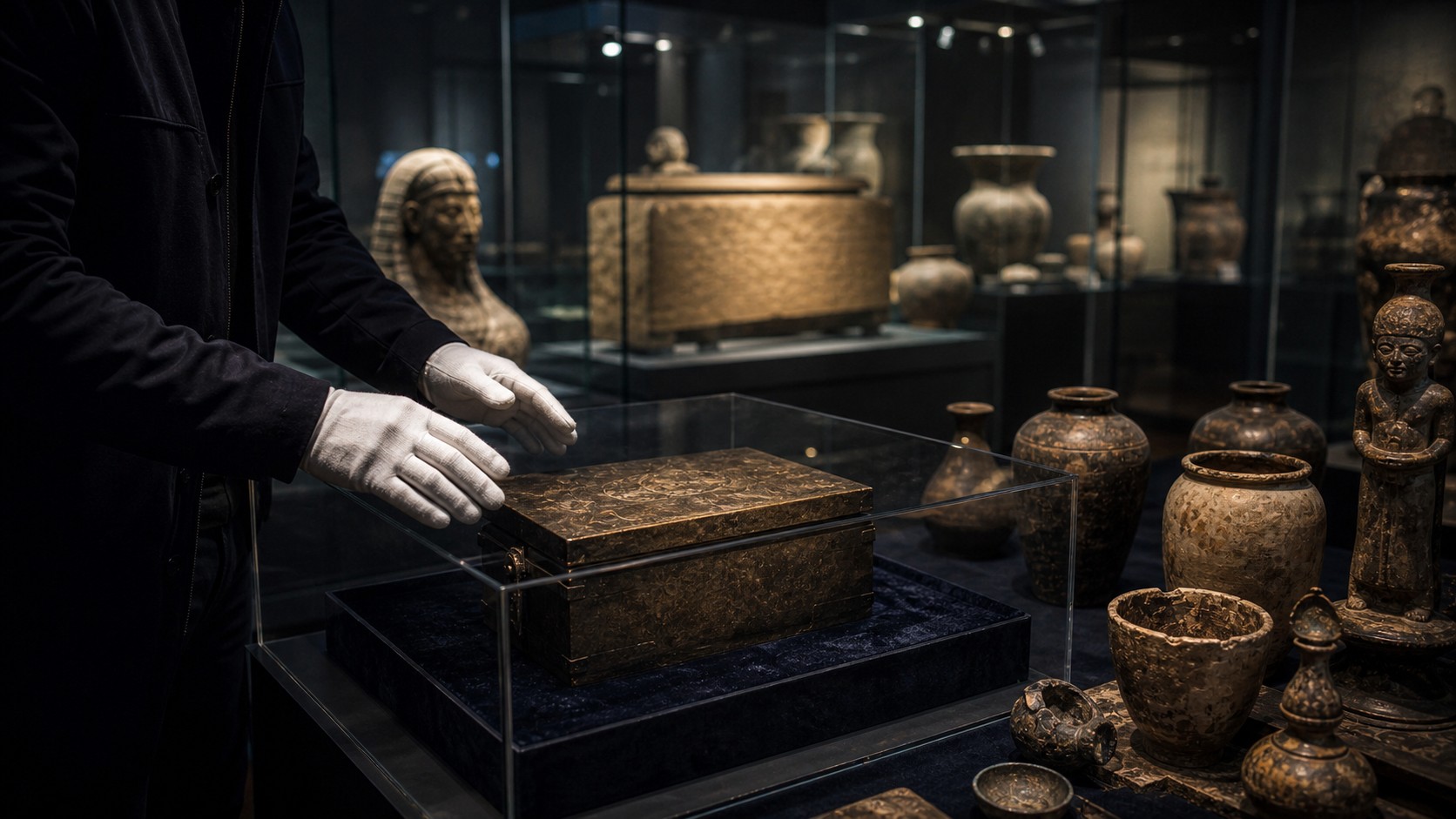
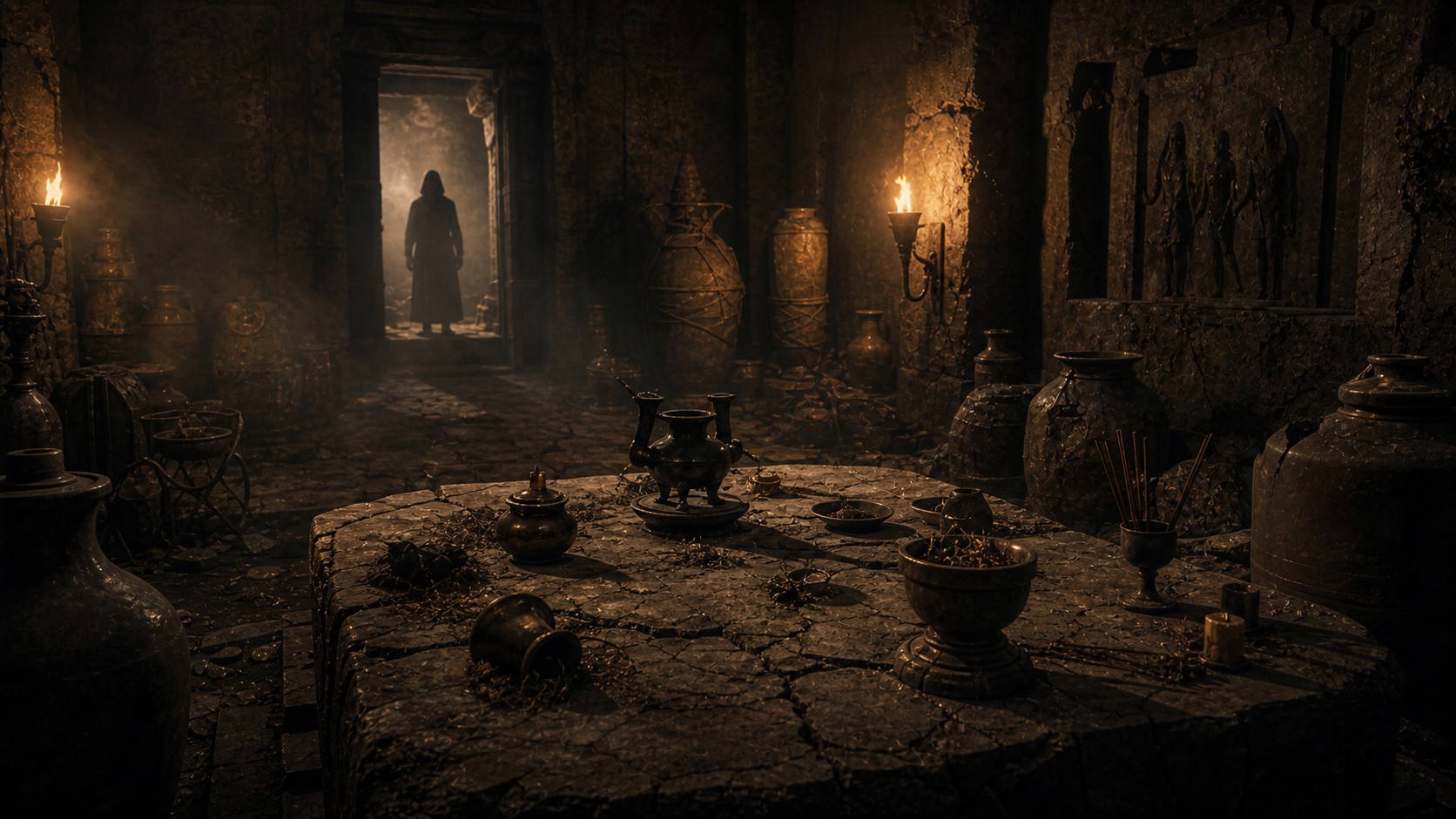
Tomb curses are among the most famous because graves were vulnerable. Once mourners left, the dead depended on memory, ritual, and fear for protection. Valuables, offerings, and bodies could be disturbed by thieves or enemies. A curse warned that the grave was not undefended just because it was quiet.
These curses also protected relationships between the living and the dead. A tomb was not simply a storage place. It was a site of obligation. To rob or violate it was to attack memory, ancestry, and the hope that the dead would remain properly settled.
Oaths and Broken Trust
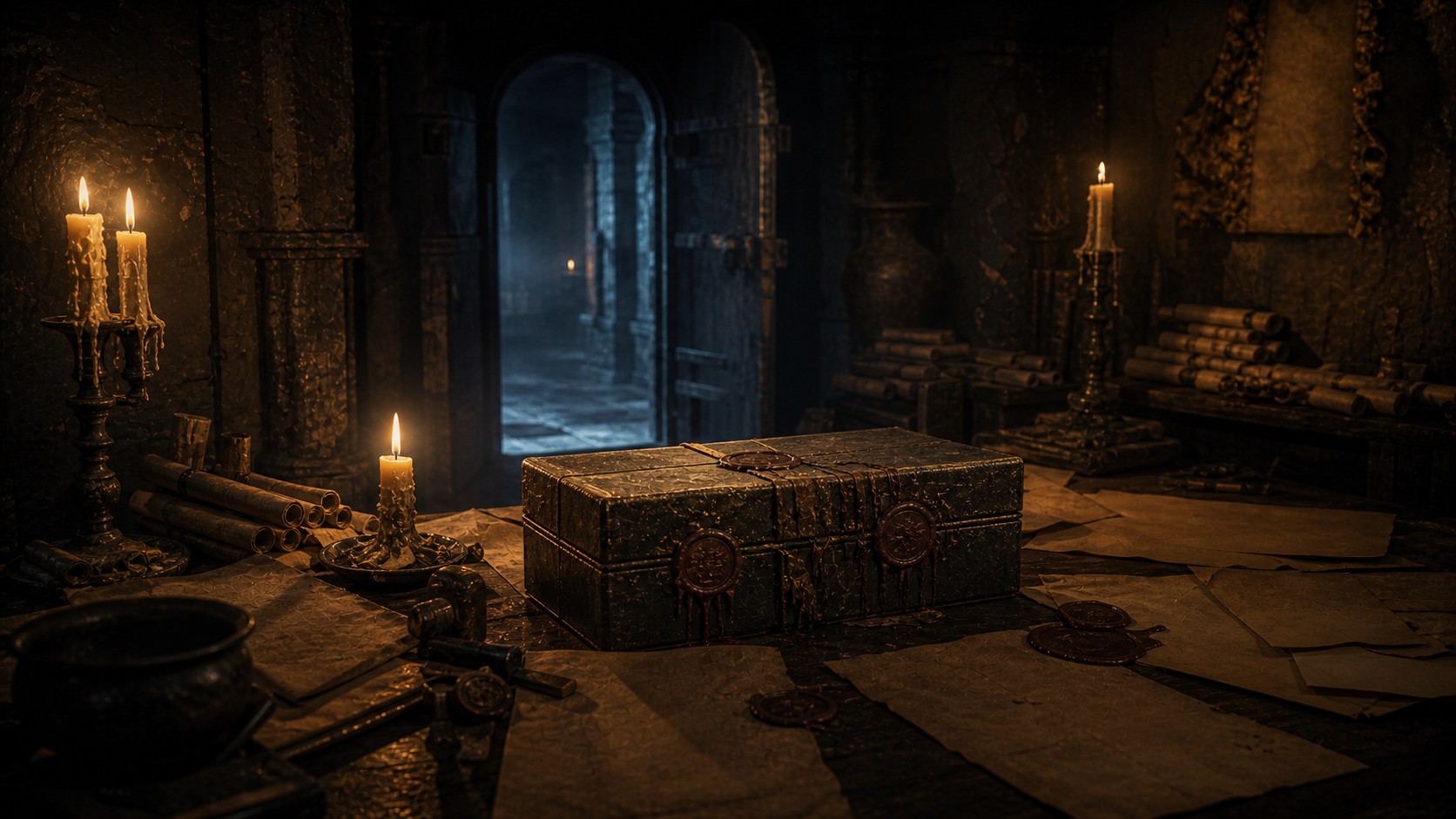
Ancient curses often surrounded oaths because promises needed force. A person could swear loyalty, repay debt, honor a treaty, preserve testimony, or respect a boundary, but human witnesses might be absent or corrupt. A curse made the promise accountable to powers beyond the immediate room.
This gave social trust a supernatural edge. The oath breaker was not only dishonest; they had invited consequence. The curse made betrayal feel dangerous even when the betrayal was hidden.
That fear could stabilize agreements, but it could also intensify conflict. A cursed oath turned a dispute into a sacred danger. The words raised the stakes for everyone involved.
Curses for the Powerless
Curses were sometimes weapons for people without political strength. Someone wronged by a superior, cheated in a deal, abandoned by a lover, or harmed without legal remedy might turn to ritual language. The curse gave anger a formal shape when ordinary justice seemed unavailable.
This origin is dark because it reveals social imbalance. The curse could be an act of desperation, not only malice. It expressed the hope that some hidden power would hear what human authority ignored.
Ritual Materials and Fear
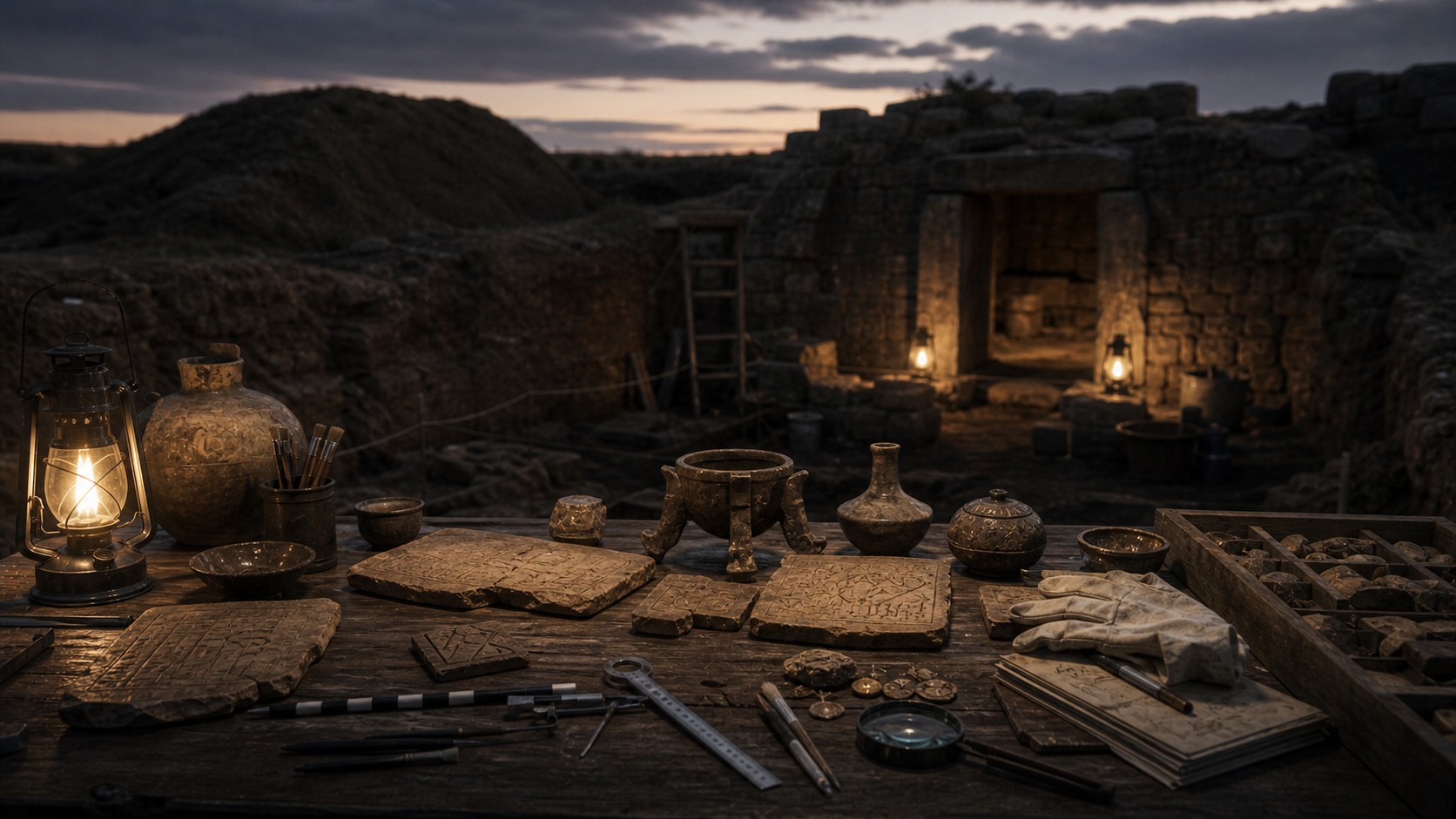
Ancient curses often involved materials: tablets, knots, figurines, vessels, names, offerings, bindings, or buried objects. These materials made the curse feel concrete. Fear became something that could be handled, hidden, sealed, or placed near the target.
Material ritual also helped the curse survive in memory. A spoken insult fades quickly, but a buried object or inscribed tablet suggests intention. It gives later observers a physical trace of fear, anger, or protection.
The material side of curses also shows that they were not always spontaneous. They could require preparation, knowledge, and setting. That made them feel more serious than ordinary speech.
Why Curses Feel Dark
Ancient curses feel dark because they imagine suffering as deserved consequence. Illness, infertility, crop failure, nightmares, public shame, or family ruin might be framed as the result of an offense. This creates a frightening moral logic in which misfortune is never entirely random.
That logic could comfort victims by promising justice, but it could also burden sufferers with suspicion. If misfortune was read as curse or punishment, people might search for blame where none existed. The same idea that protected boundaries could also deepen fear.
What Curse Origins Reveal
The origins of ancient curses reveal societies trying to enforce rules across distance, secrecy, death, and unequal power. They show what people feared losing: property, honor, burial peace, social trust, divine favor, and memory.
They also reveal the emotional force of language. A curse could make a boundary feel guarded, a promise feel dangerous to break, and a grave feel watched. Whether modern readers believe in the curse is less important than understanding why people used it.
Ancient curses were dark because they joined justice and dread. They promised that actions mattered even when no one seemed to see them. That promise could protect the vulnerable, frighten the guilty, and make the world feel morally charged in ways that ordinary law could not always manage.