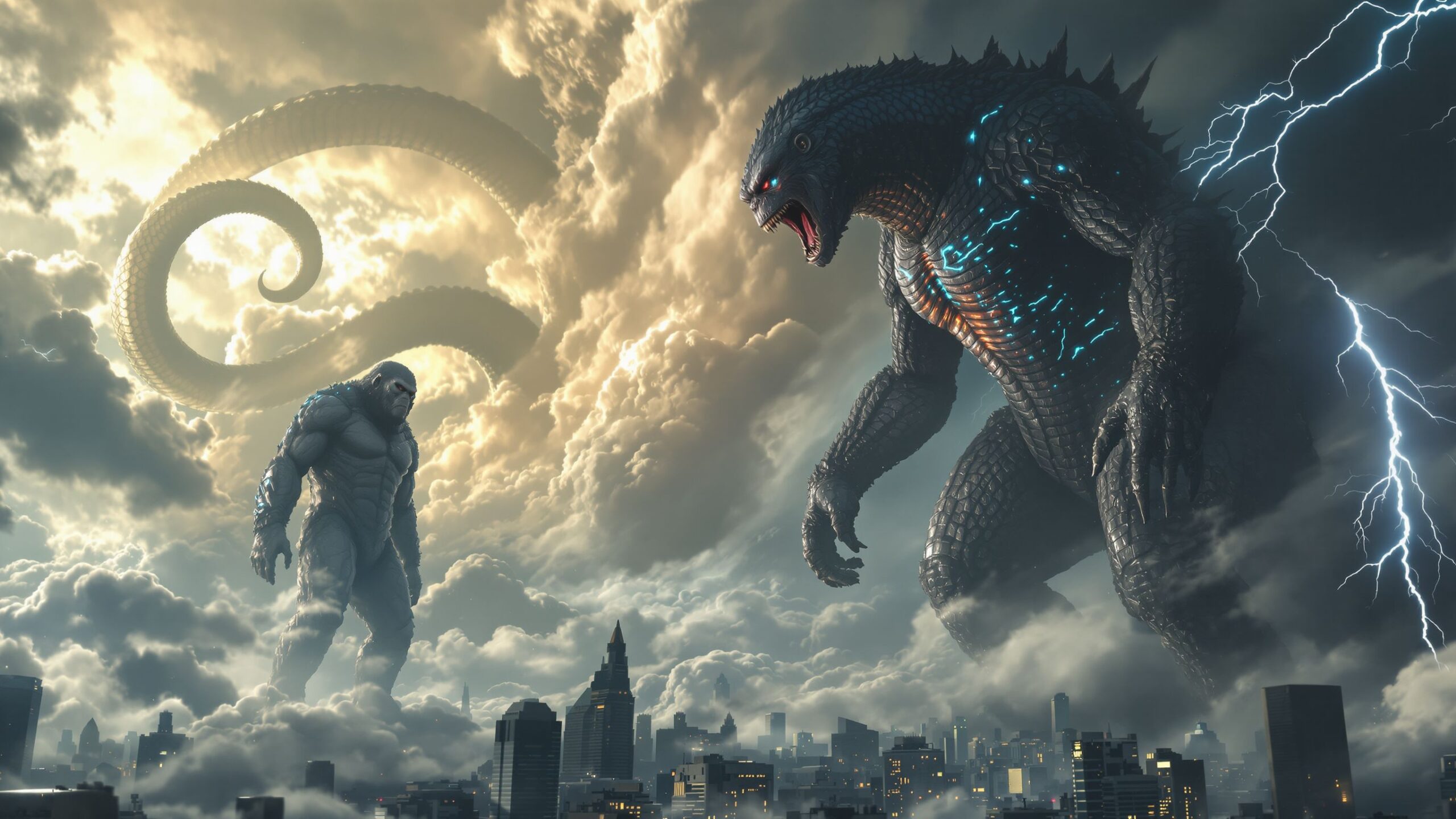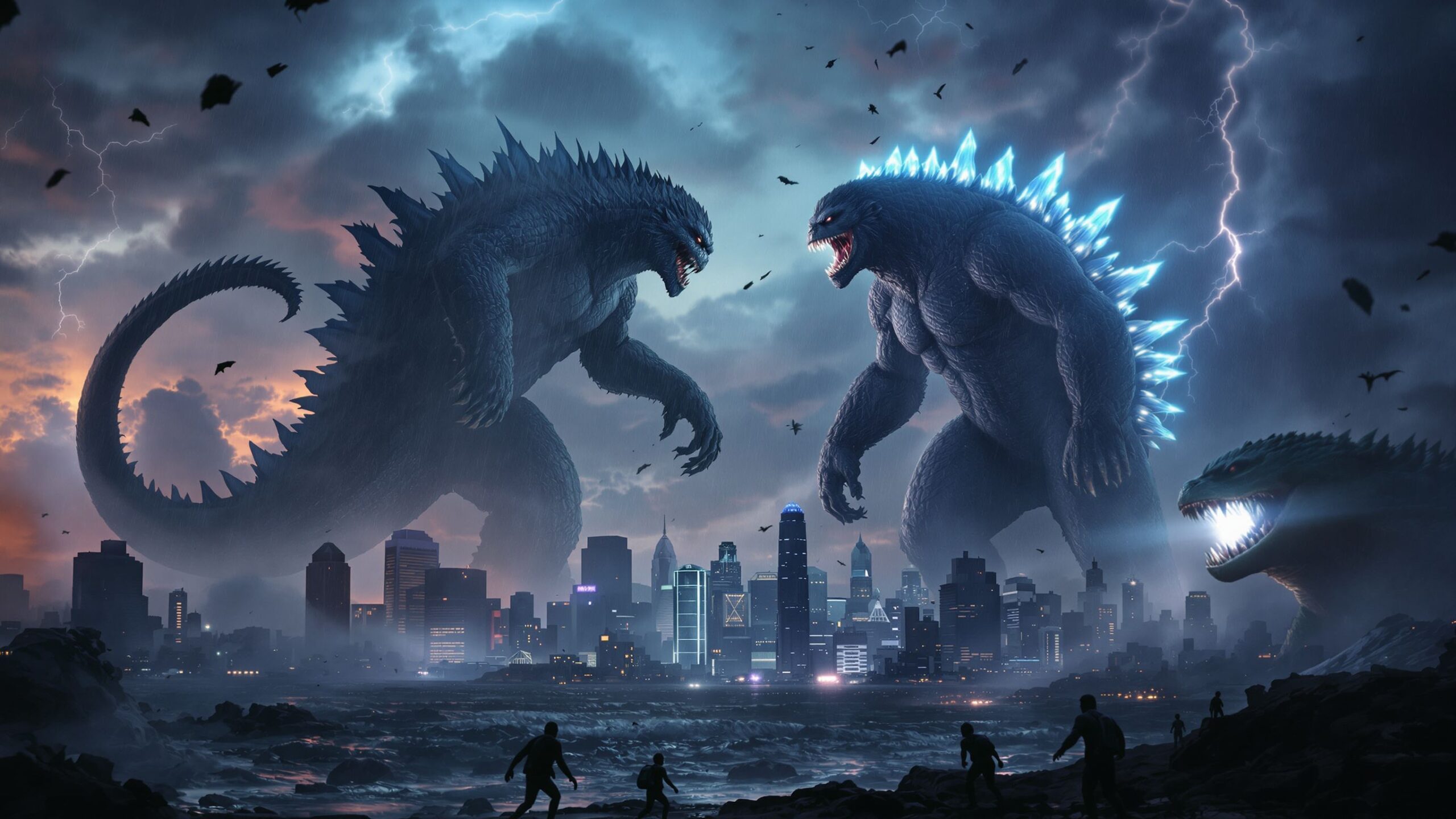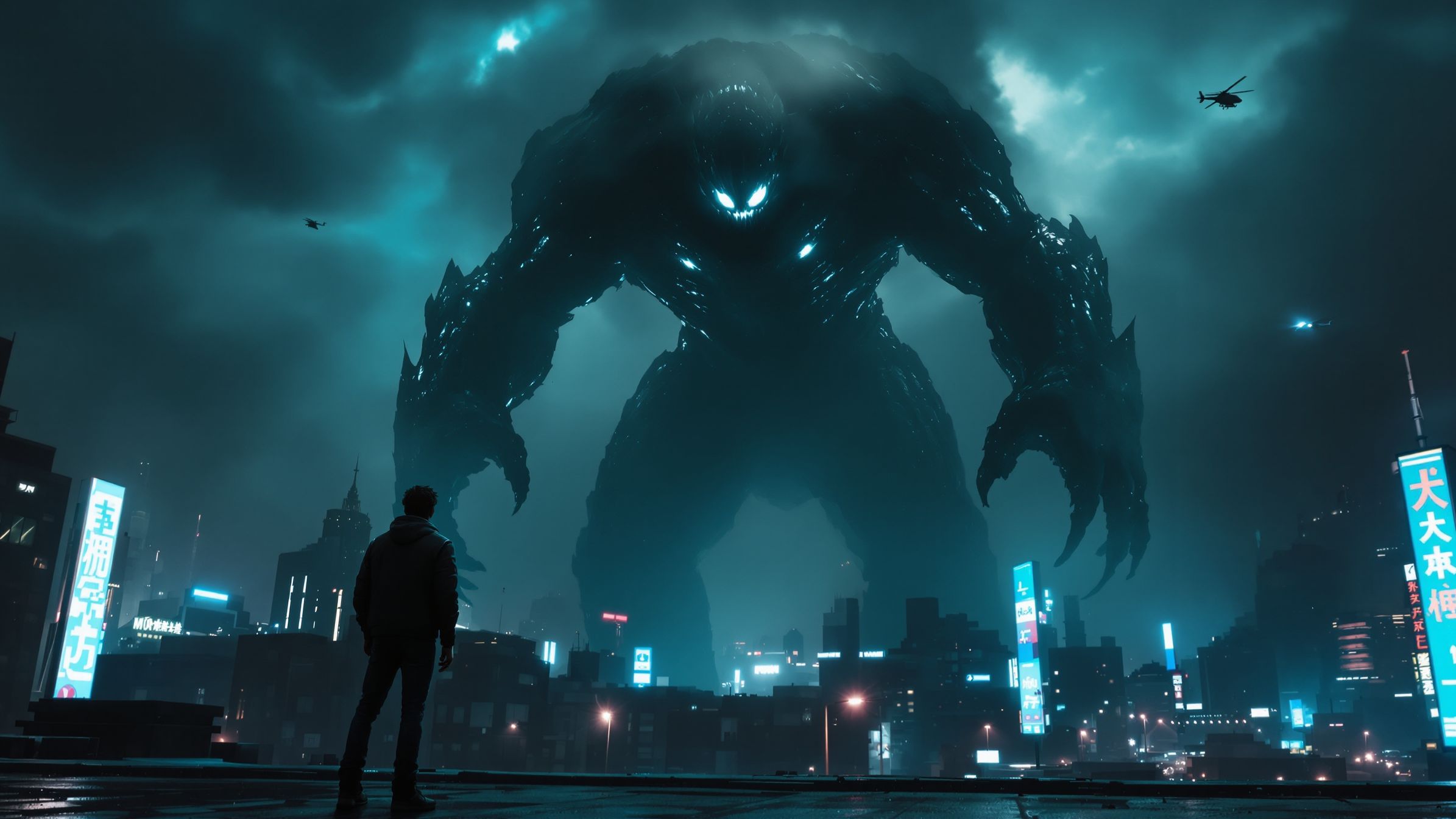
From the earliest myths whispered in ancient civilizations to the thunderous blockbusters of modern cinema, giant monsters have held a powerful grip on the human imagination. These towering beings—whether they emerge from oceans, descend from the skies, or rise from the depths of forgotten worlds—tap into something deeply primal within us. They are more than just creatures; they are symbols, fears, fantasies, and reflections of humanity itself. The fascination with giant monsters is not a passing trend but a timeless phenomenon rooted in psychology, culture, and the very nature of storytelling.
A: Because they combine fear, awe, symbolism, spectacle, and the thrill of facing something impossible.
A: They often represent nature, disaster, war, greed, technology, chaos, or humanity’s fear of losing control.
A: Almost every culture has tried to explain danger, mystery, and overwhelming natural forces through stories.
A: Monster stories let people experience fear safely while enjoying suspense, imagination, and adventure.
A: No. Many are protectors, victims, warnings, tragic figures, or forces of nature rather than simple villains.
A: They turn modern civilization into a dramatic stage where human confidence is tested.
A: A strong design, emotional meaning, iconic sound, clear symbolism, and unforgettable scale.
A: Deep water hides danger, making sea monsters feel mysterious, ancient, and impossible to fully understand.
A: Yes. They often reflect fears about disaster, technology, climate, war, loneliness, and survival.
A: Because every generation finds new fears that feel enormous enough to become monsters.
The Psychology of Awe and Fear
At the heart of humanity’s obsession with giant monsters lies a powerful emotional combination: awe and fear. Psychologists often describe awe as a feeling experienced when encountering something vast that challenges our understanding of the world. Giant monsters embody this perfectly. Their immense size defies normal expectations, forcing the human mind to grapple with something beyond its usual scale.
Fear, on the other hand, is equally important. Giant monsters represent threats that are impossible to ignore or easily defeat. They tap into survival instincts that have been part of human biology for thousands of years. When early humans encountered predators larger and stronger than themselves, fear became a necessary response for survival. Giant monsters amplify that instinct to an extreme, creating creatures that are not just dangerous but overwhelmingly so.
This blend of awe and fear creates a unique emotional experience. It is terrifying, yet captivating. It pushes us to the edge of our comfort zones while keeping us safely removed through storytelling. That is why audiences can watch a city crumble beneath a massive creature and feel both dread and excitement at the same time.
Ancient Roots of Giant Monster Fascination
The fascination with colossal beings can be traced back to ancient mythologies around the world. Long before modern entertainment, humans used stories of giant monsters to explain natural phenomena and express cultural beliefs.
In Greek mythology, massive creatures like the Titans and Typhon represented chaos and the raw forces of nature. These beings were often depicted as enemies of the gods, embodying destruction and disorder that needed to be controlled.
Similarly, in Norse mythology, giants known as Jötnar played a central role in cosmic conflict. They were not always evil, but they represented a powerful and unpredictable force that existed outside the structured world of the gods. Creatures like Jörmungandr, the world serpent, emphasized the idea that some beings were so vast they could shape the very boundaries of existence.
These myths were not just stories—they were frameworks for understanding the world. Giant monsters gave form to abstract fears such as storms, earthquakes, and the unknown. By turning these fears into tangible creatures, humans could better comprehend and cope with them.
The Role of Giant Monsters in Storytelling
Storytelling has always relied on conflict, and giant monsters provide some of the most dramatic and visually striking conflicts imaginable. Their sheer scale raises the stakes instantly. When a giant monster appears, the threat is no longer personal or local—it becomes global.
This is one reason why giant monsters remain so effective in modern narratives. They create scenarios where humanity must confront forces far beyond its control. Whether it is a lone hero facing an impossible challenge or entire civilizations struggling to survive, these stories resonate because they reflect real human experiences on a grand scale.
Characters like King Kong demonstrate how giant monsters can also carry emotional depth. Kong is not just a destructive force; he is a tragic figure caught between worlds. His story explores themes of isolation, misunderstanding, and the consequences of human interference.
Similarly, Godzilla has evolved from a symbol of destruction into a complex character that sometimes protects humanity. This shift shows how giant monsters can adapt to different storytelling needs, becoming villains, heroes, or something in between.
Symbolism and Cultural Meaning
Giant monsters often serve as powerful symbols that reflect the concerns and values of the societies that create them. In ancient times, they represented natural disasters and divine punishment. In modern times, they often symbolize technological fears, environmental issues, and global crises.
The original Godzilla is a prime example of this. Created in the aftermath of nuclear bombings, Godzilla represented the destructive power of nuclear weapons and the fear of uncontrollable technology. The monster’s rampage through cities mirrored real-world devastation, making it both a terrifying and deeply meaningful figure.
In more recent interpretations, giant monsters are sometimes portrayed as guardians of the natural world. They rise in response to environmental damage, acting as forces of balance rather than pure destruction. This reflects growing concerns about climate change and humanity’s impact on the planet.
These symbolic roles allow giant monsters to remain relevant across generations. They are not static creatures; they evolve alongside human fears and aspirations.
The Power of Scale and Spectacle
One of the most obvious reasons for the appeal of giant monsters is their visual impact. There is something inherently fascinating about watching a creature that dwarfs buildings, reshapes landscapes, and defies the limits of reality.
This fascination with scale is deeply rooted in human perception. We are naturally drawn to things that are larger than life because they challenge our understanding of size and proportion. Giant monsters push this concept to its extreme, creating spectacles that are both thrilling and humbling.
In film, this sense of scale is often emphasized through contrast. Tiny human figures running through massive destruction highlight the overwhelming power of the creature. The audience experiences a sense of vulnerability, even from the safety of their seats.
Advancements in technology have only enhanced this effect. Modern visual effects allow for incredibly detailed and realistic monsters, making their presence feel tangible. This realism increases emotional engagement, making the experience even more immersive.
The Appeal of the Unknown
Giant monsters also represent the unknown, which has always been a source of fascination for humans. Whether they come from deep oceans, outer space, or hidden dimensions, these creatures embody mysteries that have yet to be understood.
The ocean, for example, has long been associated with giant creatures due to its vastness and depth. Even today, much of the ocean remains unexplored, leaving room for imagination. Stories of massive sea monsters tap into this sense of mystery, suggesting that there may be things lurking just beyond our reach.
Similarly, giant monsters from space or other worlds reflect humanity’s curiosity about the universe. They represent possibilities that extend beyond our current knowledge, fueling both fear and wonder.
This connection to the unknown makes giant monsters endlessly intriguing. They are not just creatures—they are gateways to imagination.
Control, Power, and Human Perspective
Another reason for our fascination with giant monsters is the way they shift our perspective on control and power. Humans are used to being the dominant force on Earth, shaping the environment and controlling most aspects of life. Giant monsters challenge that dominance.
When faced with a creature that cannot be controlled or defeated easily, humanity is forced into a position of vulnerability. This reversal is both unsettling and compelling. It allows audiences to explore what it means to lose control and confront forces beyond human capability.
At the same time, these stories often include moments of triumph, where humans find ways to adapt, survive, or even coexist with these creatures. This reinforces a sense of resilience and ingenuity, offering a balance between fear and hope.
The Evolution of Giant Monsters in Pop Culture
As pop culture has evolved, so too have giant monsters. They have moved beyond simple antagonists to become complex characters with their own motivations and personalities.
Franchises featuring Godzilla and King Kong have expanded into shared universes, where these creatures interact and coexist. This has created a new layer of storytelling, where giant monsters are part of a larger ecosystem rather than isolated threats.
Video games, comics, and television shows have also contributed to this evolution, offering new ways to experience these creatures. Players can now take on the role of giant monsters, exploring their power from a completely different perspective.
This shift reflects a broader trend in storytelling, where audiences are interested in exploring multiple viewpoints and complex narratives.
Emotional Connection and Empathy
One of the most surprising aspects of giant monster fascination is the ability of these creatures to evoke empathy. Despite their size and destructive potential, many giant monsters are portrayed in ways that make them relatable.
Characters like King Kong are often depicted as misunderstood beings, reacting to human actions rather than acting out of pure malice. This creates a sense of sympathy, allowing audiences to connect with the creature on an emotional level.
Even Godzilla has been portrayed as a protector, defending the Earth from other threats. These interpretations challenge the traditional idea of monsters as purely evil, adding depth and complexity to their roles.
This emotional connection enhances the overall experience, making giant monster stories more than just spectacles. They become narratives about relationships, conflict, and understanding.
Why the Fascination Endures
The enduring appeal of giant monsters lies in their ability to adapt and remain relevant. They are not tied to a specific time or place; they can evolve to reflect changing cultural values and concerns.
At their core, giant monsters tap into fundamental aspects of human nature: curiosity, fear, awe, and imagination. They challenge our perceptions, push the boundaries of storytelling, and provide a safe way to explore powerful emotions.
As long as humans continue to wonder about the unknown and imagine worlds beyond their own, giant monsters will remain a part of our stories. They will rise from the depths of mythology and step onto the stages of modern media, continuing to captivate audiences with their immense presence and endless possibilities. In the end, giant monsters are not just creatures—they are reflections of who we are, what we fear, and what we dream.