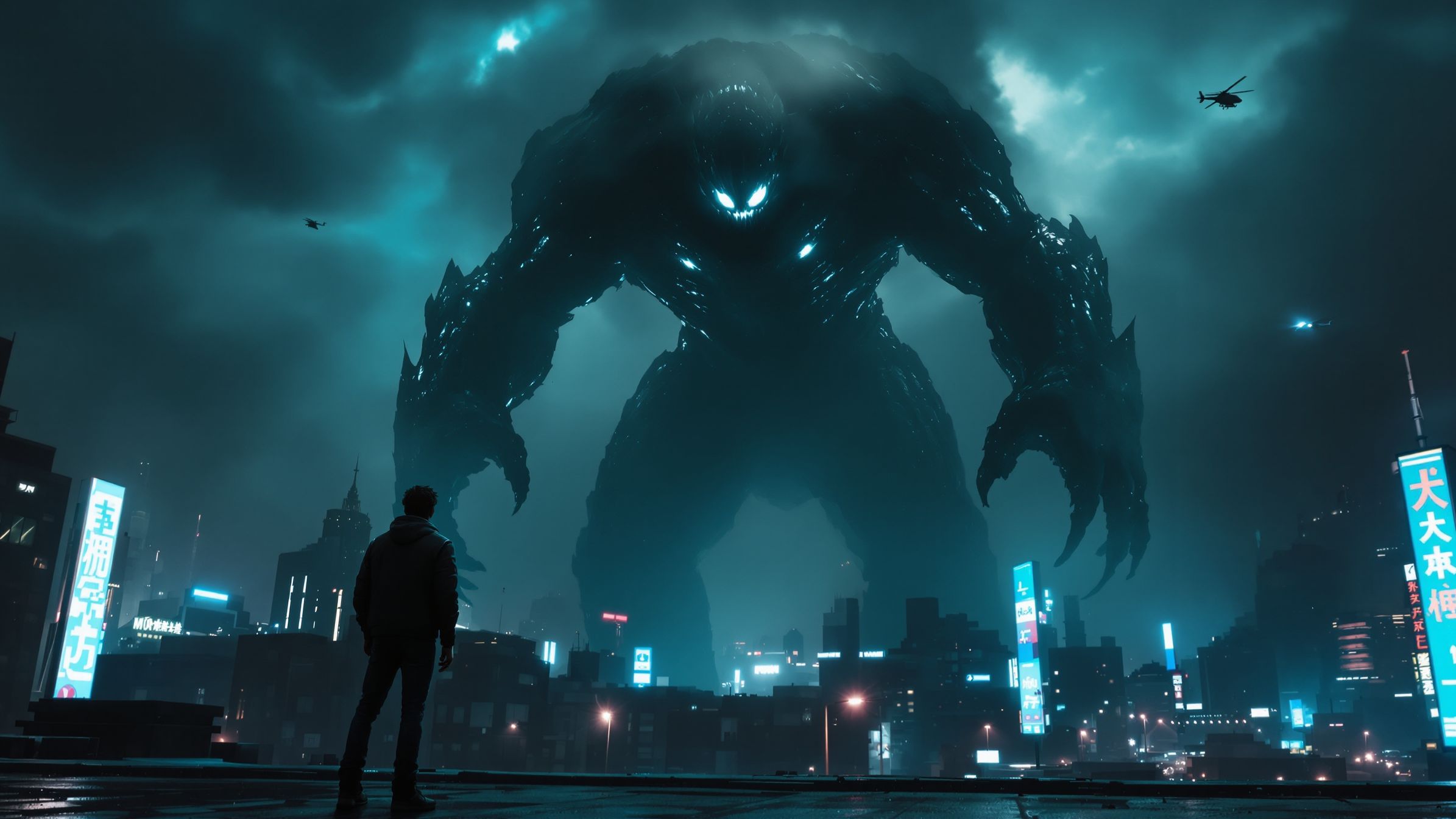
Throughout human history, imagination has consistently pushed the boundaries of scale, creating monsters so enormous that they defy logic and overwhelm the senses. From ancient myths describing creatures that could encircle the world to modern cinematic titans towering over entire cities, the idea of “bigger” has always fascinated storytellers. These colossal beings are not just large—they are impossibly vast, existing at a scale that transforms landscapes, challenges physics, and reshapes narratives. The largest monsters ever imagined represent the ultimate expression of awe, fear, and creative ambition.
A: Jörmungandr, the World Serpent, is often considered one of the largest, as it encircles the Earth.
A: Some cosmic creatures in film and fiction are depicted as planet-sized or even larger.
A: Advances in technology and storytelling allow creators to imagine and display larger, more spectacular creatures.
A: No, most are physically impossible, but they work as powerful symbols and entertainment.
A: Their size makes even simple movements cause massive damage.
A: Not always; some ignore humans or act defensively rather than aggressively.
A: Scale comparison, environmental impact, sound design, and slow, powerful movement.
A: The ocean’s vastness allows imagination to create creatures without visible limits.
A: They often symbolize nature, chaos, cosmic power, or humanity’s limits.
A: They deliver awe, spectacle, fear, and the thrill of witnessing something unimaginably large.
Mythological Giants That Defined Scale
Long before modern technology allowed for visual spectacle, ancient cultures envisioned creatures of extraordinary size. These mythological monsters often existed on a cosmic scale, influencing entire worlds rather than individual regions.
In Norse mythology, the Midgard Serpent, Jörmungandr, is perhaps one of the most extreme examples of size in mythology. This colossal serpent was said to be so large that it could wrap around the entire Earth, biting its own tail. Its existence blurred the line between creature and environment, as it became a literal boundary of the world itself.
Similarly, in Greek mythology, giants and Titans were often described as towering beings capable of reshaping the landscape. While not always planet-sized, their scale was immense enough to challenge the gods and alter the natural order.
In other cultures, cosmic creatures appeared as embodiments of creation and destruction. Some myths describe beings so large that they existed before the world itself, forming mountains, oceans, and skies with their bodies. These stories highlight humanity’s early attempts to grapple with the vastness of existence.
Sea Monsters and the Depths of Imagination
The ocean has always been a fertile ground for imagining enormous creatures. Its depth, darkness, and mystery make it the perfect setting for monsters of unimaginable size.
Legends of sea serpents and leviathans appear across cultures, often describing creatures capable of sinking ships and creating massive waves. These monsters were not just large—they were forces of nature, capable of altering entire ecosystems.
The idea of the Leviathan, for example, represents a creature so immense that it dominates the ocean itself. While interpretations vary, it is often depicted as a massive serpent or dragon, embodying chaos and power.
Even today, the ocean remains largely unexplored, leaving room for speculation and imagination. This enduring mystery continues to inspire stories of gigantic sea creatures lurking beneath the surface.
The Birth of Cinematic Titans
The transition from mythology to film marked a significant shift in how giant monsters were imagined and experienced. With the advent of cinema, creators could bring these colossal beings to life in ways that were previously impossible.
The introduction of King Kong in the film King Kong showcased a creature that, while not planet-sized, was enormous enough to dominate an entire city. Kong’s climb up the Empire State Building became an iconic image, emphasizing both his size and his vulnerability.
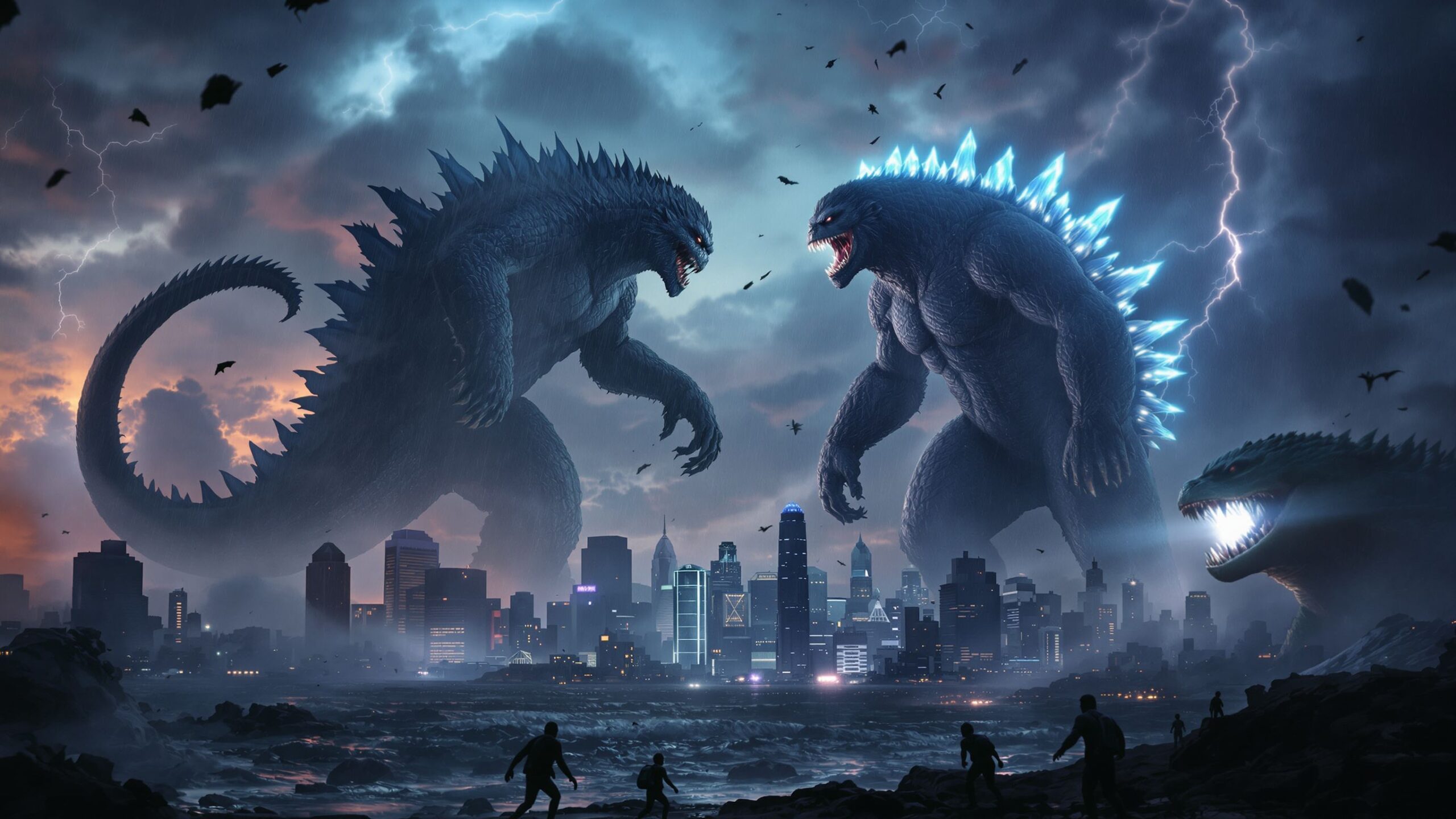
Later, Godzilla redefined the concept of scale in cinema. Originally portrayed as a towering force of destruction, Godzilla’s size has evolved over time, growing larger with each new interpretation. In modern films, the creature reaches heights that rival skyscrapers, turning entire cities into battlegrounds.
These cinematic titans introduced a new level of spectacle, allowing audiences to witness the full impact of giant monsters in action.
Monsters That Reach Beyond Earth
As storytelling expanded into science fiction, the scale of monsters grew even more extreme. Creatures were no longer limited to Earth—they could exist in space, across dimensions, or even at a cosmic level.
Some fictional monsters are depicted as being larger than planets, capable of consuming entire worlds. These beings blur the line between monster and cosmic entity, representing forces that exist on a universal scale.
In certain stories, monsters are not just large—they are infinite or incomprehensible. Their true size cannot be measured because it extends beyond human perception. These concepts push the boundaries of imagination, exploring what it means to exist at a scale beyond reality.
The Evolution of Size in Modern Franchises
Modern franchises have continued to push the limits of monster size, using advanced technology to create increasingly massive creatures. Shared cinematic universes allow for direct comparisons between different monsters, leading to an escalation in scale.
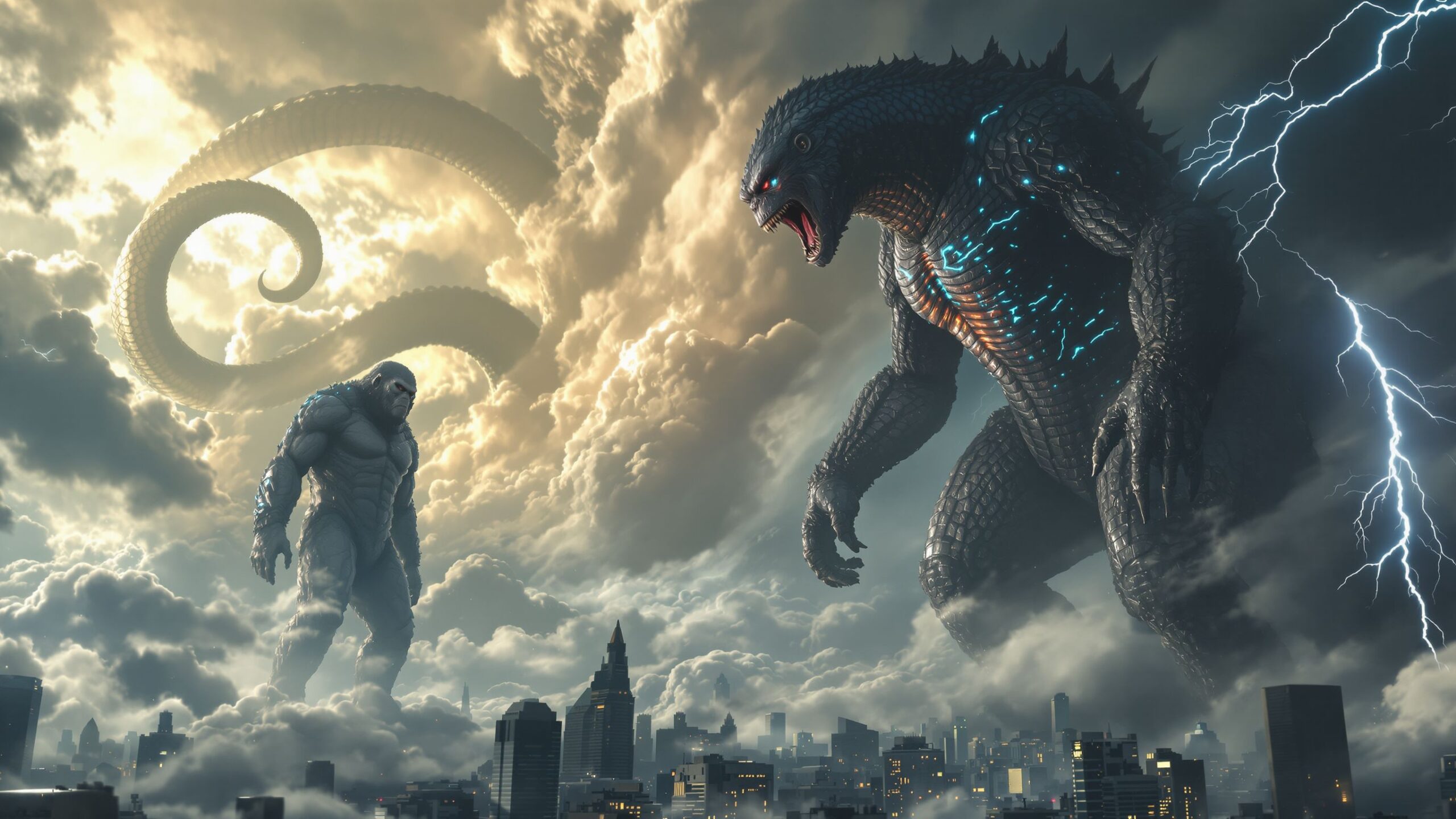
Films featuring Godzilla and King Kong often highlight the differences in their size and abilities, creating epic confrontations that emphasize their immense proportions.
At the same time, new monsters are introduced with unique designs and scales, ensuring that the concept of “largest” continues to evolve. Each new iteration raises the bar, challenging creators to imagine even bigger and more impressive creatures.
The Impact of Technology on Monster Scale
Advancements in visual effects have played a crucial role in bringing giant monsters to life. Early films relied on practical effects and miniatures, which limited the scale that could be realistically depicted.
Today, digital technology allows for virtually unlimited possibilities. Monsters can be as large as the story demands, with intricate details and lifelike movements. This has enabled filmmakers to create scenes that would have been impossible in the past, from city-wide destruction to battles between titans.
The ability to visualize these creatures in such detail enhances their impact, making their size feel more real and immersive.
Why Bigger Always Captivates
There is something inherently captivating about size. Larger-than-life creatures challenge our understanding of the world, forcing us to reconsider our place within it. They create a sense of wonder that is difficult to replicate with smaller-scale stories.
Giant monsters also provide a unique form of escapism. They allow audiences to experience scenarios that are far removed from everyday life, exploring worlds where the impossible becomes reality.
At the same time, they evoke a sense of humility. When faced with something so vast, human concerns seem small by comparison. This perspective can be both unsettling and strangely comforting.
The Endless Expansion of Imagination
The largest monsters ever imagined are not confined to a single era or medium. They continue to evolve, growing in size and complexity as new stories are told. Whether they are rooted in ancient mythology or brought to life through cutting-edge technology, these creatures represent the limitless potential of human imagination.
From the world-encircling serpent of Norse mythology to the towering presence of Godzilla, the concept of scale has always been central to the appeal of giant monsters. Each new creation builds on the legacy of those that came before, pushing the boundaries of what is possible.
A World Where Size Knows No Limits
In the end, the largest monsters ever imagined are more than just impressive feats of creativity—they are reflections of humanity’s desire to explore the extremes. They challenge us to think bigger, dream bolder, and imagine worlds beyond our own.
As storytelling continues to evolve, there is no limit to how large these monsters can become. They may grow to encompass entire planets, galaxies, or even universes, redefining the concept of scale with each new iteration.
What remains constant is the sense of awe they inspire. No matter how large they become, giant monsters will always remind us of the power of imagination and the endless possibilities it holds.