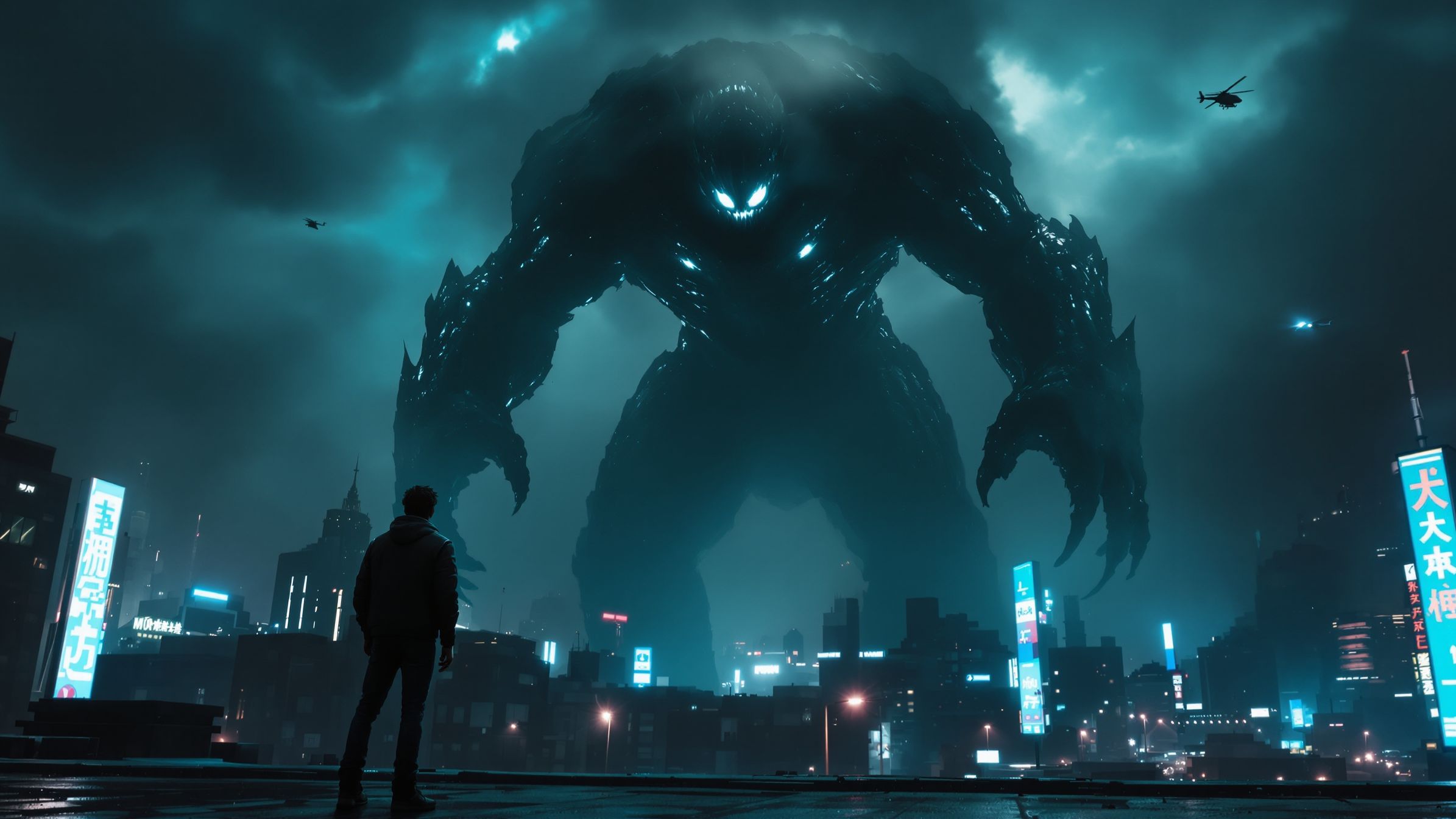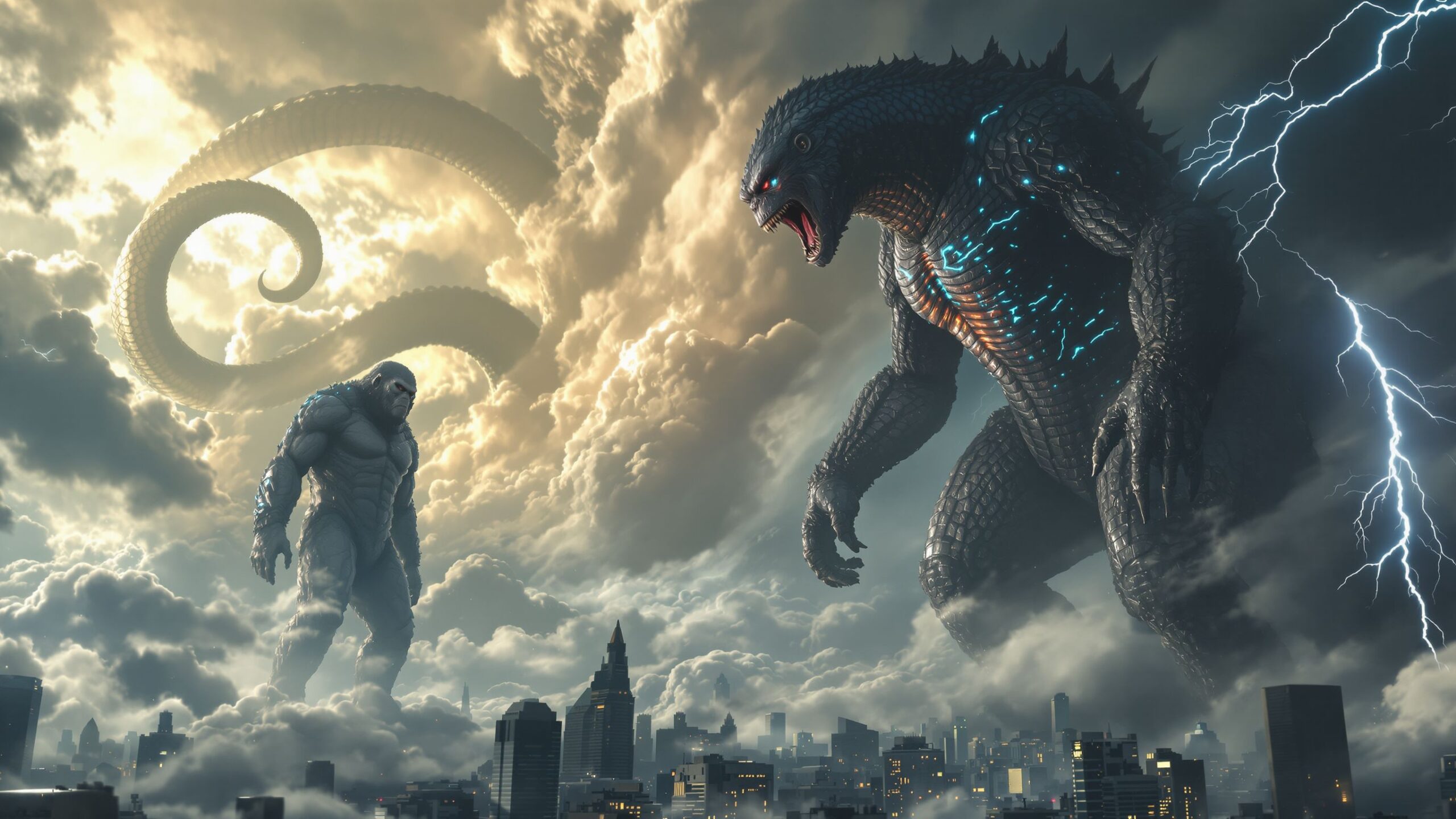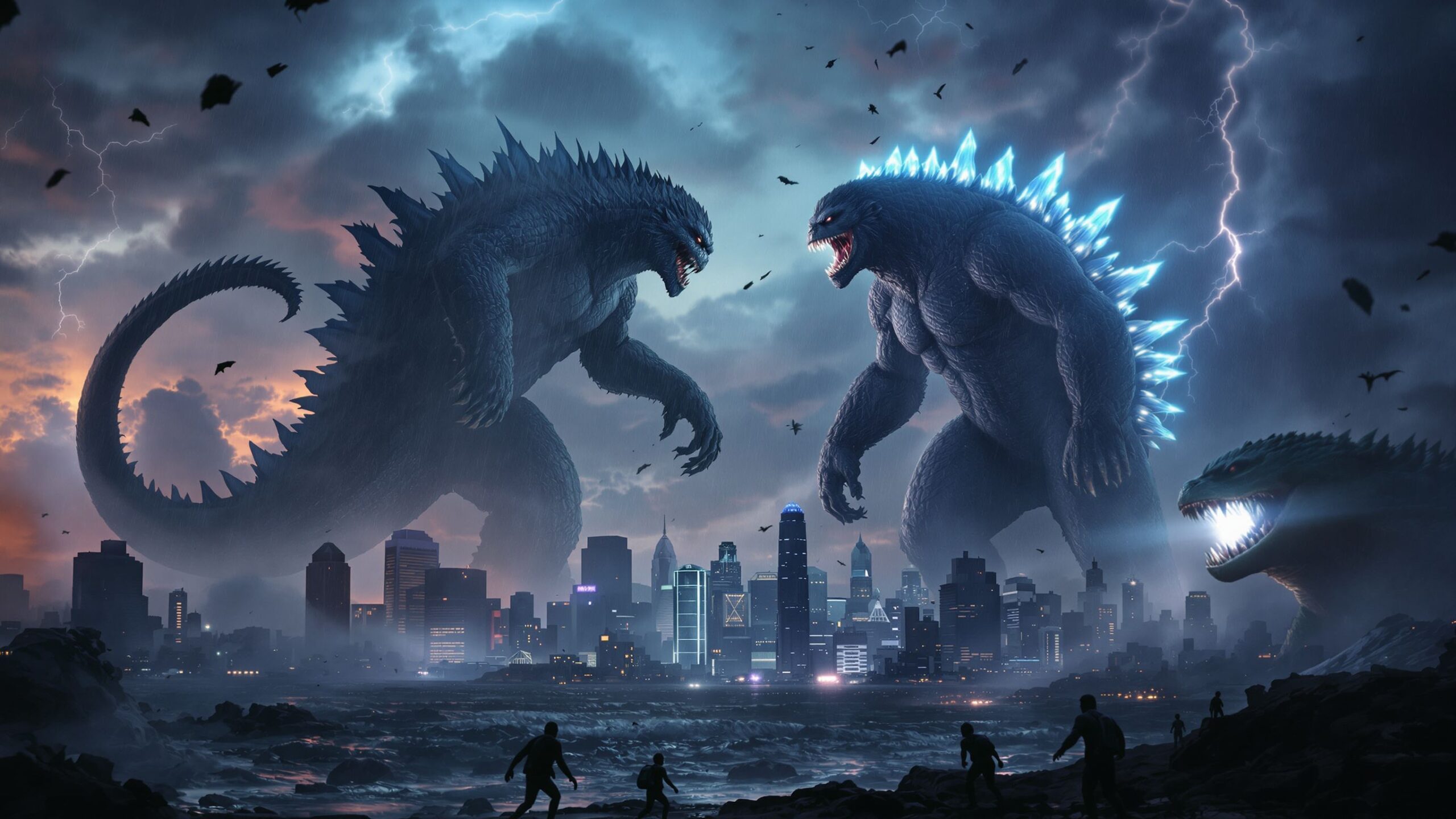
Giant monsters have captivated human imagination for thousands of years, towering over civilizations both real and fictional as symbols of fear, power, mystery, and sometimes even protection. From ancient mythological beasts whispered about around fires to cinematic titans that dominate modern blockbuster screens, these colossal creatures reflect humanity’s deepest anxieties and grandest fantasies. They embody the unknown forces of nature, the chaos beyond human control, and the awe-inspiring scale of worlds far bigger than ourselves. Across cultures and eras, giant monsters have evolved, but their core appeal remains the same: they make us feel small, vulnerable, and irresistibly fascinated.
A: Godzilla is one of the most famous, known worldwide as the king of giant monsters.
A: A kaiju is a giant monster, especially one from Japanese monster films and related media.
A: He is often both: terrifying in size, but sympathetic because he is misunderstood and exploited.
A: The Kraken is a legendary sea monster usually imagined as a colossal tentacled creature.
A: Yes, especially when portrayed as massive, destructive, ancient, or world-threatening creatures.
A: In stories, city destruction shows how powerless human civilization can be against overwhelming forces.
A: They can symbolize nature, war, greed, punishment, fear, trauma, or humanity’s loss of control.
A: Not exactly. Giants come from folklore and myth, while kaiju are usually modern giant monster creatures.
A: Oceans are vast, dangerous, and mysterious, making them perfect settings for legendary beasts.
A: They offer huge spectacle, deep symbolism, thrilling danger, and the excitement of facing the impossible.
The Origins of Giant Monsters in Ancient Mythology
Long before cinema and digital effects, ancient civilizations created enormous creatures to explain the unexplainable. Natural disasters, eclipses, storms, and earthquakes were often attributed to the actions of massive beings lurking beyond human sight. These early monsters were not just entertainment—they were woven into belief systems, serving as warnings, lessons, and explanations.
In Greek mythology, creatures like the Titan Typhon stood as embodiments of chaos and destruction. Described as a serpentine giant capable of challenging even the gods, Typhon symbolized the uncontrollable forces of nature. Similarly, the multi-headed Hydra terrorized heroes with its regenerative abilities, reinforcing the idea that some problems could not be easily defeated.
In Norse mythology, the Midgard Serpent, Jörmungandr, encircled the world itself, biting its own tail. This colossal creature represented both the boundaries of existence and the inevitability of destruction during Ragnarök. The idea of a creature so large it could surround the entire planet speaks to humanity’s enduring fascination with scale and cosmic power.
Meanwhile, in ancient Mesopotamian tales like the Epic of Gilgamesh, monstrous beings such as Humbaba guarded sacred forests, representing both the fear of the unknown wilderness and the consequences of human arrogance. These mythological giants were not just villains—they were guardians, symbols, and forces that demanded respect.
Eastern Legends and Colossal Beings
Across Asia, giant monsters took on equally compelling forms, often tied closely to spiritual beliefs and natural elements. In Japanese folklore, massive creatures frequently appeared as both destructive and protective forces, reflecting a cultural balance between chaos and harmony.
One of the most iconic figures to emerge from this tradition is Godzilla. Although a modern creation, Godzilla draws heavily from older myths of sea dragons and nature spirits. Originally introduced in the 1954 film Godzilla, the creature was a metaphor for nuclear devastation, rising from the ocean as a living embodiment of humanity’s technological fears.
In Chinese mythology, dragons are often depicted as enormous, serpentine beings that control water, weather, and fortune. Unlike Western dragons, these giants are typically benevolent, symbolizing strength, wisdom, and imperial power. Their massive size reflects their cosmic importance, bridging the heavens and the earth.
Indian mythology also features gigantic beings known as Rakshasas and Asuras, many of whom possessed immense size and supernatural abilities. These creatures often battled gods in epic tales, representing moral struggles and the duality of creation and destruction.
The Rise of Kaiju and Modern Monster Cinema
The 20th century marked a turning point in the evolution of giant monsters, as they transitioned from mythological storytelling into global pop culture phenomena. The emergence of kaiju films, particularly in Japan, introduced audiences to massive creatures that could level cities and battle each other in spectacular fashion.
Following the success of Godzilla, a wave of similar creatures emerged, including Mothra, Rodan, and King Ghidorah. These monsters were not just destructive forces—they became characters with personalities, rivalries, and even moral alignments. The genre transformed giant monsters into icons, blending horror, science fiction, and social commentary.
In the United States, the giant monster concept took a slightly different direction with films like King Kong. King Kong introduced a more emotional narrative, portraying the monster not just as a threat, but as a tragic figure. Kong’s story added depth to the genre, showing that even the most massive creatures could evoke empathy.
The modern era has expanded these universes further, with cinematic franchises bringing together legendary titans in shared worlds. Films featuring Godzilla and King Kong have reimagined these creatures with cutting-edge effects, turning them into larger-than-life symbols of power, survival, and balance.
Monsters as Metaphors for Human Fears
Giant monsters have always been more than just creatures—they are reflections of the fears and concerns of the societies that create them. In ancient times, they represented natural disasters and divine punishment. In the modern world, they often symbolize technological anxiety, environmental destruction, and the unintended consequences of human progress.
The original Godzilla was deeply influenced by the aftermath of nuclear bombings, with the creature serving as a metaphor for radiation and devastation. Its destructive rampage through cities mirrored the real-world horrors experienced during that era.
Similarly, many Western monster films from the mid-20th century featured creatures created by scientific experiments gone wrong. These stories reflected a growing unease about rapid technological advancement and humanity’s tendency to push boundaries without fully understanding the consequences.
Even today, giant monsters continue to evolve as metaphors. Modern interpretations often focus on environmental themes, portraying these creatures as guardians of the natural world reacting to human exploitation. They are no longer just villains—they are warnings.
The Appeal of Scale and Spectacle
One of the most compelling aspects of giant monsters is their sheer size. There is something inherently captivating about a creature that dwarfs skyscrapers, reshapes landscapes, and defies the limits of reality. This fascination with scale taps into a primal sense of awe, reminding us of our place in a vast and unpredictable universe.
In cinema, this sense of scale is often achieved through visual contrast. Tiny human figures running through collapsing cities emphasize the overwhelming power of these creatures. The destruction they cause is not just physical—it is emotional, forcing audiences to confront the fragility of human civilization.
Advancements in technology have only amplified this appeal. Modern visual effects allow filmmakers to create incredibly detailed and realistic monsters, making their presence feel tangible and immersive. The result is a viewing experience that is both thrilling and humbling.
Legendary Creatures from Around the World
While Hollywood and Japanese cinema dominate the modern monster landscape, giant creatures from global folklore continue to inspire stories and adaptations. Each culture brings its own interpretation of what a giant monster represents.
In Celtic mythology, massive sea serpents were said to inhabit the depths of the ocean, dragging ships into the abyss. In African folklore, enormous beasts often guarded sacred lands or embodied ancestral spirits. In South American legends, giant creatures roamed jungles and mountains, representing the untamed power of nature.
These stories highlight a universal truth: no matter where humans live, they have always imagined beings larger and more powerful than themselves. These creatures serve as reminders of both the beauty and danger of the natural world.
The Evolution of Monster Design
The design of giant monsters has changed dramatically over time, reflecting advances in art, technology, and storytelling. Early depictions relied heavily on imagination and symbolic representation, often exaggerating features to convey power and fear.
In the early days of cinema, practical effects such as miniatures and suits brought monsters to life. Actors inside elaborate costumes created iconic performances, particularly in Japanese kaiju films. These methods, while limited, gave the creatures a physical presence that audiences could connect with.
Today, digital effects have revolutionized monster design. Creatures can now move with lifelike realism, interact seamlessly with their environments, and display intricate details that were once impossible to achieve. This evolution has allowed filmmakers to push the boundaries of what giant monsters can be, creating experiences that feel both fantastical and believable.
Heroes, Villains, and Antiheroes
One of the most interesting developments in giant monster storytelling is the shift in how these creatures are portrayed. While early monsters were often purely destructive forces, modern narratives have introduced more complex roles.
Characters like King Kong are depicted as tragic figures, caught between their nature and the human world. Others, like Godzilla, have transitioned from villain to protector, defending the planet from even greater threats.
This shift reflects a broader trend in storytelling, where audiences are drawn to morally complex characters. Giant monsters are no longer just obstacles to overcome—they are protagonists, symbols, and sometimes even heroes.
The Future of Giant Monsters
As technology continues to advance, the future of giant monsters looks more exciting than ever. Virtual reality, immersive storytelling, and interactive media are opening new possibilities for how audiences experience these creatures. Instead of simply watching from a distance, viewers may soon find themselves inside the world of giant monsters, experiencing their scale and power firsthand.
At the same time, the themes surrounding these creatures will continue to evolve. As global concerns shift, giant monsters will likely adapt to reflect new fears and challenges, from climate change to artificial intelligence. They will remain mirrors of our collective imagination, evolving alongside humanity itself.
Why Giant Monsters Will Never Go Away
The enduring appeal of giant monsters lies in their ability to tap into something deeply human. They represent the unknown, the uncontrollable, and the awe-inspiring forces that shape our world. Whether they are ancient gods, mythical beasts, or cinematic titans, they remind us of our place in a universe that is far larger than we can fully comprehend.
From the ancient tales of Greek mythology and Norse mythology to modern icons like Godzilla and King Kong, giant monsters have remained a constant presence in storytelling. They evolve, adapt, and grow, just as the cultures that create them do.
In the end, giant monsters are not just creatures of destruction—they are reflections of our fears, our creativity, and our endless curiosity about what lies beyond the limits of our understanding. And as long as humanity continues to imagine, dream, and explore, these colossal beings will continue to rise, larger than life and impossible to ignore.