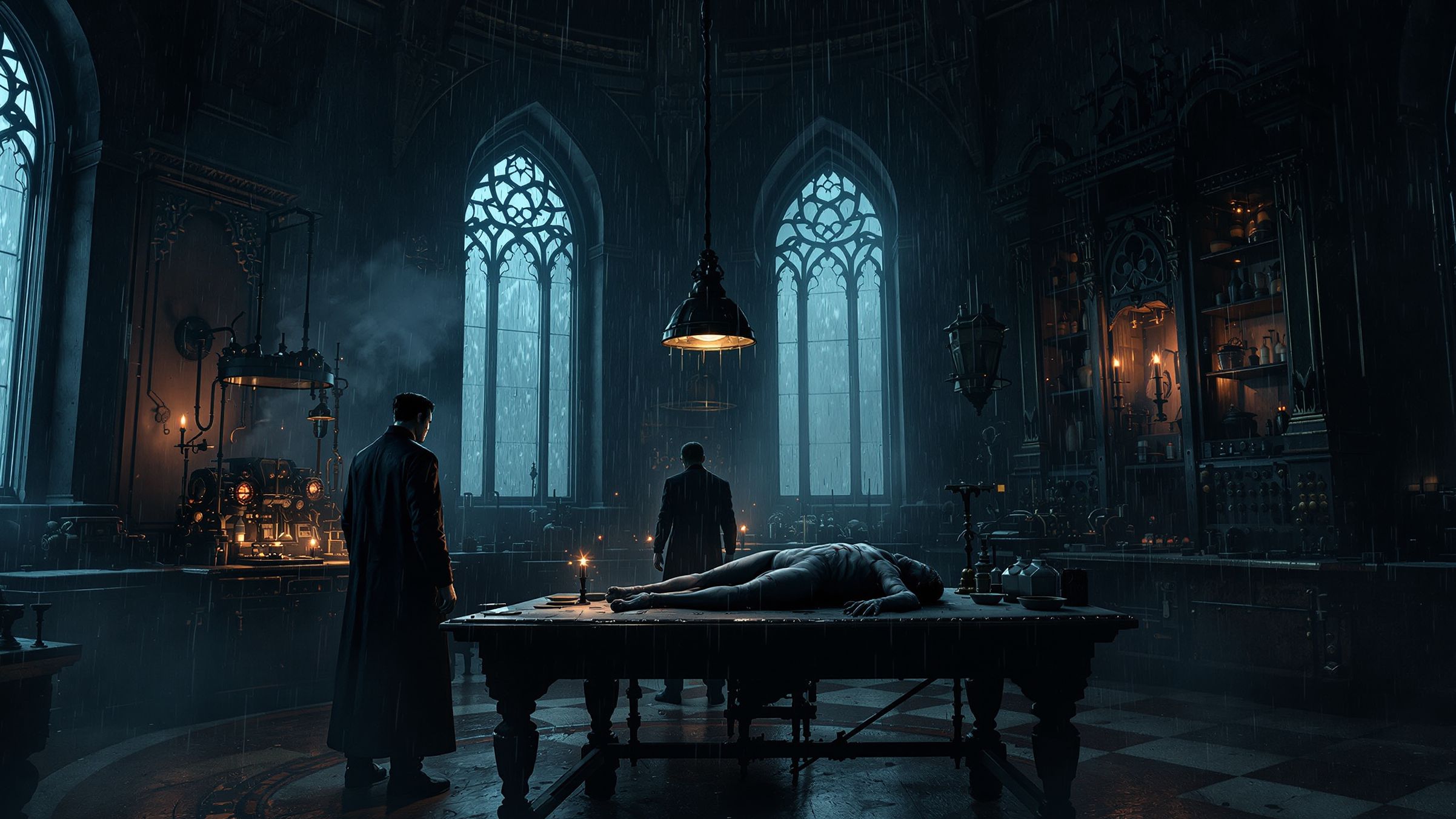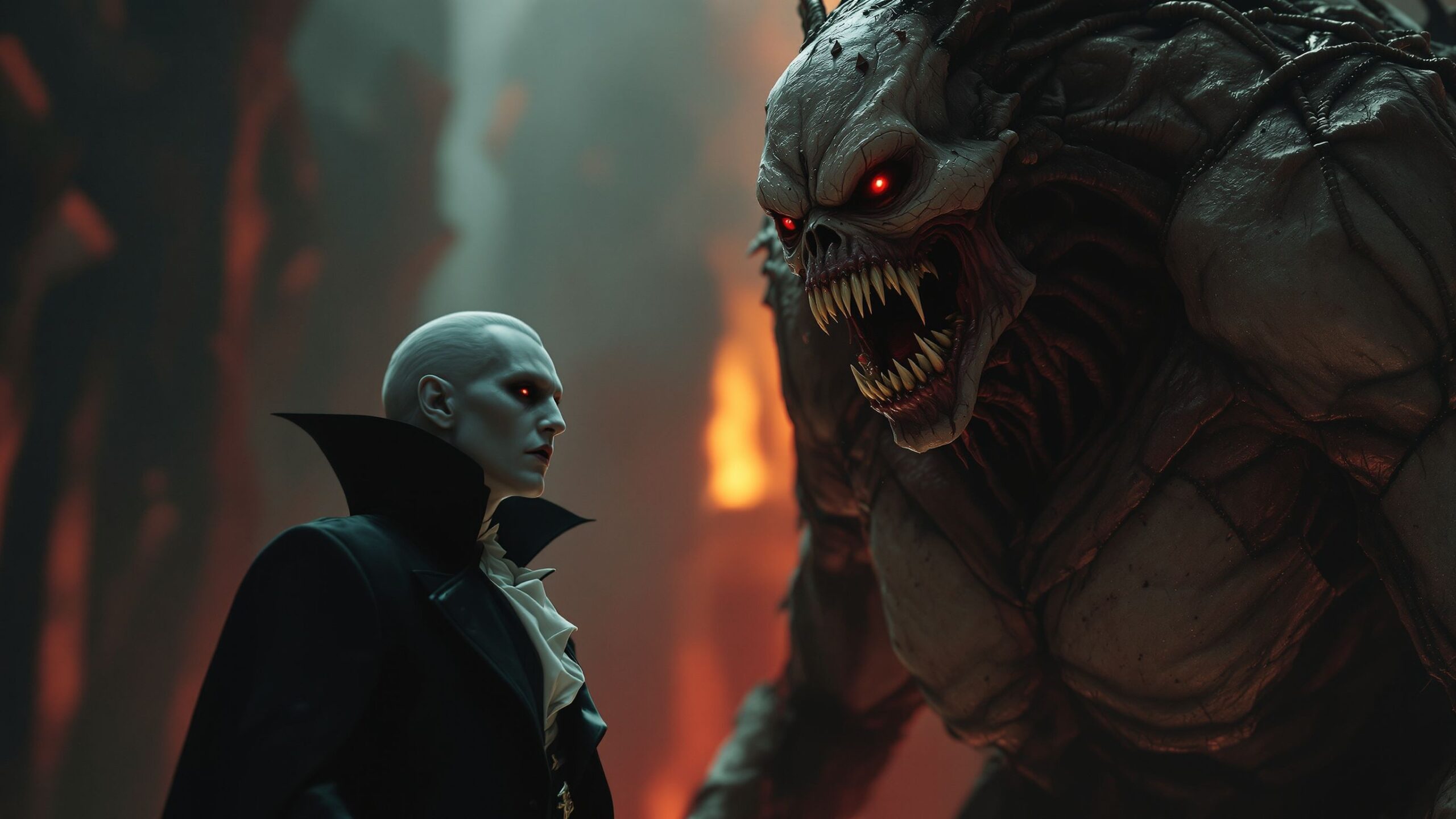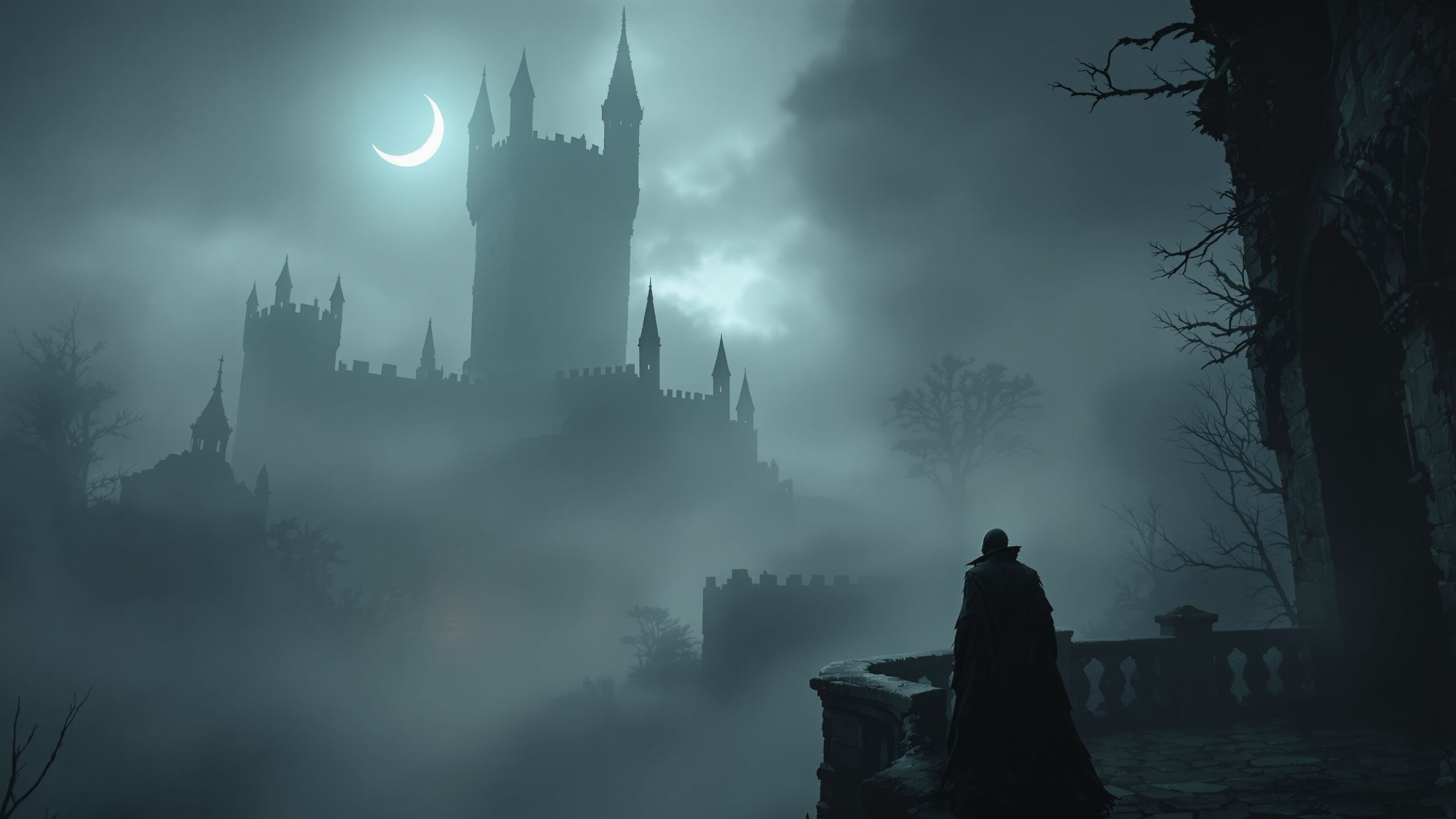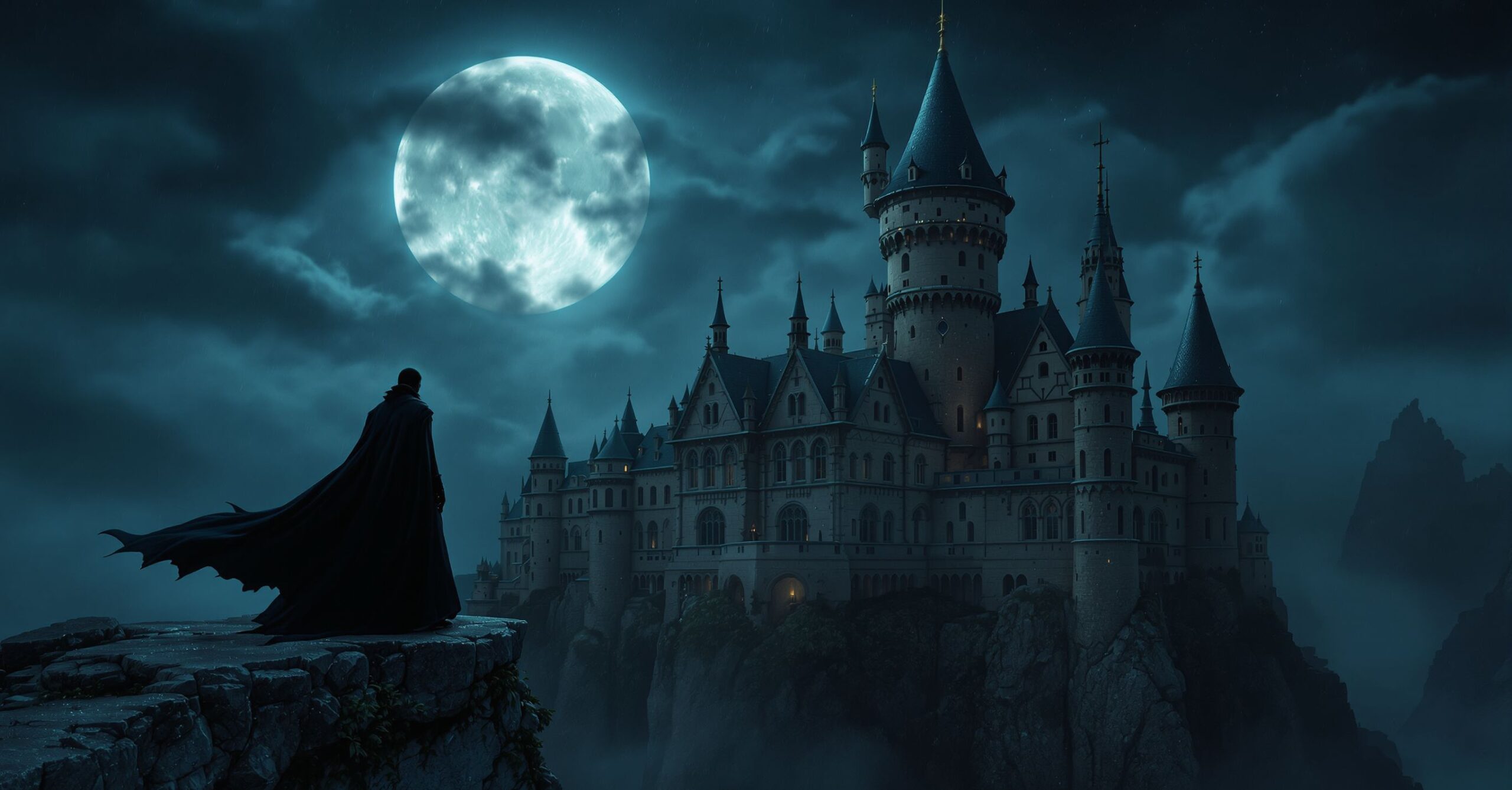
Few figures in horror have achieved the legendary status of Dracula, a character who has transcended literature, film, and folklore to become the definitive image of the vampire. Cloaked in darkness, elegance, and danger, Dracula is more than just a monster—he is a symbol of fear, desire, and the unknown. His story is rooted in centuries-old myths, shaped by one of the most influential novels ever written, and immortalized through decades of cinematic reinterpretation. To understand Dracula is to explore the evolution of horror itself.
A: He was inspired by historical figures like Vlad the Impaler, but the character is fictional.
A: Blood represents life, allowing him to sustain his immortality.
A: In most versions, sunlight weakens or destroys him, though early stories varied.
A: Bats became a symbol of nocturnal fear and transformation in vampire lore.
A: Traditionally, a stake through the heart, sunlight, or sacred objects can destroy him.
A: His charm allows him to manipulate and control victims before attacking.
A: Yes, victims he feeds on may transform into vampires themselves.
A: The isolated castle enhances his mystery, power, and separation from humanity.
A: Interpretations vary—some portray him as monstrous, others as tragic and lonely.
A: He embodies timeless themes of immortality, desire, fear, and the unknown.
Ancient Roots of the Vampire Myth
Long before Dracula emerged from the pages of a novel, the idea of blood-drinking creatures haunted cultures across the world. Ancient civilizations told stories of restless spirits and revenants that fed on the living. In Eastern Europe, particularly in regions like Romania and Serbia, the vampire legend took a more defined shape. These early vampires were far from the refined aristocrat we know today—they were often grotesque, bloated corpses believed to rise from the grave to terrorize villages.
These myths were fueled by fear of death, disease, and the unknown. Before modern medicine, unexplained illnesses and sudden deaths were often attributed to supernatural causes. Villagers would exhume bodies, searching for signs of vampirism, and perform rituals to prevent the dead from returning. These beliefs created a cultural foundation that would later inspire the character of Dracula.
Vlad the Impaler: The Historical Inspiration
One of the most intriguing aspects of Dracula’s origin is his connection to a real historical figure: Vlad the Impaler. Known for his brutal methods of punishment, Vlad III ruled Wallachia in the 15th century and earned a reputation for impaling his enemies on wooden stakes. His nickname, “Drăculea,” meaning “son of the dragon,” would later inspire the name Dracula.
While Vlad the Impaler was not a vampire, his legacy of violence and fear contributed to the mythos surrounding Dracula. Stories of his cruelty spread throughout Europe, blending fact with exaggeration. Over time, his name became associated with darkness and terror, making him a fitting inspiration for a fictional monster.
Bram Stoker and the Birth of Dracula
The modern Dracula was born in Dracula, written by Bram Stoker. Stoker drew upon vampire folklore, historical references, and his own imagination to create a character that was both terrifying and sophisticated. Unlike earlier depictions, Stoker’s Dracula was intelligent, charismatic, and capable of blending into society.
The novel introduced many elements that would become essential to vampire lore: the need for blood, the ability to transform into animals, the vulnerability to sunlight, and the use of garlic and crucifixes as protection. It also presented Dracula as a foreign invader, traveling from Transylvania to England, bringing with him a sense of unease and disruption.
Stoker’s work was deeply influenced by the cultural anxieties of his time. The late 19th century was marked by rapid change, including advances in science, shifts in social norms, and fears of invasion and contamination. Dracula embodied these concerns, representing both fascination and fear of the unfamiliar.
Dracula on the Silver Screen
Dracula’s transition from literature to film cemented his place in popular culture. The character was immortalized in Dracula, starring Bela Lugosi. Lugosi’s portrayal defined the vampire for generations, introducing the iconic cape, slicked-back hair, and hypnotic gaze.
This version of Dracula emphasized elegance and control. He was not a mindless creature but a calculated predator, capable of charming his victims before striking. The film’s success helped establish horror as a major genre in cinema and solidified Dracula as its most recognizable figure.
Over the years, Dracula has been reimagined in countless ways, from terrifying villain to tragic antihero. Each interpretation reflects the concerns and tastes of its era, demonstrating the character’s remarkable adaptability.
The Symbolism of Dracula
Dracula’s enduring appeal lies in his rich symbolism. At his core, he represents the tension between life and death, desire and danger. His need to consume blood connects him to primal instincts, while his aristocratic demeanor places him within the realm of sophistication and control.
He is often associated with themes of sexuality and seduction. In many interpretations, Dracula’s interactions with his victims carry an undercurrent of forbidden desire, reflecting societal taboos and anxieties. This duality—both alluring and terrifying—makes him a uniquely complex character.
Dracula also embodies fear of the outsider. As a foreign nobleman entering English society, he disrupts the familiar and challenges established norms. This aspect of his character resonates with historical fears of invasion and cultural change, giving the story a deeper layer of meaning.
The Evolution of the Vampire
Since Stoker’s novel, the vampire has undergone significant transformation. While Dracula remains the archetype, modern interpretations have expanded the concept in new directions. Vampires are no longer confined to gothic castles—they exist in contemporary settings, exploring themes of identity, morality, and belonging.
Works like Interview with the Vampire and modern television series have reimagined vampires as introspective and conflicted beings. Despite these changes, the influence of Dracula is unmistakable. His characteristics continue to shape how vampires are portrayed across media.
Dracula’s Lasting Legacy
More than a century after his creation, Dracula remains one of the most recognizable figures in fiction. His image has become synonymous with horror, appearing in films, books, comics, and even popular celebrations like Halloween. He is a character that audiences return to again and again, finding new meaning in his story.
Dracula’s legacy is not just about fear—it is about storytelling. He represents the power of a well-crafted character to transcend time and culture. His origins in folklore, history, and literature have combined to create a figure that feels both ancient and timeless.
Why Dracula Still Captivates Audiences
The reason Dracula continues to captivate audiences lies in his complexity. He is not simply a monster to be defeated—he is a character to be understood. His story invites us to explore themes of mortality, desire, and transformation, offering a reflection of our own fears and fascinations. In a world that is constantly changing, Dracula remains a constant presence in horror. He adapts, evolves, and endures, proving that some stories are too powerful to fade away. As long as humanity is drawn to the unknown, the legend of Dracula will continue to rise from the shadows, captivating new generations with his dark allure.