The monsters that haunt cinema’s earliest shadows did not emerge from nowhere. They were born from folklore whispered by candlelight, from literary nightmares inked in the 19th century, and from the cultural anxieties of a rapidly changing world. When film arrived in the late 1800s and early 1900s, it didn’t invent horror—it gave shape, movement, and a chilling new realism to creatures that had already lived for generations in human imagination. From vampires and stitched-together corpses to mummies and invisible men, the classic movie monsters that defined horror became enduring symbols not just of fear, but of deeper psychological and societal concerns. Their origins reveal a fascinating blend of myth, science, and storytelling that continues to influence the genre today.
A: They tap into timeless fears like death, transformation, obsession, and the unknown.
A: No. They came from novels, folklore, and older Gothic traditions before film adapted them.
A: Because he is usually portrayed as abandoned, misunderstood, and shaped by rejection.
A: His curse emphasized inner torment and loss of control as much as outward danger.
A: They combined ancient death rituals, forbidden excavation, and the fear of disturbing the past.
A: Not always. Many are written as sympathetic figures trapped by curses, science, or fate.
A: It heightened shadows, atmosphere, makeup, and visual mystery in unforgettable ways.
A: Each one reflects deeper fears about society, morality, identity, and human ambition.
A: Frankenstein’s monster and the Invisible Man are especially tied to scientific overreach.
A: A memorable design, mythic backstory, symbolic fear, and lasting influence on horror storytelling.
The Birth of Cinematic Horror
Before the Universal monsters dominated screens, early filmmakers experimented with visual trickery to evoke fear and wonder. One of the earliest examples is Le Manoir du Diable, directed by Georges Méliès, which featured bats transforming into devils and skeletal apparitions appearing and disappearing. Though brief and theatrical, it established horror as a genre rooted in spectacle and transformation. These early films drew heavily from stage magic and gothic literature, blending illusion with storytelling to create something entirely new.
As cinema evolved, so did its ability to create atmosphere. Lighting, camera angles, and set design became tools of fear. By the 1920s, German Expressionist films like Nosferatu introduced distorted sets and eerie visuals that reflected internal dread. The monster was no longer just a creature—it was a manifestation of psychological terror.
Dracula: The Eternal Vampire
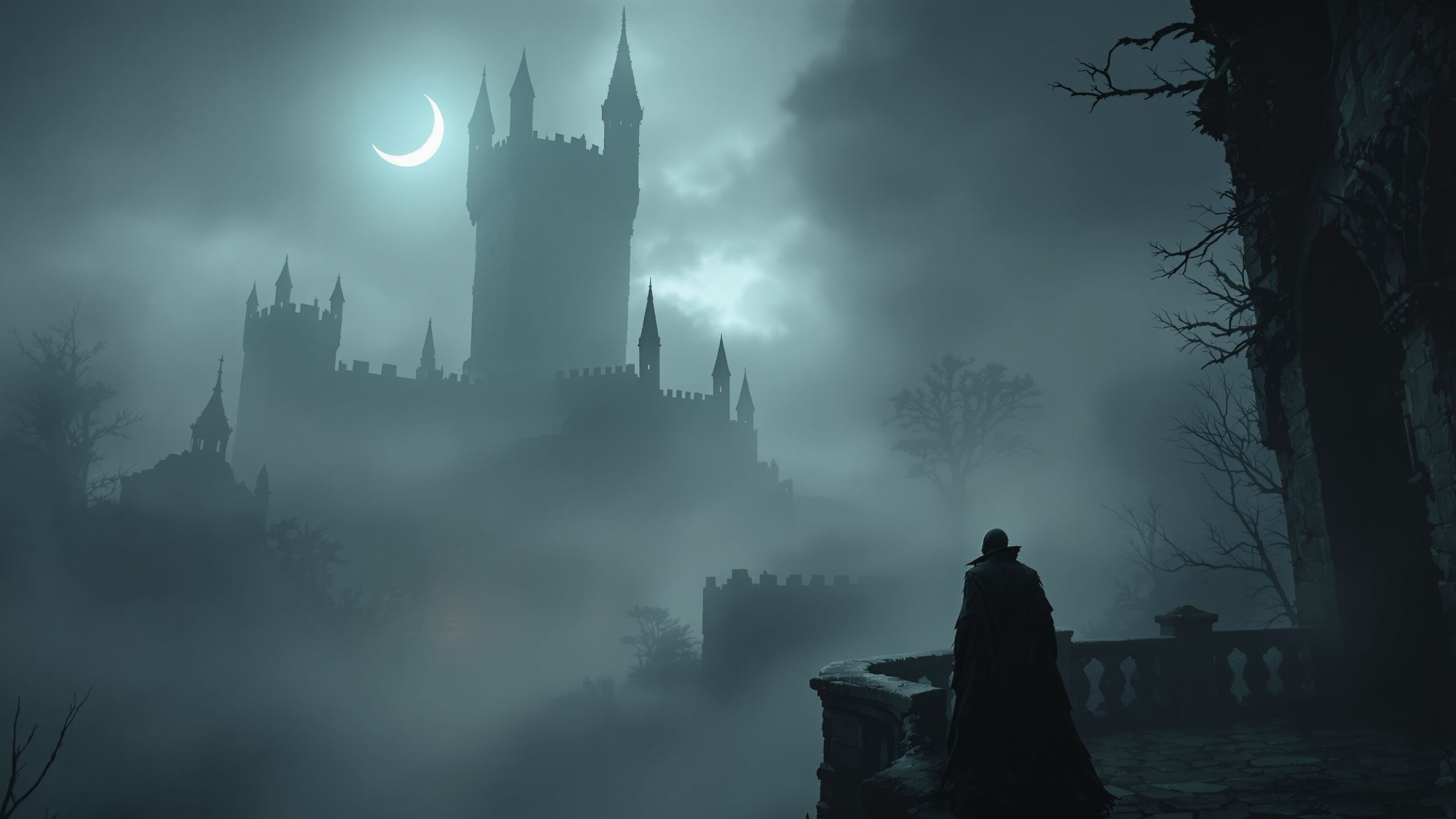
Few monsters are as iconic as Dracula, the aristocratic vampire whose presence is both seductive and deadly. The character originated in Dracula by Bram Stoker, drawing inspiration from Eastern European folklore and historical figures like Vlad the Impaler. Vampires had existed in myth for centuries, often depicted as grotesque, corpse-like beings. Stoker transformed this idea into something more refined and terrifying—a charismatic predator who could blend into society.
The cinematic Dracula was immortalized by Dracula, starring Bela Lugosi. Lugosi’s portrayal defined the character for generations: the cape, the accent, the hypnotic gaze. This version of Dracula wasn’t just a monster; he was a symbol of forbidden desire, foreign influence, and the fear of the unknown. In an era marked by social change and shifting moral boundaries, Dracula embodied anxieties about sexuality, immigration, and control.
Frankenstein’s Monster: Science Gone Wrong
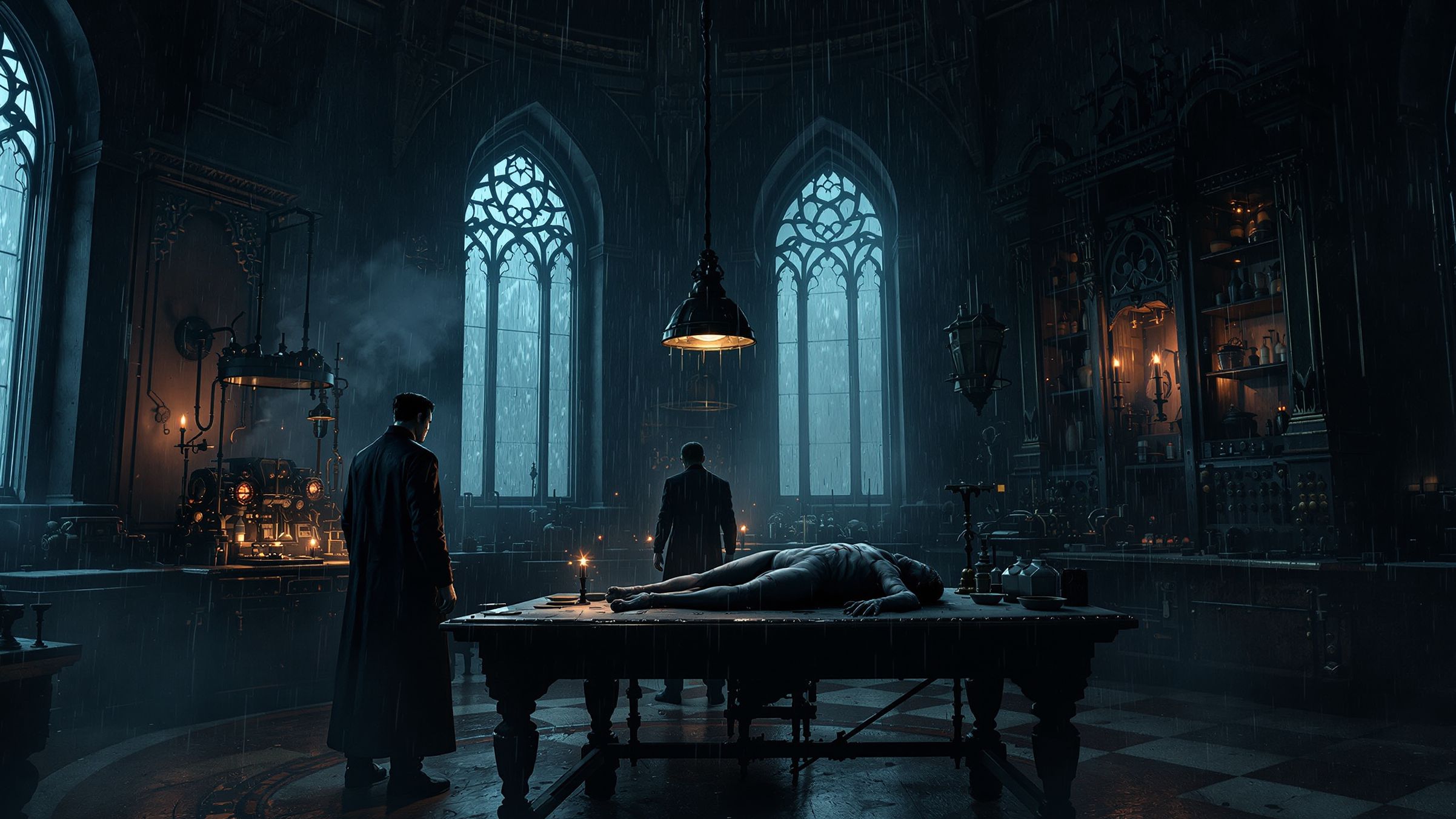
If Dracula represents ancient fear, Frankenstein’s monster represents modern terror—the fear of science surpassing human control. The creature originated in Frankenstein by Mary Shelley, written during a time of rapid scientific advancement. Shelley’s story was inspired by experiments in galvanism—the idea that electricity could animate dead tissue—and philosophical questions about creation and responsibility.
The film Frankenstein brought the creature to life with unforgettable imagery. Played by Boris Karloff, the monster became a tragic figure rather than a purely terrifying one. With his flat head, neck bolts, and lumbering gait, Karloff’s portrayal emphasized vulnerability and confusion. This version of the monster reflected fears about industrialization and the consequences of playing god. It also introduced a recurring theme in horror: the idea that the real monster might be the creator, not the creation.
The Wolf Man: The Beast Within
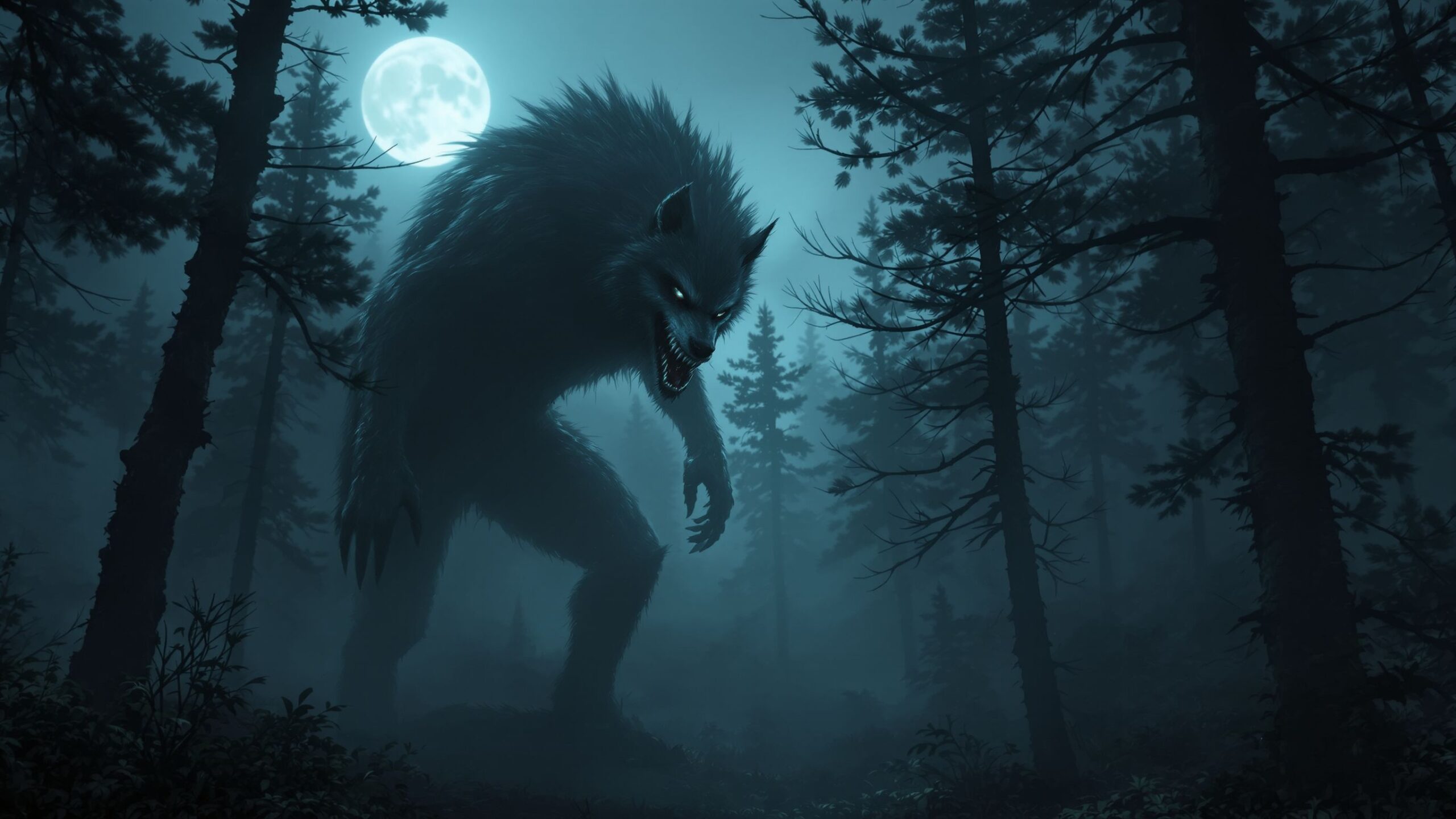
Unlike vampires or reanimated corpses, the werewolf represents a transformation that comes from within. The mythology of humans turning into wolves dates back centuries, rooted in European folklore and superstition. These stories often reflected fears of losing control, of becoming something primal and violent.
The definitive cinematic version arrived with The Wolf Man, starring Lon Chaney Jr.. The film introduced many elements now considered essential to werewolf lore: the full moon transformation, the curse passed through a bite, and the vulnerability to silver. More importantly, it presented the werewolf as a tragic figure. Larry Talbot, the protagonist, is not evil—he is cursed. His struggle reflects internal conflict, guilt, and the fear of losing one’s humanity.
In the context of the early 20th century, the Wolf Man resonated with audiences grappling with the psychological aftermath of war and the tension between civilization and instinct. The monster was not an external threat—it was a reflection of what lies beneath the surface of every human being.
The Mummy: Ancient Curses and Colonial Fear
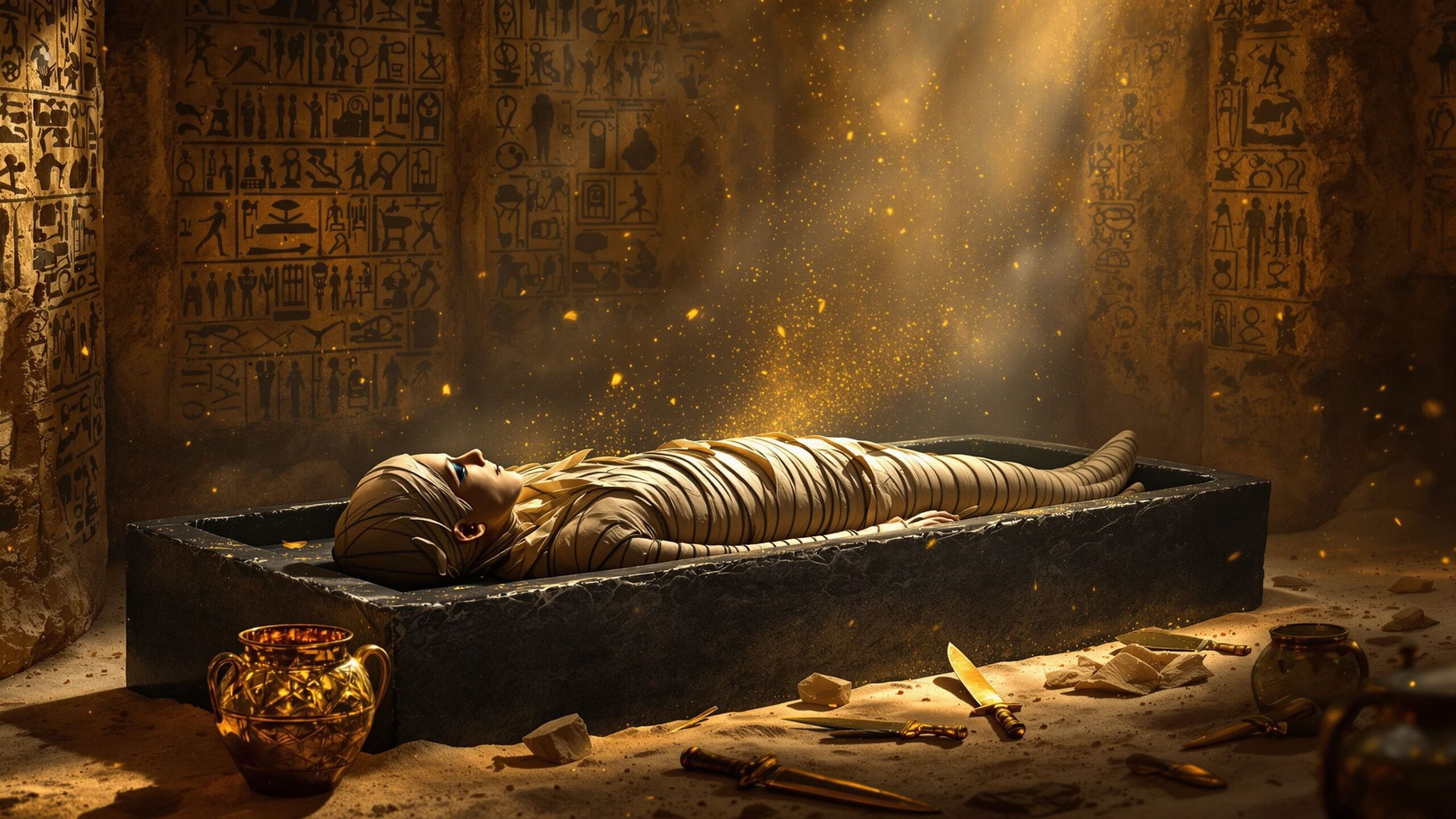
The Mummy brings a different kind of horror—one rooted in history, archaeology, and the fear of disturbing the past. Ancient Egyptian burial practices fascinated Western audiences in the early 20th century, especially after the discovery of Tutankhamun’s tomb in 1922. Reports of a “curse” surrounding the excavation fueled public imagination.
The film The Mummy capitalized on this fascination. Once again starring Boris Karloff, the Mummy was not just a reanimated corpse—it was a figure driven by love and vengeance across centuries. The story blended romance with horror, creating a monster motivated by emotion rather than pure malice.
At a deeper level, the Mummy reflects colonial anxieties. Western exploration and appropriation of ancient cultures raised questions about respect, ownership, and consequence. The curse becomes a metaphor for the dangers of exploiting history for personal gain.
The Invisible Man: The Terror of Isolation
Not all monsters are visible. The Invisible Man represents a different kind of fear—the loss of identity and the corruption of power. Based on The Invisible Man by H. G. Wells, the story explores what happens when a man gains the ability to become unseen.
The film The Invisible Man portrays invisibility not as a gift, but as a curse. The protagonist, driven mad by his own discovery, becomes increasingly violent and detached from humanity. Without accountability or recognition, he loses his sense of self.
This monster reflects fears associated with scientific progress and the ethical limits of experimentation. It also taps into psychological themes of isolation and alienation—ideas that were becoming more prominent in the modern, industrialized world.
The Creature from the Black Lagoon: Fear of the Unknown
By the 1950s, horror began to reflect new anxieties shaped by science fiction and environmental exploration. The Creature from the Black Lagoon, introduced in Creature from the Black Lagoon, represents the fear of the unknown lurking in unexplored territories.
Unlike earlier monsters rooted in folklore or literature, the Creature was a product of imagination influenced by scientific discovery. As humanity ventured into remote jungles and deep oceans, the idea that something ancient and undiscovered might exist became a compelling source of fear.
The Creature is both terrifying and sympathetic—a being caught between worlds, threatened by human intrusion. This duality reflects growing awareness of environmental impact and the consequences of human expansion into natural habitats.
Universal Monsters and the Golden Age of Horror
Many of these iconic creatures were brought to life by Universal Pictures, which played a crucial role in shaping the horror genre during the 1930s and 1940s. Known collectively as the “Universal Monsters,” characters like Dracula, Frankenstein’s monster, the Wolf Man, and the Mummy became cultural icons.
These films established the visual and narrative language of horror. Gothic settings, dramatic lighting, and tragic monsters became defining elements of the genre. More importantly, they demonstrated that horror could be both frightening and emotionally resonant. Audiences didn’t just fear these monsters—they empathized with them.
The Psychology Behind the Monsters
What makes these classic monsters endure is not just their design or storytelling, but their psychological depth. Each one represents a different facet of human fear. Dracula embodies desire and control. Frankenstein’s monster represents creation and responsibility. The Wolf Man reflects inner conflict. The Mummy symbolizes the past’s hold on the present. The Invisible Man explores identity and isolation. The Creature from the Black Lagoon highlights fear of the unknown.
These themes are universal, which is why the monsters continue to resonate across generations. They are not just relics of early cinema—they are mirrors of human experience.
Cultural Impact and Legacy
The influence of these classic monsters extends far beyond their original films. They have been reimagined countless times in movies, television, literature, and even comedy. From serious reinterpretations to playful parodies, their presence in popular culture remains strong.
Films like Interview with the Vampire and The Shape of Water demonstrate how these archetypes can be adapted to explore new themes while maintaining their core identity. Modern horror continues to draw inspiration from these origins, blending traditional elements with contemporary concerns.
Why These Monsters Still Matter
In a world filled with advanced special effects and new forms of storytelling, the classic movie monsters still hold a unique place in horror. Their simplicity, combined with their symbolic depth, makes them timeless. They remind us that fear is not just about what we see—it’s about what we feel and what we imagine.
These monsters endure because they evolve. Each generation finds new meaning in them, new ways to interpret their stories. Whether viewed as cautionary tales, psychological studies, or cultural artifacts, they continue to shape the genre in profound ways.
The Monsters Within and Beyond
The origins of classic movie monsters reveal more than just the history of horror—they reveal the history of human fear. From ancient myths to modern cinema, these creatures have adapted to reflect the concerns of their time while maintaining their essential nature. They are not just monsters on a screen. They are symbols of desire, fear, curiosity, and consequence. They challenge us to confront what lies beneath the surface—both in the world around us and within ourselves. And as long as those fears exist, the monsters will never truly disappear.