Why Famous Folklore Legends Refuse to Stay in the Past
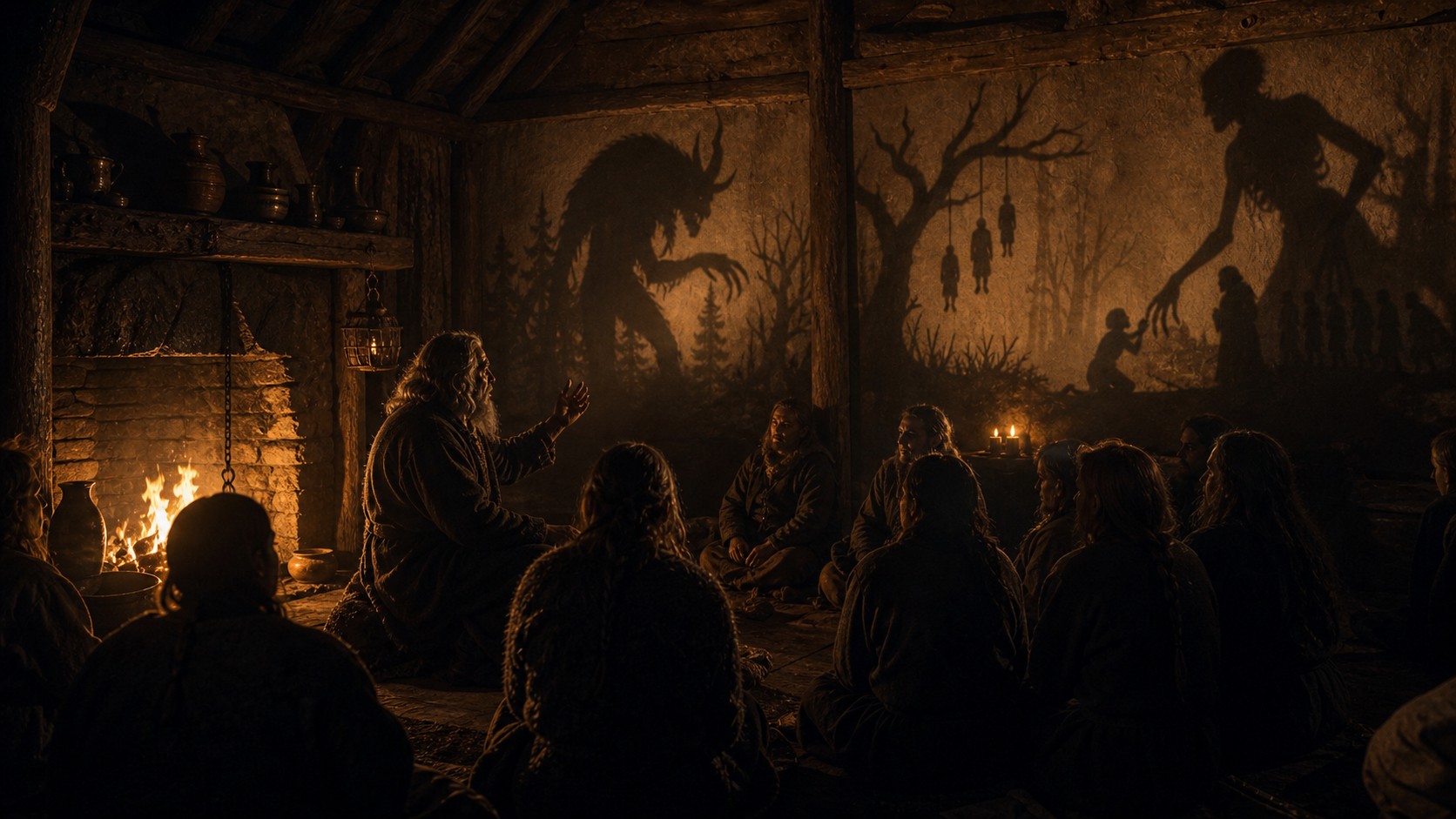
Famous folklore legends still haunt people today because they know how to move. They leave the old village road and appear beside a modern highway. They leave the candlelit room and become a story told through podcasts, videos, games, and late-night messages. Their details change, but their emotional structure remains intact: a warning ignored, a boundary crossed, a voice answered, a dead person remembered badly, a place treated as ordinary when it is not. These legends haunt the present because they adapt without giving up the old fears that made them memorable. The haunting is not only in the creature or ghost. It is in the way the legend teaches a place to feel different after the story has been heard. Once a road, bridge, room, or shoreline has been given a legend, ordinary details begin to carry extra weight, and that emotional change is difficult to undo. That change explains why famous legends survive in skeptical cultures. People may debate the facts and still avoid the bridge, repeat the warning, slow the car, or glance toward the treeline. The story has already done its work by changing attention. It gives unease a script, and once that script is learned, modern settings can perform it as effectively as old ones. A famous legend also gives people a shared language for places that already feel uneasy. Instead of saying only that a road feels wrong or a house feels heavy, people can name the story attached to it. That name turns private discomfort into communal memory. The legend becomes a social memory device, keeping people attentive even when they claim not to believe. That attention is the haunting's most durable form. The place remembers through repeated telling. The story keeps returning when conditions invite it. Again and again. Remembered.
The Modern Life of Old Warnings
A famous folklore legend survives when its warning still makes sense. People may no longer believe every detail, but they still understand the danger of lonely roads, unsafe water, strangers at night, abandoned buildings, and family secrets. The legend wraps practical unease in supernatural atmosphere. That combination makes it easy to retell.
Modern life has not removed the settings that folklore needs. Roads are still empty at certain hours. Bridges still feel transitional. Houses still make unexplained sounds. Water still hides depth. Grief still changes how people interpret signs. The old legend simply finds new surfaces.
This adaptability is why a story can feel both ancient and current. The listener may recognize the pattern from folklore, yet picture it happening with headlights, phone screens, locked doors, and modern clothing. The haunting continues because the legend does not require the past to remain unchanged.
The present also gives old legends new evidence. A blurry photo, a late-night recording, a forum post, or a local news story can be folded into a much older pattern. The technology changes the delivery, but the emotional claim remains familiar: someone saw something where the warning said something might appear. Modern proof is often ambiguous, which suits folklore perfectly. It gives believers and skeptics enough room to keep retelling the story.
Roadside Figures and Traveling Fear
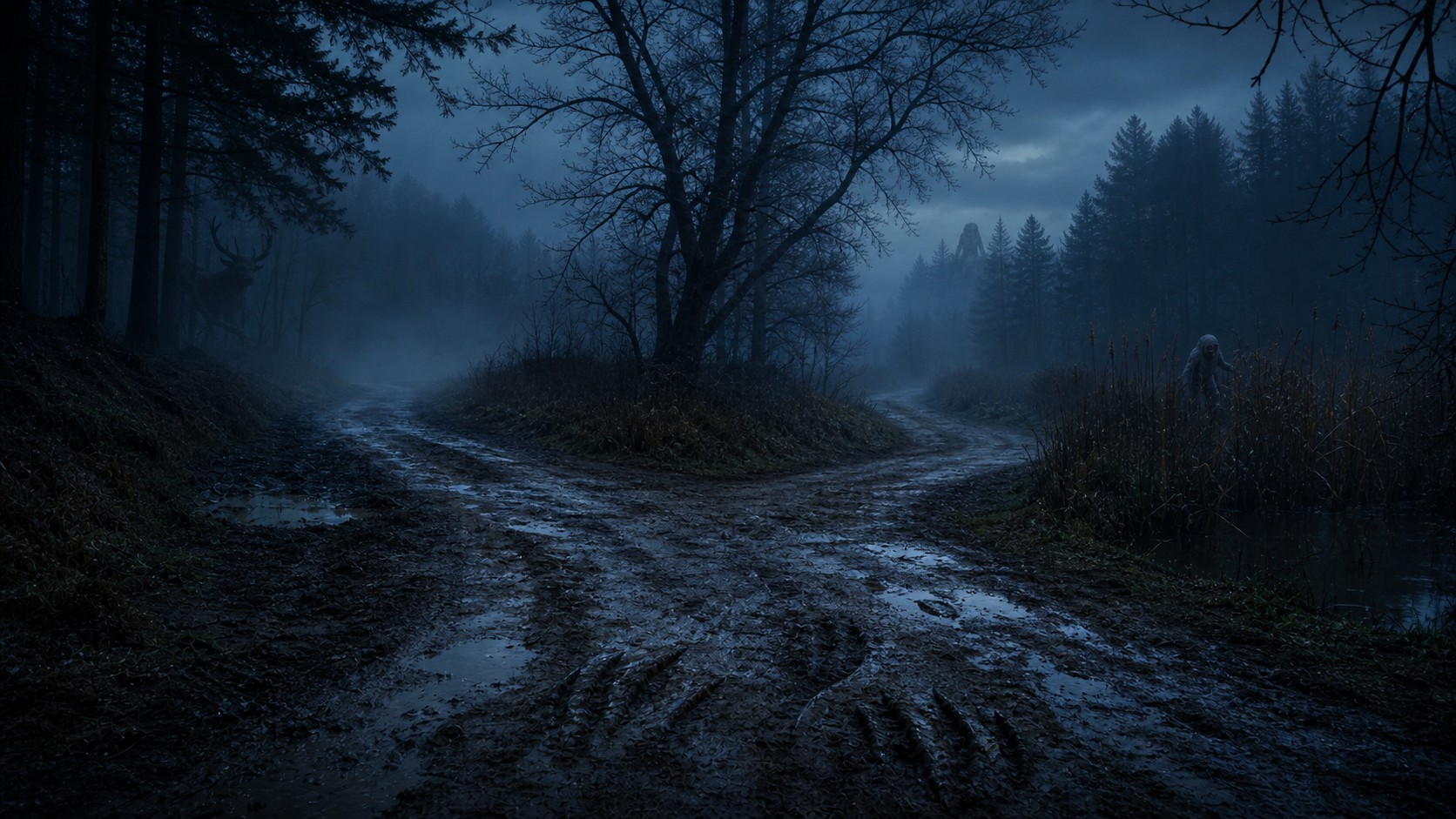
Roadside legends remain famous because travel creates vulnerability. A person on a road is between places, separated from home, and often dependent on limited visibility. A figure beside the road, a passenger who should not be there, or a bridge with a reputation can transform movement into suspense.
These stories often involve choices that happen quickly. Stop or keep driving. Offer help or protect yourself. Look back or continue forward. The folklore legend compresses moral uncertainty into a few seconds of decision. That is why roadside tales adapt so easily to modern vehicles and highways.
Road legends are also modern because roads create anonymity. A person can pass through a place without belonging to it, encounter someone with no witnesses nearby, and make a decision that cannot be easily explained later. Folklore thrives in that uncertainty. It turns travel into a moral and emotional test.
Water Legends That Still Feel Plausible
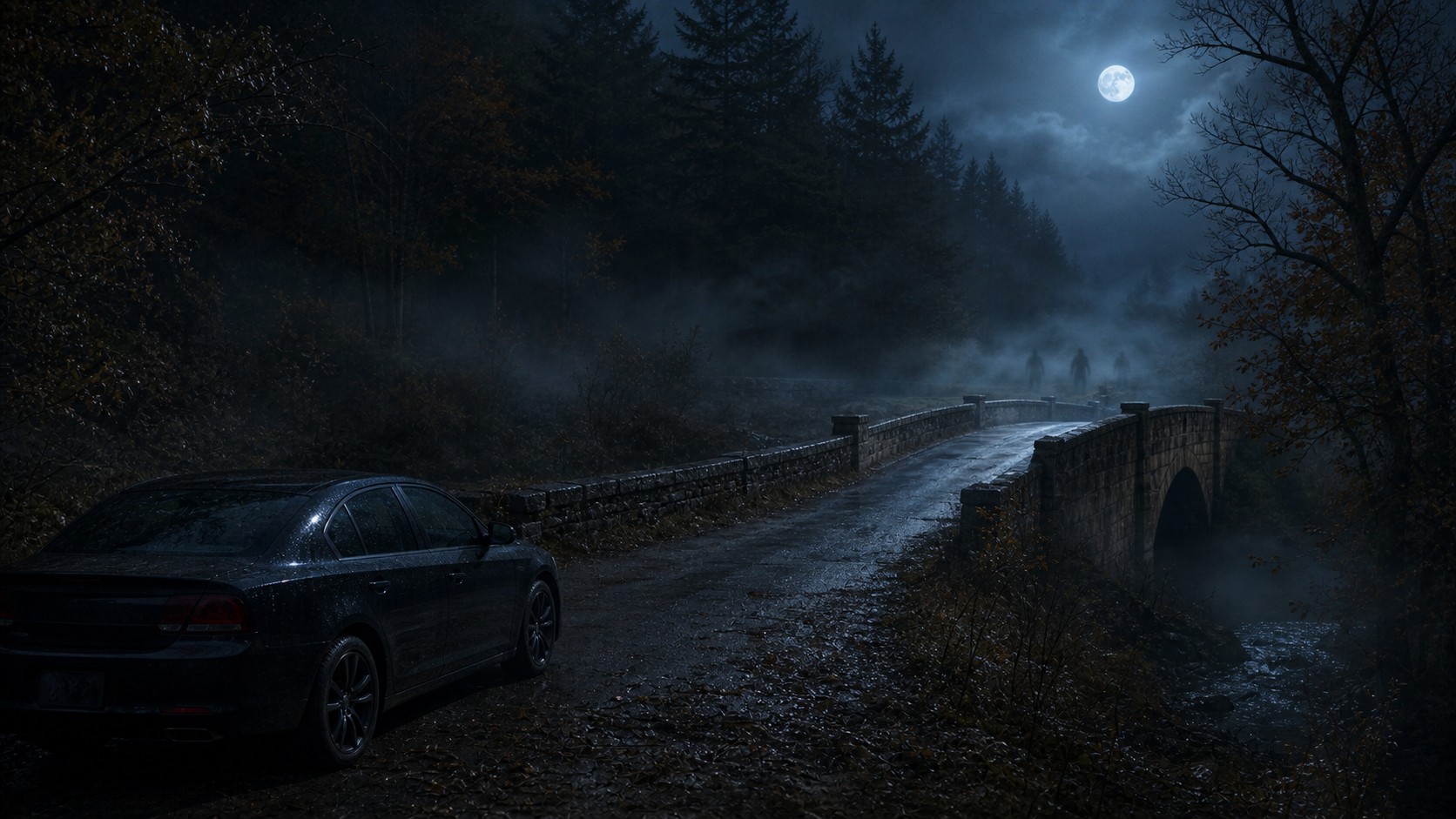
Water legends continue to haunt people because water remains dangerous in ways that are easy to underestimate. A calm pond can be deep, a river can pull hard below the surface, a shoreline can shift, and a misty bridge can reduce judgment. Folklore adds a presence to those risks, making the danger feel watchful.
Famous water legends often involve lures: lights, songs, reflections, voices, or figures seen near the edge. The lure matters because it turns the victim's approach into part of the fear. The person is not simply attacked. They are drawn across a boundary that should have been respected.
Even when modern listeners reject the supernatural explanation, the emotional caution remains. Do not go alone. Do not lean too far. Do not follow a sound into reeds. Do not assume the surface tells the whole truth.
Water legends adapt well because modern safety has not made water transparent. People still drown, roads still flood, bridges still ice over, and lakes still become dangerous when weather shifts. A famous water spirit or shoreline haunting can therefore feel less like a relic than a dramatic extension of caution. The supernatural being makes an old risk emotionally vivid for people who might otherwise underestimate it.
The strongest water legends also connect danger with memory. A bridge where someone died, a pond associated with a vanished child, or a shoreline tied to a local tragedy becomes more than a hazard. It becomes a place where grief repeats itself through story.
The continuing plausibility of these legends comes from the fact that modern people still experience old-fashioned vulnerability. Batteries die, signals fail, weather turns, cars stall, and familiar places look different in darkness. A famous legend slips into those gaps. It does not need to defeat modernity; it only needs to wait for modern confidence to become tired or uncertain.
The Dead Who Become Local Memory
Folklore legends about the dead remain famous because they attach grief to place. A road, bridge, house, field, or room becomes associated with someone who was lost, betrayed, buried badly, or remembered through rumor. The legend gives that absence a recurring form.
These stories can be haunting without needing constant appearances. Sometimes the power lies in the possibility that a place has not finished speaking. A cold spot, repeated sound, moving light, or figure glimpsed once is enough to keep the memory active.
Legends of the dead also survive because they offer an alternative to forgetting. A community may not preserve official records of every loss, but it may keep repeating the story of the woman by the road, the child near the bridge, or the figure in the upstairs room. The haunting becomes a rough memorial. It may distort history, but it refuses silence.
The dead in famous legends are often remembered through fragments rather than full biographies. A name may vanish while the scene remains: the bridge, the room, the bend in the road, the wet footprints, the repeated sound. This fragmentation can be sad, but it also explains the legend's power. The haunting becomes attached to a place anyone can visit.
How Media Keeps Legends Alive
Printed folklore collections once helped regional legends travel. Today, videos, forums, podcasts, documentaries, horror games, and social media accelerate the process. A local story can become globally recognizable in a matter of days, especially if it has a strong image or simple rule.
This speed changes the legend. Details become simplified, names shift, and local context may be lost. Yet media can also preserve interest that would otherwise fade. A listener who first meets a legend online may later seek its older versions, discovering the place, history, and customs that gave the story weight.
Media also changes who gets to tell the story. A legend once guarded by elders or locals may be repeated by outsiders, dramatized for clicks, or simplified for speed. That can spread the tale, but it can also strip away grief and context. The most responsible retellings keep asking what the legend meant before it became famous.
Why Skeptics Still Feel the Haunting
A folklore legend does not need full belief to haunt someone. It needs the right situation. A person who laughs at the story in daylight may remember it when driving alone, hearing water in the dark, or entering a house with a known reputation. The legend waits for atmosphere to make skepticism less comfortable.
This is one of folklore's quiet strengths. It does not always argue. It attaches itself to conditions: night, fog, silence, grief, isolation, repetition. When those conditions return, the story feels available again.
Skepticism and haunting can therefore coexist. Someone can doubt the creature, spirit, or curse and still behave more carefully because the legend has made a place emotionally charged.
Atmosphere is the legend's best ally. Fog, darkness, exhaustion, grief, and isolation can make a familiar story feel newly persuasive. That does not mean the listener has abandoned reason. It means folklore operates through mood as much as argument. A story that sounded impossible at lunch may feel less impossible when the road is empty and the phone has no signal.
This is why famous legends often return at inconvenient moments. A person does not need to believe every version to remember the warning when alone. The story becomes part of the mental scenery. It waits quietly until the bridge, road, room, or water brings it back.
Because atmosphere revives legends, places can feel haunted even after they become tourist stops. Visitors may arrive for entertainment, but the mood of the location can still do quiet work. A cold bridge, a dark treeline, or the sound of water below stone can make the famous story feel less like content and more like a presence attached to the landscape.
What Haunting Really Means
To say a folklore legend still haunts people today does not always mean people expect a literal encounter. It can mean the story continues to shape feeling. It changes how a bridge looks after midnight, how a family story is heard, how a body of water is approached, or how a stranger's voice is interpreted.
Famous legends haunt because they are portable emotional machines. They carry old fears into new settings and make ordinary spaces feel layered with memory. Their survival is not an accident. They persist because they give people a way to speak about unease that modern life has not erased.
That is why the most famous folklore legends remain active. They do not sit politely in the past. They follow roads, enter homes, gather around water, and wait inside the local details people keep repeating. The haunting is the repetition, and the repetition is how the legend stays alive.
The haunting is therefore cultural as much as supernatural. A legend can haunt by shaping behavior, mood, and memory. It can change where people walk, what they joke about, which places they avoid, and how they explain a feeling that reason has not fully dismissed.