Why Folklore Creatures Feel Creepier Than Ordinary Monsters
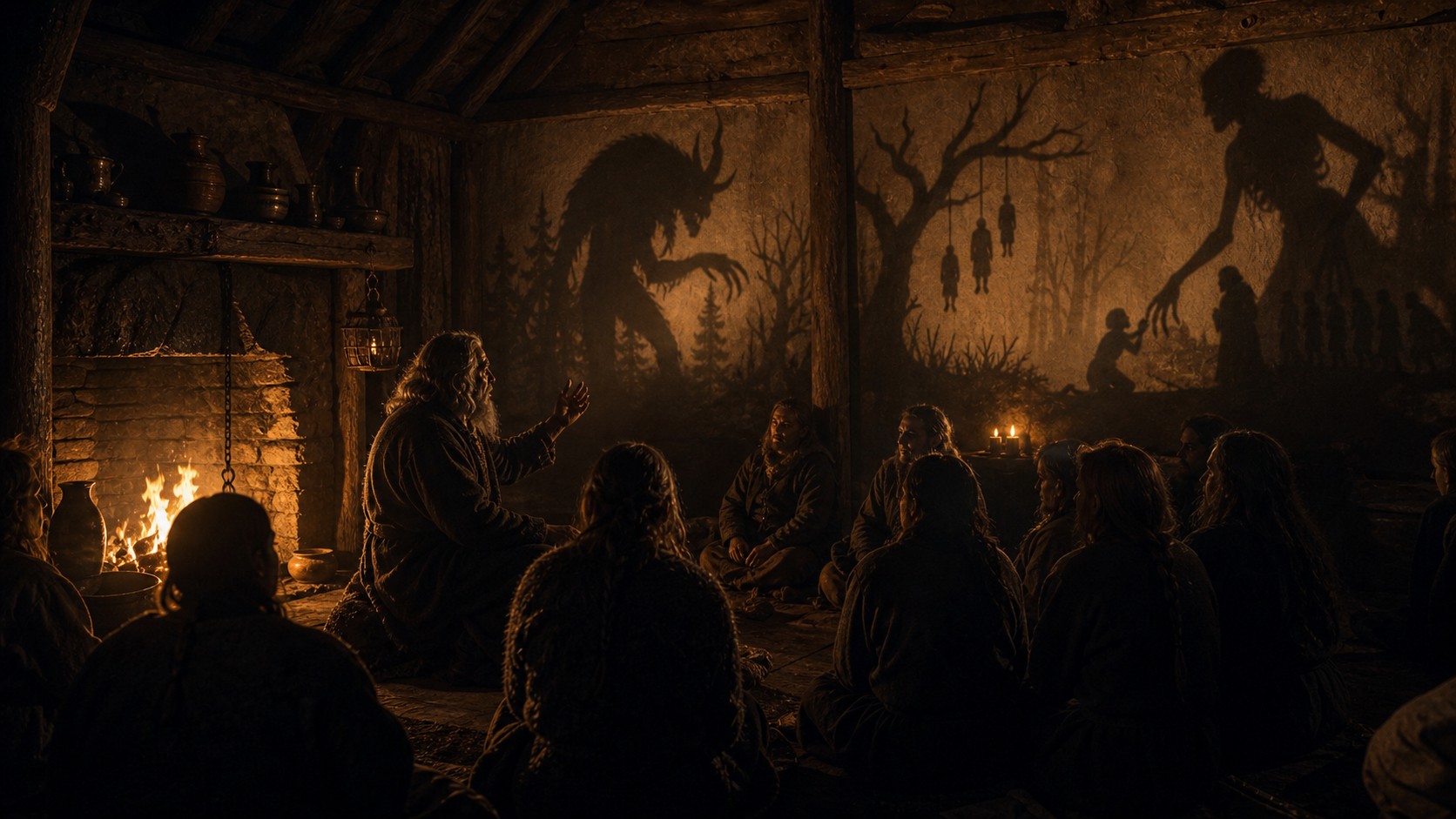
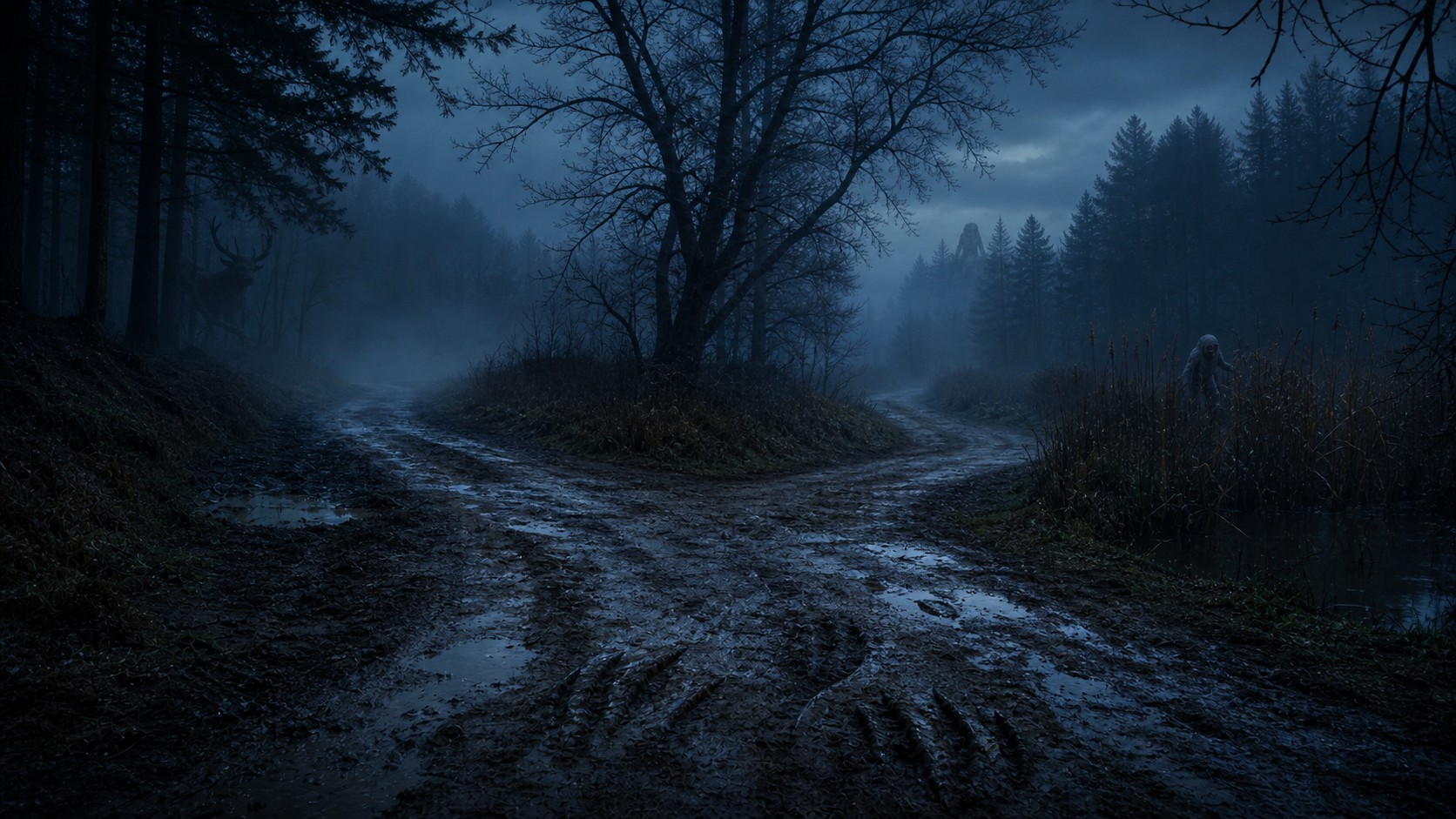
The creepiest folklore creatures from around the world rarely need grand battles or enormous scale to unsettle people. Their power comes from proximity. They wait by wells, roads, bedrooms, forests, bridges, doorways, fields, and shorelines, turning familiar places into spaces that feel watched. Folklore creatures often belong to ordinary warnings: do not wander at night, do not mock the dead, do not break hospitality, do not answer the wrong voice, do not assume a lonely path is empty. That closeness makes them creepier than distant mythic beasts because they seem to live just beyond the edge of daily life. Their stories are intimate because they do not ask us to imagine a distant battlefield; they ask us to reconsider the path home, the sound at the door, and the shape waiting just beyond the light. A creepy creature lingers because it seems to understand our routines before we do. It waits where habit makes people careless: the shortcut, the familiar voice, the open window, the quiet bank, or the road everyone says is fine until night comes. That is why the smallest detail can be enough.
The Creepiness of Nearness
A folklore creature becomes frightening when it can appear where people already walk. Unlike a cosmic monster or palace guardian, it does not need a heroic setting. It can belong to a muddy lane, a dark bedroom corner, a riverbank, or the path between two houses. The setting tells listeners that danger is not safely locked in a remote age.
This nearness changes the emotional texture of the story. The listener does not imagine armies, gods, or ancient ruins first. They imagine a sound outside the window, a figure at the tree line, or a voice that almost sounds familiar. Creepiness grows from the possibility that the ordinary world has a second layer.
That second layer is often local. The creature belongs to a particular bend in the road, a particular bridge, a particular patch of woods, or a particular family warning. Its smallness of place can make it more believable, because the story feels inherited from someone who knew the location.
Nearness also makes folklore creatures feel personally possible. A giant beast in a remote mythic age can be admired from a distance, but a being connected to a back road or bedroom does not allow that comfort. It suggests that the boundary between story and life may be crossed by a small action: opening the door, answering the call, stepping off the path, or looking too long at the water. The scale is smaller, but the threat feels closer to the listener's own habits.
Voices, Mimicry, and Wrong Recognition
Many creepy folklore creatures disturb people by imitating something safe. They may call in a loved one's voice, appear as a harmless traveler, resemble an animal, or take the form of a person who should not be there. The fear is not only attack. It is misrecognition. The creature makes trust dangerous.
This pattern remains powerful because human beings rely on recognition constantly. We answer familiar voices, follow known paths, and relax around ordinary shapes. Folklore creatures exploit those habits. They make listeners ask whether the familiar can be trusted when light is poor, grief is fresh, or fear is already awake.
Wrong recognition is especially creepy because it begins with confidence. The listener thinks they know the voice, the face, the path, or the custom. Then one detail fails: the feet are wrong, the timing is wrong, the smile lasts too long, or the voice comes from a place no person could stand. Folklore turns that small failure into dread.
Water Spirits and Shoreline Warnings
Water folklore is creepy because water hides what it contains. A pond, river, marsh, or shoreline can look peaceful while carrying current, depth, cold, disease, or unstable ground. Folklore turns those dangers into beings that lure, grab, bargain, or punish. The creature gives water an intention that makes an accident feel personal.
Many water beings also target thresholds: the bank, the bridge, the ford, the washing place, the fishing spot. These are places where ordinary labor meets danger. A child sent to fetch water or a traveler crossing after dark enters a small but serious risk. The folklore creature preserves that risk as a story that can be remembered.
The creepiest water legends often include beauty or familiarity. A song, a face, a floating light, or a calm surface invites approach before danger appears. That invitation makes the story linger because it suggests that peril may begin with attraction rather than obvious threat.
Water creatures also exploit the way sound behaves near rivers, ponds, and marshes. A voice can carry strangely, reeds can move without a visible cause, and reflections can distort faces into something almost recognizable. Folklore uses those sensory uncertainties with precision. It makes the listener suspicious of beauty, music, and stillness because each can conceal a depth that cannot be judged from shore.
The shoreline is creepy because it is neither fully safe land nor fully unknowable water. People work there, wash there, fish there, cross there, and lose things there. Folklore creatures often wait at that exact edge, where practical life requires approach but inherited caution says not to linger.
Water also preserves secrecy after the event. Footprints wash away, bodies may not return, and sounds vanish into reeds or current. A folklore creature fills that evidentiary emptiness with narrative. It says that something wanted the victim, something waited, something knew the place better than the person who approached it. That imagined intention is what makes the water feel haunted rather than merely hazardous.
Household and Bedroom Terrors
Some of the world's creepiest folklore creatures are frightening because they enter private space. A monster outside the village can be guarded against with walls and doors. A creature associated with sleep, hearths, cradles, mirrors, or corners of the room violates the expectation that home is safe. It makes fear intimate.
These beings often express anxieties that are difficult to discuss directly: illness, sleep paralysis, grief, infant mortality, family conflict, and the vulnerability of the body at night. Folklore gives those pressures a visitor, a weight on the chest, a whisper, a shadow, or a figure at the bedside.
Bedroom legends are especially persistent because sleep removes control. A person lying down is vulnerable to pressure, dreams, sounds, paralysis, and half-waking perception. Folklore interprets those experiences as visitors, weights, watchers, or figures that arrive when the body cannot respond. The story turns a private physical fear into a shared cultural image.
Household folklore also travels through repeated domestic routines. People sleep, nurse children, cook, sweep corners, open doors, and listen to night sounds in every generation. A creature attached to those routines does not need an elaborate setting. It waits inside the ordinary actions people cannot stop performing.
Rules That Make Fear Memorable
Folklore creatures often come with rules. Do not invite it in. Do not count its teeth. Do not follow the light. Do not speak first. Do not look back. Do not take food from the stranger. These rules make the creature memorable because they turn fear into behavior. A listener knows what the danger wants and how a mistake might begin.
The rule also gives the story suspense. The audience waits for someone to break it. That moment can be more frightening than the creature's arrival because it feels preventable. Creepiness intensifies when the listener understands exactly how close safety was.
Rules make creepy creatures feel interactive. A listener does not simply hear what happened to someone else; they learn what they would need to avoid. That imagined participation keeps the story alive. People remember the rule because they picture themselves facing the same choice.
Why Local Creatures Travel Globally
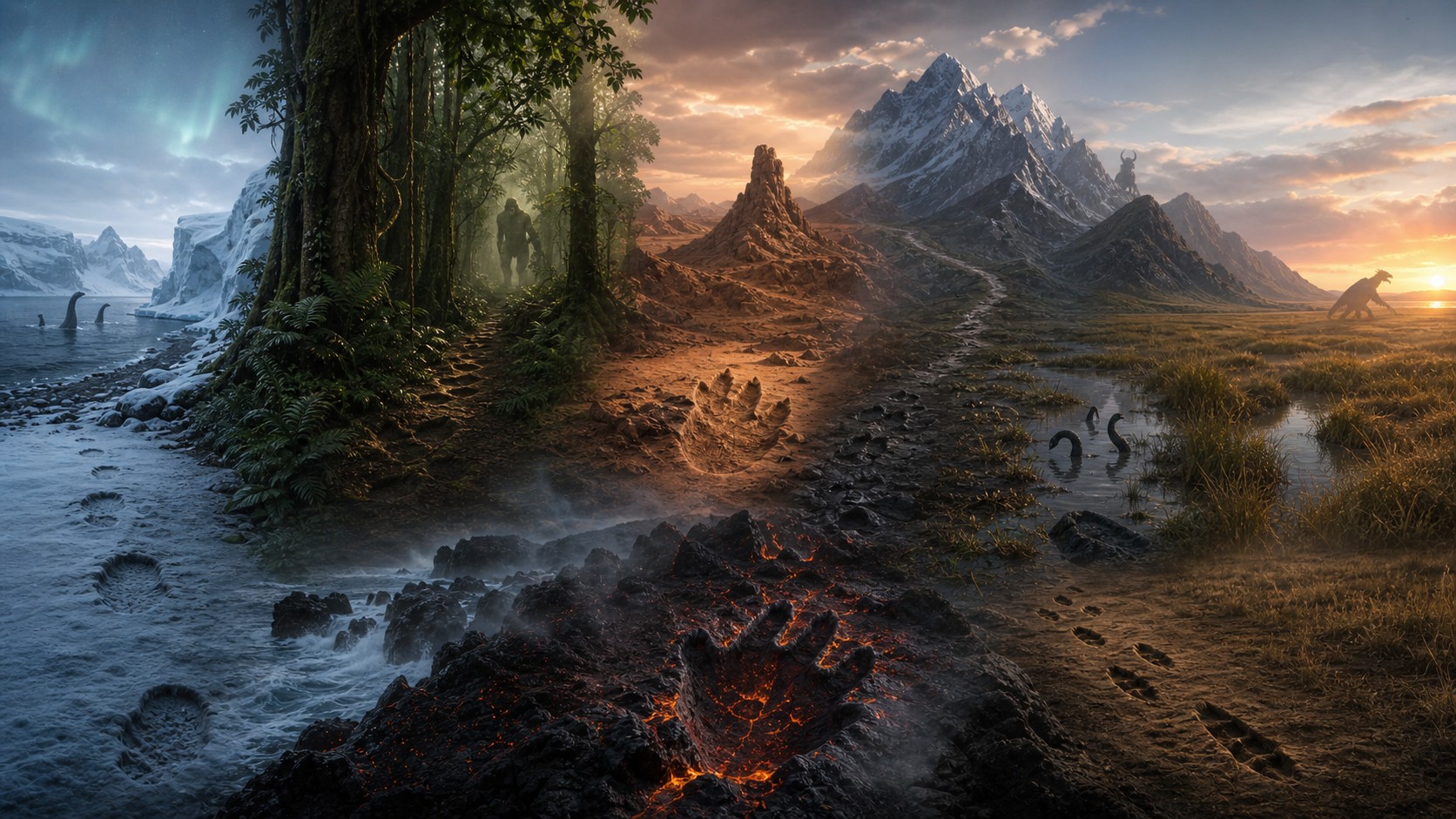
Although folklore creatures begin locally, they travel well because their fears are portable. Every culture has lonely roads, unsafe water, dangerous strangers, unexplained illness, and unsettling nights. When people hear a creature from another region, they may not know every custom behind it, but they recognize the emotional situation.
Migration, colonization, trade, printed collections, film, games, and internet storytelling have carried regional creatures far from their first homes. As they travel, they often lose some local detail and gain broader horror appeal. The most durable versions keep a strong core: the wrong voice, the forbidden path, the watcher at the edge, the bargain that should not be made.
That global movement can be exciting, but it also requires care. A creature is creepier when its original context is respected. Without the local rule, place, or social warning, it becomes a costume. With that context, it remains a living piece of regional imagination.
When regional creatures travel, their creepiness can either deepen or thin out. A careful retelling preserves the local rule and the reason it mattered. A careless one keeps only the scary appearance. The strongest modern versions do both: they make the creature accessible to new audiences while leaving enough cultural texture to remind listeners that the story came from a real community, not a generic horror shelf.
Respecting context also protects the creature from becoming a flattened internet scare. A regional being is usually tied to language, place, behavior, and local memory. When those details remain, the story feels less like a jump scare and more like a warning that has survived because it once mattered.
Global fame can make creepy folklore creatures seem detached from their first communities, but the oldest power usually remains local. The creature has a weather, a path, a household custom, a kind of speech, or a remembered danger. Those details are what make it feel as if someone did not invent a monster for fun, but inherited a warning from people who had reasons to be afraid.
Why These Creatures Still Work
Creepy folklore creatures still work because they do not ask people to believe in a whole supernatural system before feeling the fear. They ask only for a moment of uncertainty. What if the sound outside is not wind? What if the person at the roadside is not lost? What if the water is not empty? What if the story told by grandparents was not only a story?
They also endure because they are emotionally efficient. A small detail can carry the whole legend: wet hair at the door, backward feet in the dust, a voice from the trees, a face under water, a shadow where no one is standing. Folklore understands that creepiness often lives in the almost-seen.
That is why the creepiest folklore creatures around the world remain powerful. They turn ordinary caution into atmosphere. They make familiar places feel conditional. They remind listeners that every culture has ways of saying the same uneasy thing: be careful, because the world you know may not be alone.
The creepiness ultimately comes from uncertainty, not spectacle. These creatures rarely explain everything. They leave the listener with a voice, a footprint, a rule, a patch of fog, or a door that should not be opened. That incompleteness lets the story follow people into their own familiar places.