Why the Darkest Folklore Myths Stay With Us
The darkest folklore myths ever told are not dark simply because they include frightening creatures or cruel endings. They endure because they give shape to experiences that communities found almost unbearable: hunger, betrayal, child loss, unjust death, broken hospitality, cursed families, dangerous bargains, and the fear that wrongdoing can poison a place for generations. These stories can feel severe, but their severity has a purpose. Folklore remembers what ordinary speech may soften, and the darkest myths keep warning alive by refusing to make fear comfortable. They also remind us that folklore is not always designed to reassure. Some stories are meant to preserve discomfort because comfort would betray the seriousness of what was lost, broken, or feared. The darkness keeps the listener from treating the warning as decoration, and that refusal is exactly why these myths can survive for centuries. Their bleakness can feel excessive, but excess is part of the method. The story enlarges consequence until no one can miss it. A broken promise becomes a curse, a neglected burial becomes a presence, a hungry season becomes a devouring figure, and a private act of cruelty becomes a warning repeated in public. These myths are dark because they insist that suffering has memory, and that memory may return if the living refuse to learn from it. A dark myth can therefore be understood as a community's refusal to let danger become polite. It keeps the wound visible through symbol, creature, omen, or curse, and it asks each new listener to feel the seriousness of the old warning before deciding what to do with it. The stories remain severe because the fears behind them were severe. They ask to be remembered, not softened. The warning stays sharp. It remains. Still. Remembered.
Darkness as Memory
A dark folklore myth often begins where a community has been wounded. It may preserve the memory of famine, violence, exile, disease, or a death that felt impossible to explain. The myth does not record events like a chronicle. Instead, it turns emotional truth into a story that can be repeated without naming every private grief behind it.
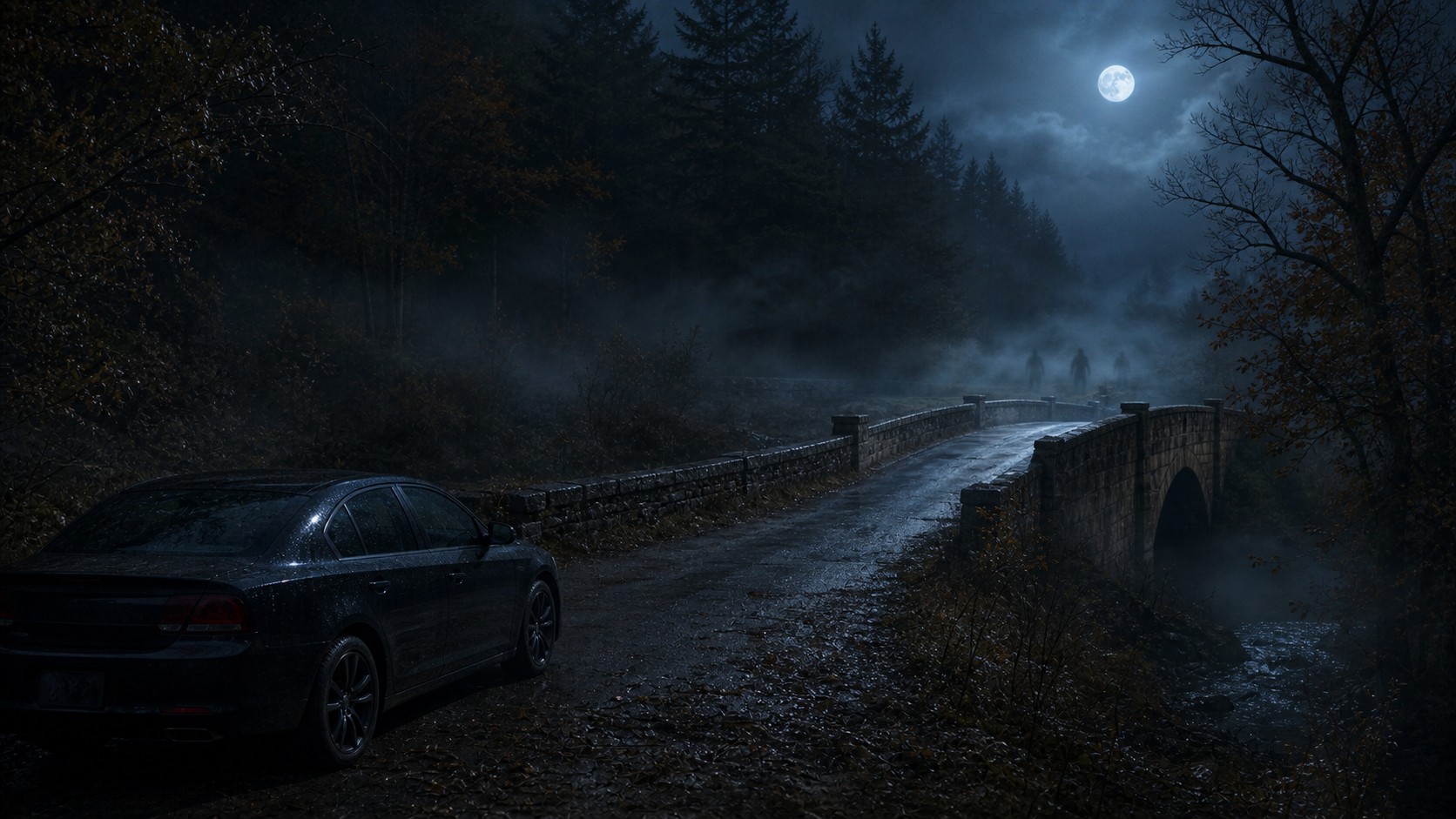
This kind of memory can be harsh because the original experience was harsh. A story about a devouring figure may carry the terror of hunger. A curse myth may hold the shame of betrayal or neglected ritual. A tale of a haunted road may preserve knowledge that someone died there and that the place should not be treated casually.
The darkness therefore belongs to remembrance. The story keeps pain visible enough that later listeners cannot walk past it too easily.
Darkness also helps folklore keep moral discomfort from being cleaned away. A community may want to remember that a guest was betrayed, a child was lost, or a family wrong was never repaired, but direct accusation can fade or become socially dangerous. The myth carries the charge forward in symbolic form. It does not need to name every guilty person to preserve the knowledge that something went terribly wrong.
The darkest tales also admit that communities sometimes need frightening stories because gentler language fails. A warning about cruelty, hunger, or death may be ignored if it sounds ordinary. A myth that turns the warning into a curse, omen, or devouring presence commands attention. It gives fear an authority that everyday advice may not possess.
Hunger and the Fear of Need
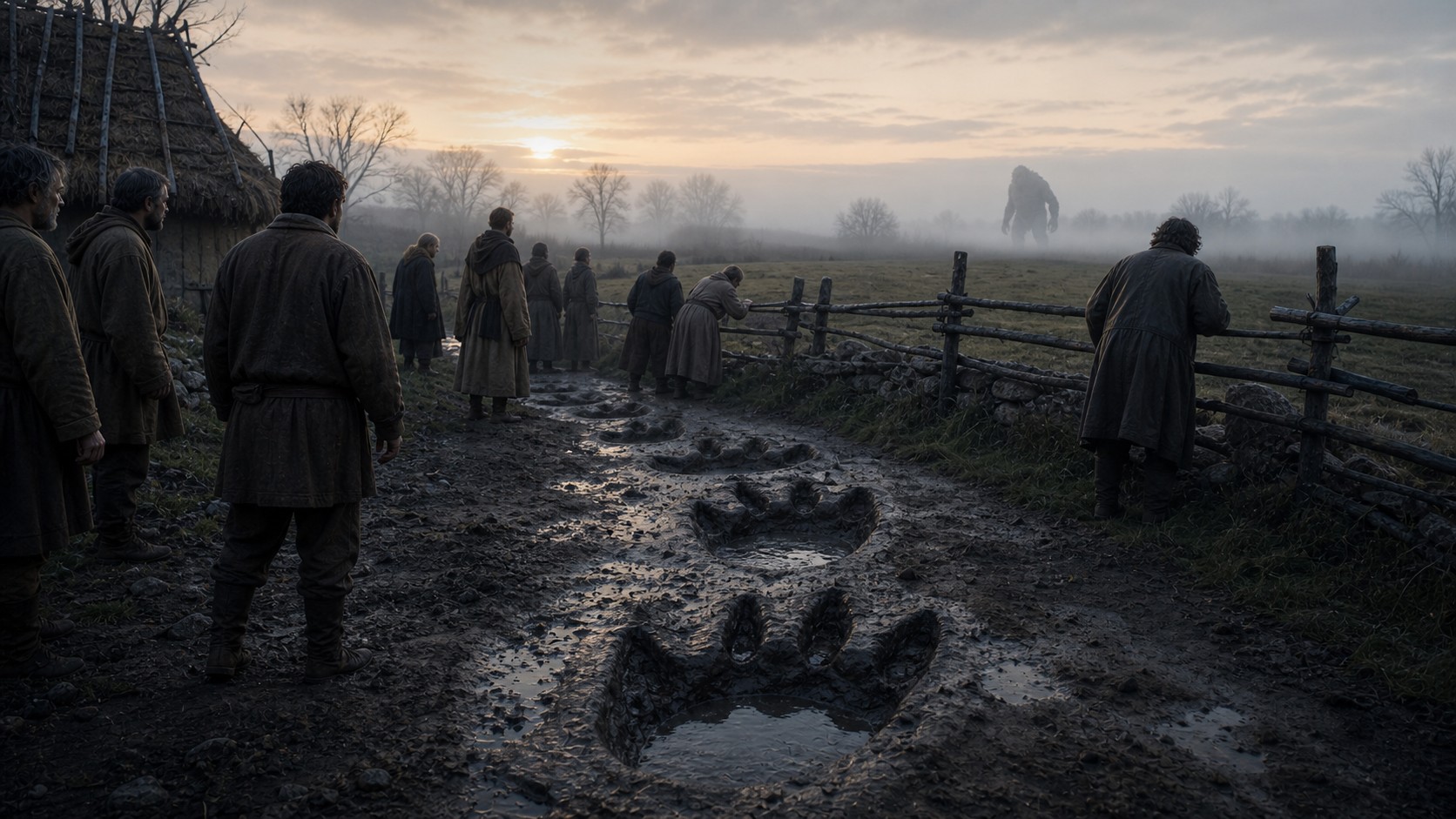
Some of the darkest folklore myths are built around hunger because hunger changes moral life. It turns neighbors into rivals, makes ordinary kindness harder, and forces decisions that people may remember with shame. Folklore often transforms hunger into a figure that devours, bargains, steals, or waits outside the home.
These stories are frightening because they suggest that need can make people unrecognizable. The monster may be supernatural, but the pressure behind it is painfully human. When food, warmth, or shelter vanish, the boundary between civilized behavior and desperate action can feel thin.
Hunger myths also reveal how quickly a community's values can be tested. Generosity, kinship, law, and faith sound stable when there is enough to eat. Under pressure, those values become choices with consequences. Dark folklore remembers that pressure and refuses to treat survival as morally simple.
Broken Trust and Social Punishment
Dark folklore often centers on broken trust. A guest is mistreated, a promise is violated, a child is abandoned, a stranger is mocked, or a family member betrays the dead. The result is rarely private. A curse spreads, a creature appears, a house becomes unsafe, or a road gains a reputation that outlives the original offense.
This pattern made folklore a powerful social tool. It taught that actions could echo beyond the moment and that hidden cruelty might become visible. The darkest versions refuse easy repair. They warn listeners that some violations do not end just because the guilty person wants to move on.
The fear of social punishment is especially strong in small communities where reputation, kinship, and obligation matter. Folklore dramatizes that pressure by making consequence supernatural. The myth says that even if human witnesses are silent, the world itself may remember.
The social punishment in dark folklore is rarely proportional in a modern legal sense, and that is part of its force. A small act of cruelty may produce a curse that lasts generations. A broken promise may poison a house. A refusal of hospitality may call forth a being that does not forgive. The excess makes the story memorable, but it also reflects a communal fear that social bonds are fragile and that one violation can damage everyone.
These myths often insist that hidden harm will eventually surface. A secret burial, an abandoned traveler, a stolen meal, or a mocked mourner becomes impossible to keep private once the supernatural consequence begins. Darkness, in this sense, becomes exposure. The myth drags the concealed offense into public memory.
A curse that lasts too long can feel unfair, but folklore often uses unfairness to express the way harm actually feels to descendants. People inherit consequences they did not choose: debt, shame, grief, danger, ruined homes, and damaged reputations. The supernatural curse gives that inherited burden a story shape.
This is why dark myths often feel communal even when they focus on one family or victim. The consequence spreads outward because the original harm threatened shared values. Hospitality, burial, truth-telling, care for children, and respect for the vulnerable are not private preferences in folklore. They are bonds that hold the community together, and the myth becomes dark when those bonds break.
Children, Vulnerability, and Warning
Many dark myths involve children because childhood vulnerability intensifies fear. Stories about beings near wells, forests, cradles, rivers, or roads often served as warnings, but they also expressed adult anxiety about how easily a child could be lost. The creature made danger memorable in a world where supervision could fail in a moment.
These myths can be difficult to read because they do not always protect innocence. Some punish curiosity, disobedience, or adult neglect with terrible finality. That severity reflects a world in which ordinary dangers were often final too. Folklore did not invent vulnerability; it gave it a shape people could discuss.
Child-centered myths also reveal the limits of adult control. They dramatize the terrible fact that love cannot guard every road, riverbank, hearth, or forest edge. The creature becomes a figure for the gap between responsibility and power. That gap is one reason these stories remain emotionally difficult long after their specific beliefs fade.
Death Omens and the Unfinished Dead
Death omens belong among the darkest folklore myths because they turn anticipation into dread. A sound, animal, light, visitor, dream, or repeated sign announces that loss is coming. The terror lies in the waiting. The listener imagines a world where death has already sent notice, but no one can stop it.
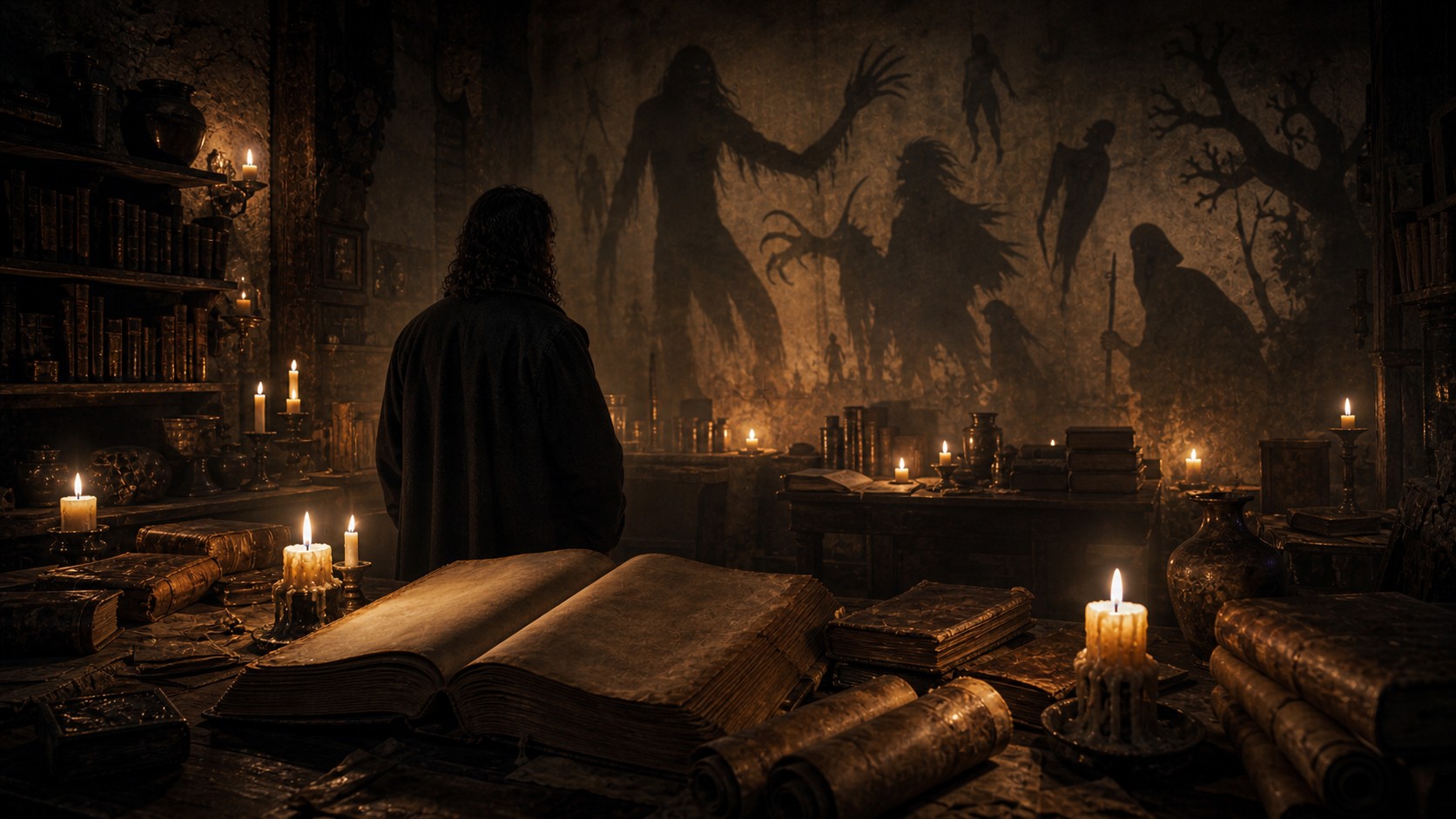
Stories of the unfinished dead carry a different darkness. They suggest that improper burial, betrayal, violence, or unresolved grief can keep a presence active. The dead do not simply vanish; they press back into the living world through footsteps, dreams, cold rooms, roadside figures, or family misfortune.
These myths helped communities think about obligations to the dead. They insisted that mourning, burial, memory, and justice mattered. The frightening figure was also a demand: do not forget what remains unsettled.
Unfinished-dead legends also make mourning active. They suggest that grief requires duties: burial, remembrance, truth, apology, or justice. If those duties fail, the dead remain present in distorted form. The frightening figure is therefore not only an enemy. It is a sign that something human has been left undone.
Why Dark Myths Use Beauty
Some of the darkest myths become more unsettling because they include beauty. A song from the water, a shining visitor, a generous feast, a lovely stranger, or a peaceful-looking path can hide danger. Beauty makes the trap emotionally complicated. The victim is not foolish for approaching; the invitation appears meaningful.
This use of beauty reveals a mature understanding of fear. Danger does not always announce itself with ugliness. Folklore knows that people are drawn by longing, loneliness, hunger, pride, grief, and desire. The darkest myths often punish not simple stupidity, but a vulnerable human wish that has been exploited.
Beauty can also make a dark myth feel tragic rather than merely frightening. The person who follows the song, accepts the feast, or trusts the shining visitor may be responding to real need: hunger, grief, loneliness, or longing. The myth becomes darker because it understands why someone would approach the danger. It punishes the desire, but it also reveals the vulnerability that made the desire powerful.
What the Darkest Myths Protect
The darkest folklore myths protect memory, boundaries, children, hospitality, burial customs, food ethics, and respect for dangerous places. Their cruelty can feel excessive to modern readers, but excess is part of how they survive. A mild warning is easy to forget. A severe story lodges in the mind and returns at the moment of risk.
They also protect emotional honesty. Communities need stories that admit life can be unfair, that grief can haunt, that hunger can distort the self, and that harm can echo beyond one generation. Dark folklore gives those truths symbolic force without pretending they are gentle.
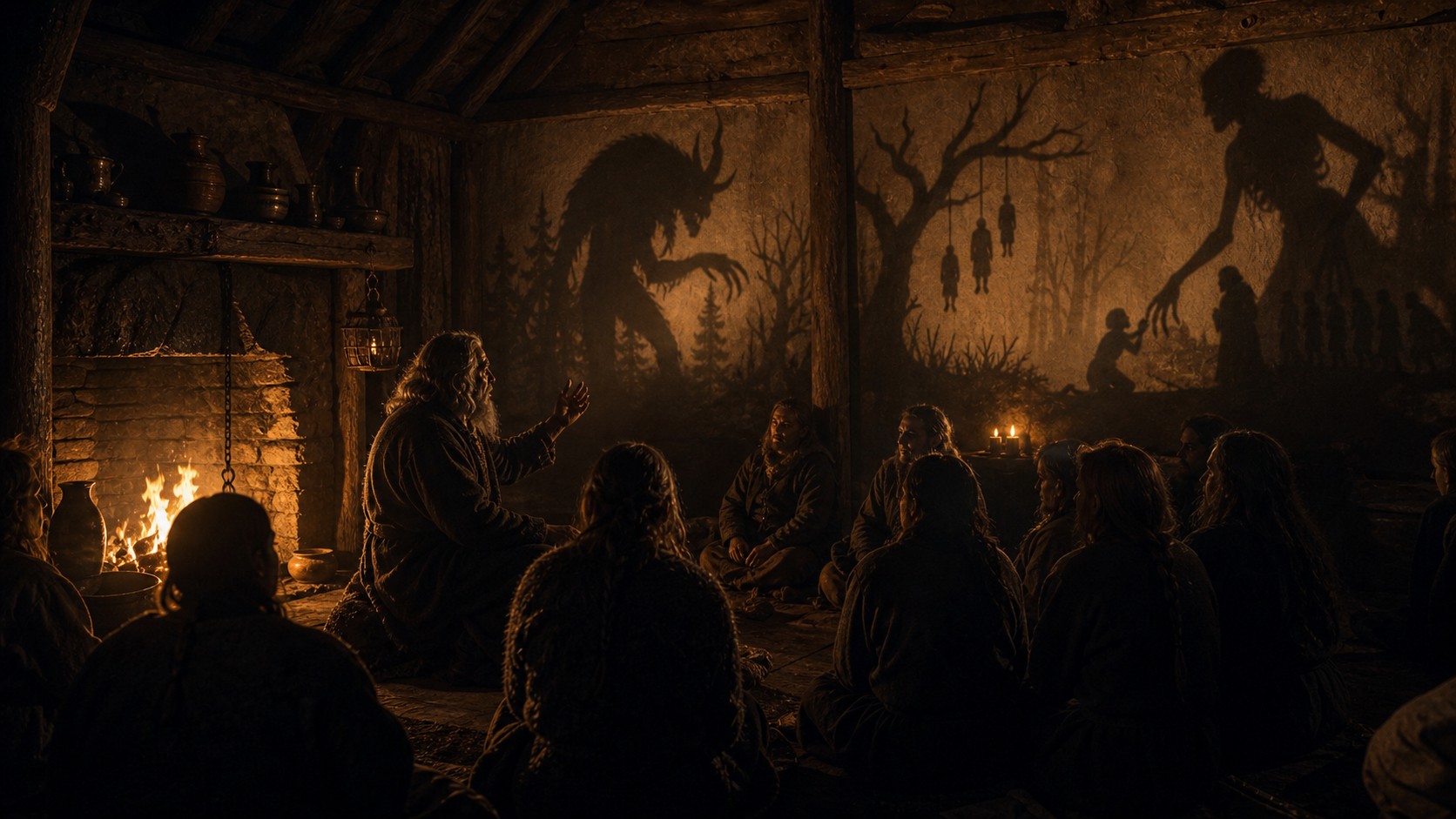
That is why the darkest folklore myths ever told remain powerful. They do not comfort by denying danger. They comfort, if they comfort at all, by making fear shareable. Around a fire, in a family warning, or in a whispered local legend, darkness becomes something people can name together.
The darkest myths also protect against forgetfulness. Their severity may disturb modern readers, but it is precisely that severity that carries memory across generations. A gentler version might disappear. A dark story stays because it leaves a mark.
In that sense, dark folklore is not simply pessimistic. It is protective in a severe key. It remembers where people can fail one another, and it refuses to let those failures become harmless anecdotes. The fear is heavy because the values being defended are heavy too.