How Continents Shape Their Monster Myths
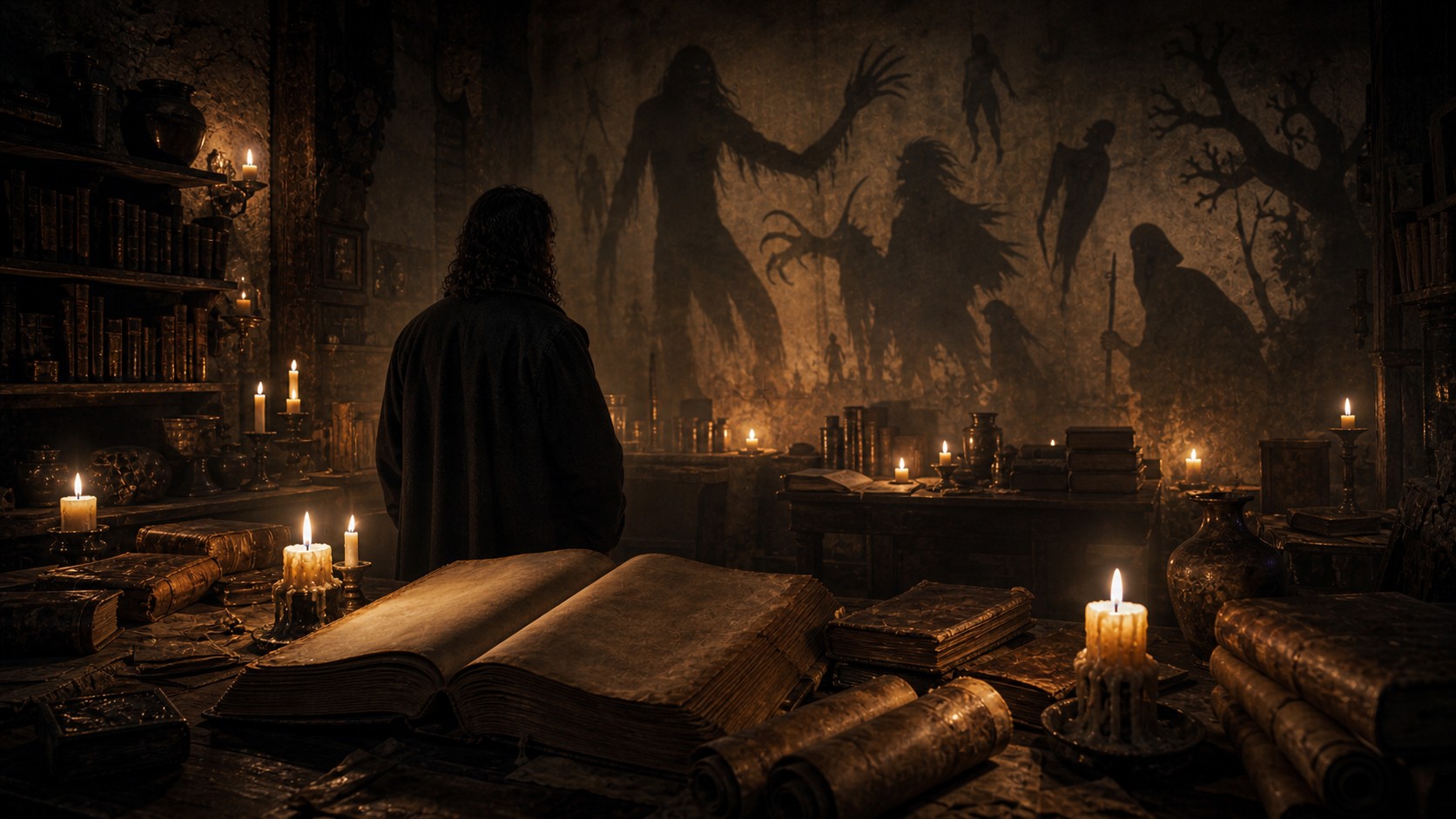
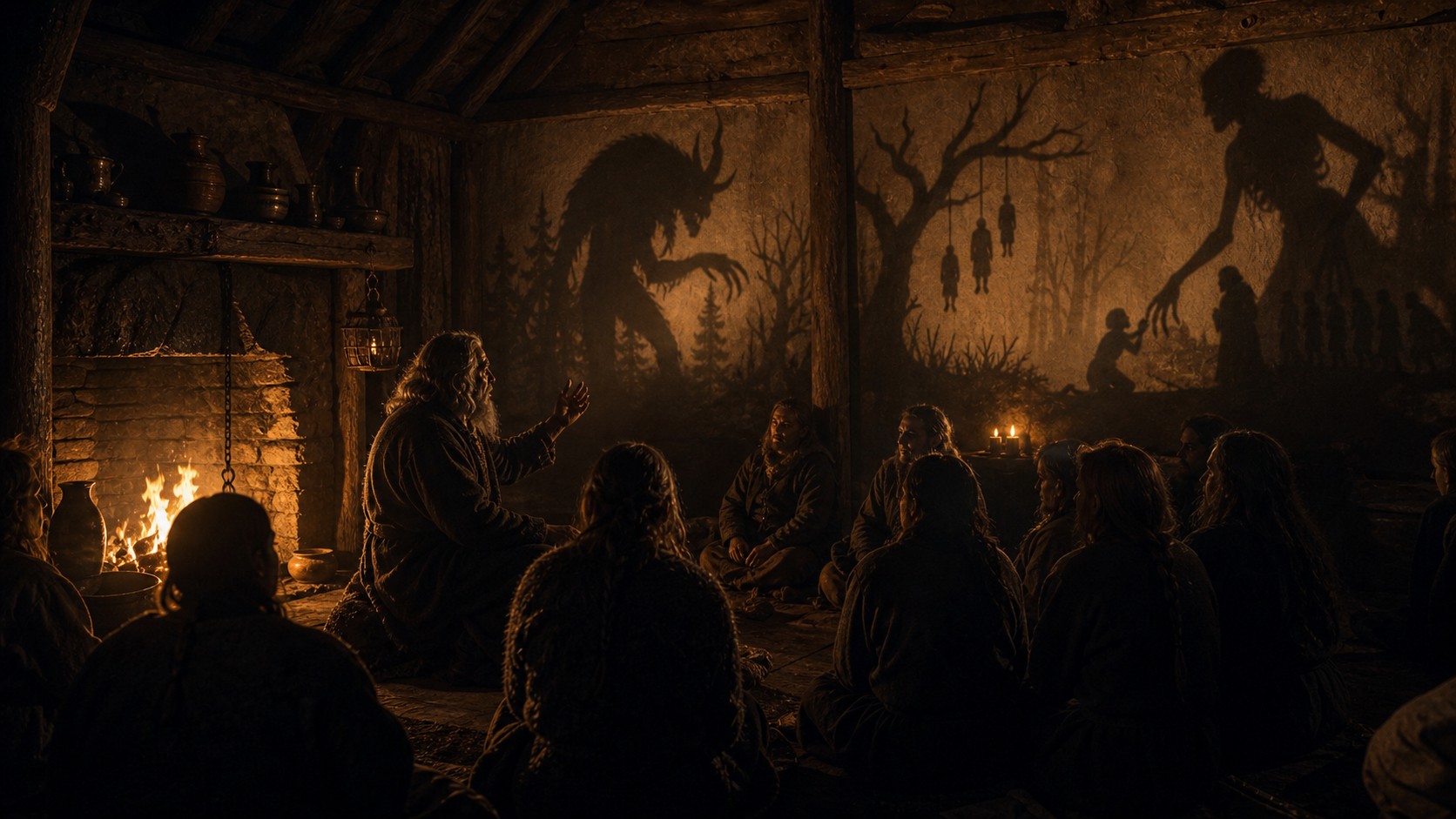
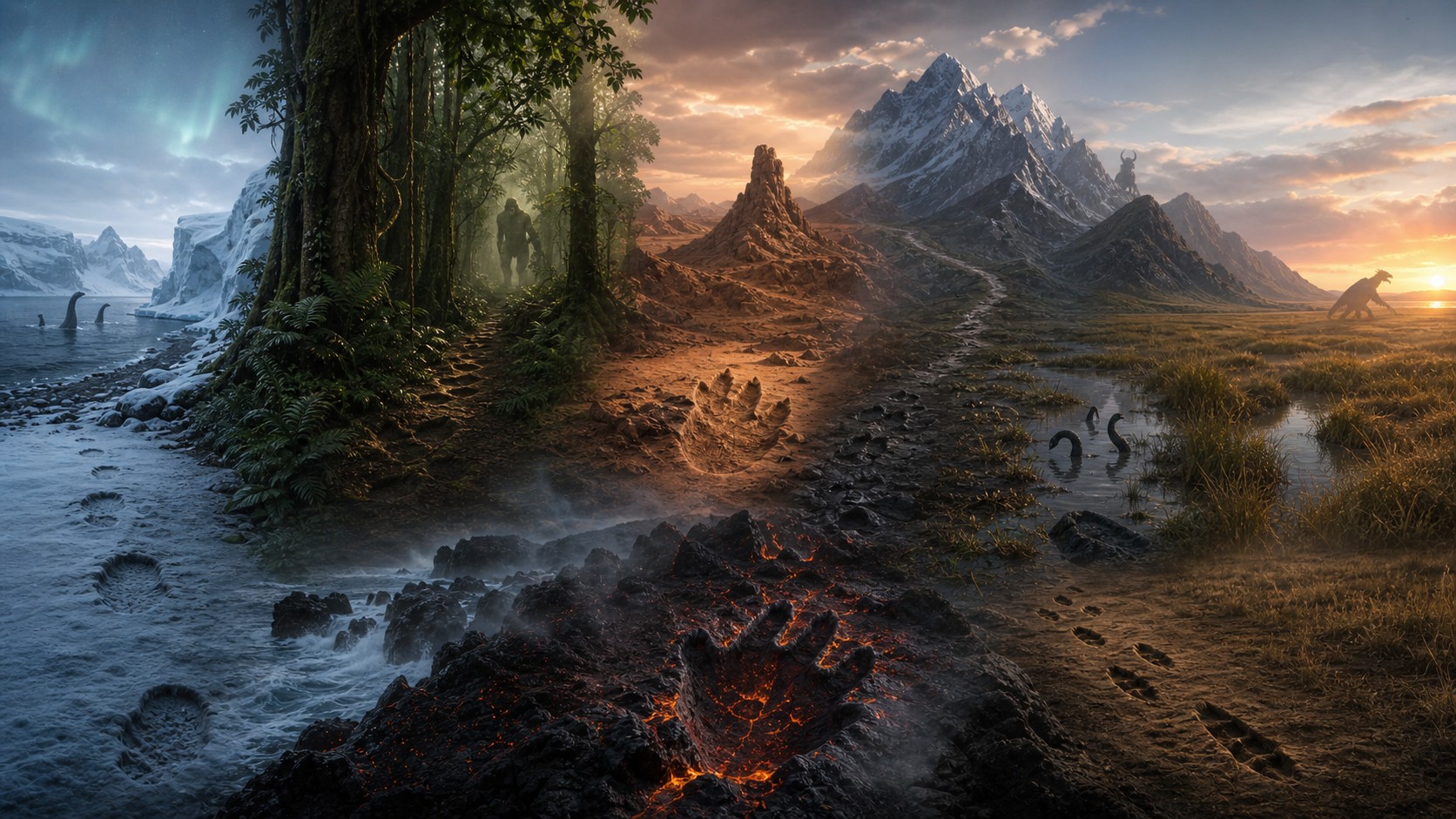
Regional monster myths from every continent show that fear is never detached from place. A creature shaped by polar isolation does not carry the same emotional weight as one formed beside tropical forest, desert road, volcanic coast, crowded city, or ancestral burial ground. Continents contain many cultures, languages, and histories, so no single monster can represent an entire landmass. Still, looking across regions reveals a pattern: monster myths grow where environment, memory, danger, and social rules meet. They are local stories, but they speak in a language of fear people everywhere can recognize. This is why the most useful comparison is not a ranking of frightening beings, but a study of how people in different regions used monster stories to protect knowledge, mark boundaries, and carry local memory forward. It also reminds us that regional myths should be approached as living inheritances where possible, not as raw material detached from the people who preserved them. The creature's meaning begins with place, language, and responsibility. A respectful comparison keeps that responsibility in view. It lets the myths show regional difference instead of forcing them into one tidy global monster chart. That restraint makes the comparison more accurate and more humane. It also keeps the human communities behind the stories visible. Local meaning remains the center. Place still matters. Always locally. Remembered.
Africa: Wilderness, Water, and Ancestral Power
African regional monster myths are extraordinarily diverse, shaped by deserts, forests, savannas, rivers, coasts, kingdoms, pastoral life, and ancestral traditions. Some creatures express the danger of wilderness beyond the settlement. Others belong to water, crossroads, night travel, or the moral obligations between the living and the dead.
Many African traditions also complicate the line between monster, spirit, ancestor, and guardian. A frightening being may punish disrespect, protect a place, or enforce a taboo rather than exist as a simple villain. To read these myths well, the creature must be understood within the community that named it, the landscape it occupies, and the rules it reinforces.
Regional variation matters. A desert warning, a river spirit, and a forest being may all seem monstrous to outsiders, but their purposes can differ sharply. The continent's monster traditions show how fear can defend respect for land, family, ceremony, and unseen authority.
Because Africa is so often flattened in outside summaries, regional care is especially important. A creature from one language community cannot stand for the entire continent, and a sacred presence should not be treated as a novelty monster. The most responsible approach asks what the being does in its own story world: whether it guards, punishes, teaches, deceives, heals, or marks a place where human behavior must change.
This attention to function also keeps comparison from becoming extractive. A being that enforces taboo, protects a water source, or expresses ancestral presence is doing cultural work. Calling it simply a monster may be convenient, but convenience can hide the very meaning that made the story endure.
Asia: Shape-Shifters, Spirits, and Sacred Boundaries
Asia's regional monster myths include an enormous range of beings: shape-shifters, hungry spirits, mountain watchers, serpent figures, fox-like tricksters, household presences, river creatures, and guardians of sacred spaces. Many are unsettling because identity itself becomes unstable. A person, animal, object, or voice may not be what it appears to be.
Sacred geography plays a major role in many Asian traditions. Mountains, shrines, forests, rivers, and abandoned places can become spiritually charged. A monster or spirit associated with such a place may not be evil in a narrow sense. It may represent imbalance, resentment, pollution, hunger, or the need to approach a boundary correctly.
In many Asian examples, the question is not simply whether a being is frightening, but whether a relationship has become disordered. Hunger, resentment, improper burial, broken etiquette, spiritual pollution, or disrespect for place may produce the encounter. The monster is therefore a symptom as well as a threat. It shows that something in the social or sacred world needs attention.
Europe: Forests, Roads, Curses, and the Unquiet Dead
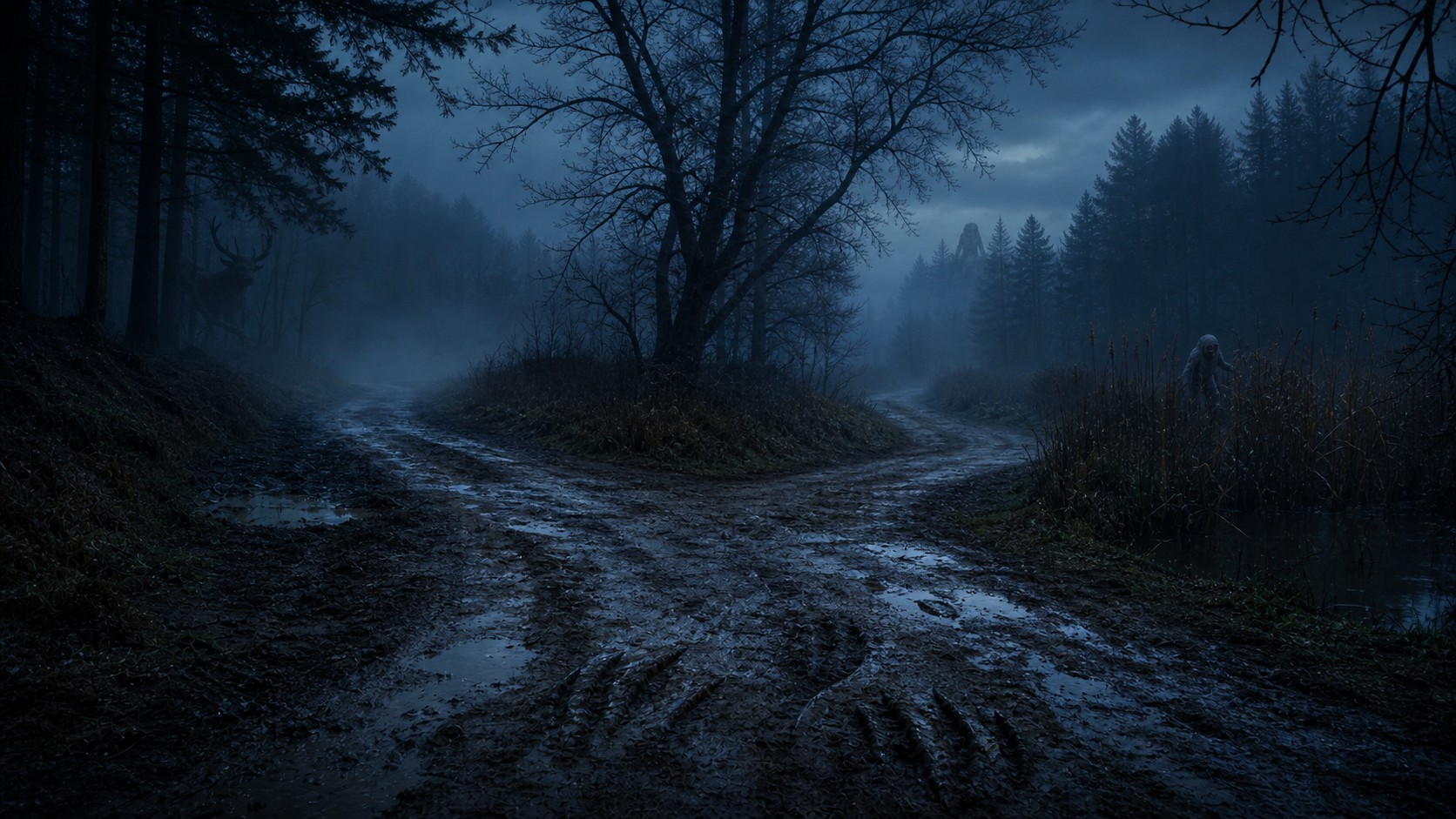
European monster myths often draw on forests, ruins, moors, old roads, graveyards, winter nights, and village boundaries. Creatures associated with wolves, revenants, household visitors, cursed families, and deceptive strangers became especially powerful in regions where travel was difficult and communal reputation mattered.
Christianization, older pagan traditions, local superstition, plague memory, and courtly literature all shaped European creature legends. A being might be interpreted as demon, fairy, revenant, witch, cursed human, or old land spirit depending on the period and place. This layering gives many European monsters their uneasy depth.
Regional specificity remains essential. A northern winter figure, a Balkan revenant, an island water being, and an Alpine night creature do not express the same fear just because they are European. Each belongs to a narrower landscape of weather, religion, labor, and local memory.
Asian shape-shifting traditions are particularly useful for understanding fear of unstable identity. The frightening moment may not be the attack, but the discovery that a host, spouse, animal, stranger, or object was never what it seemed. Such myths explore trust, desire, etiquette, pollution, and spiritual imbalance through transformation. Their monsters are often unsettling because they move through social life rather than staying outside it.
Many Asian traditions also show how monsters can be bureaucratic, familial, or domestic rather than purely wild. Spirits may belong to houses, objects, lineages, debts, or places where etiquette has failed. The result is a form of fear tied to relationship. The creature unsettles because social life itself becomes spiritually charged.
North America: Indigenous Traditions and Modern Legends
North American monster myths include Indigenous traditions with deep local meaning as well as later settler, frontier, urban, and internet-era legends. These categories should not be blended carelessly. Indigenous beings often belong to specific nations, languages, ceremonial contexts, and land relationships that deserve respect rather than casual monster-labeling.
Later regional legends often reflect forests, mines, highways, lakes, abandoned towns, and the anxieties of expansion. Creatures attached to remote woods, roadside sightings, or hidden waterways speak to isolation and the uneasy feeling that modern settlement did not fully domesticate the land.
The continent's monster traditions therefore reveal both continuity and disruption. Some stories protect sacred knowledge and local law. Others reveal settler fears, industrial danger, media amplification, and the appeal of unexplained sightings in vast landscapes.
European legends likewise show how older beliefs can survive under new religious language. A local being may be reclassified as a demon, fairy, ghost, witch, or cursed soul while preserving older fears about land, seasons, death, and obligation. The label changes, but the regional pressure remains.
South America: Rainforest Depth, Mountains, and Colonial Memory
South American regional monster myths often draw power from rainforest density, river systems, mountains, caves, colonial violence, and blended Indigenous, African, and European traditions. Many creatures are tied to water, animal transformation, hidden forest presence, or punishment for social and ecological disrespect.
The rainforest is especially potent in monster folklore because it surrounds, conceals, and listens. Visibility is limited, sound travels strangely, and paths can become uncertain. A creature associated with such a place does not need to be seen clearly to feel convincing.
Mountain and highland traditions add another register of fear: altitude, weather, isolation, sacred peaks, and old routes. Across the continent, monster myths often reveal concern with reciprocity: how people treat land, animals, strangers, promises, and the dead.
North American comparison requires special caution because sacred Indigenous traditions and commercialized modern legends circulate in the same broad space but do not carry the same responsibilities. A roadside cryptid story, an internet legend, and a being from a living ceremonial tradition should not be handled as equivalent entertainment categories. The difference matters ethically and interpretively.
This distinction also helps explain why some names should be avoided or treated carefully outside their communities. Respectful discussion can acknowledge that regional monster traditions exist without stripping protected stories from their cultural boundaries. Not every frightening being is public material for casual retelling.
Australia, Oceania, and Polar Regions
Australia and Oceania contain rich regional traditions shaped by islands, deserts, reefs, ancestral law, navigation, storms, and deep relationships with land and sea. As with Indigenous traditions elsewhere, many beings should be approached with cultural care. They are not merely spooky creatures for entertainment; they may belong to living systems of knowledge, law, and place.
Island monster myths often carry the anxiety of ocean travel, isolation, reefs, storms, and beings that move between land and sea. Desert traditions may emphasize water sources, forbidden places, and the seriousness of ancestral presence. The environment shapes not only the creature's appearance, but also what kind of behavior the story demands.
Polar and subpolar monster stories, where they appear, often draw on cold, darkness, hunger, distance, and the psychological pressure of survival at environmental extremes. The fear is not decorative. It comes from conditions that can overwhelm human confidence quickly.
South American monster traditions also reveal how ecology and ethics meet. A forest or river being may warn against greed, disrespect, overhunting, broken promises, or careless entry into places where humans are not the only meaningful presence. The creature makes environmental caution feel personal.
Why Continental Comparison Needs Humility
Comparing monster myths from every continent can be useful, but it must be done humbly. Continents are not single cultures. They contain many peoples, languages, histories, and sacred systems. A responsible comparison looks for patterns without pretending that every creature can be removed from its local world and placed into a simple global chart.
The strongest pattern is that monsters mark relationships. They mark relationships between people and land, living and dead, guest and host, child and danger, traveler and road, community and outsider, human and animal, sacred and ordinary. Their bodies vary because those relationships vary.
Regional monster myths endure because they teach attention. They ask listeners to notice where they are, whose stories belong there, what rules matter, and what forms of danger the landscape has taught people to remember. From every continent, the lesson is not that all monsters are the same. It is that every place has its own way of making fear meaningful.
Continental comparison also reveals how modern media can exaggerate some regions while ignoring others. A creature becomes globally famous if it has a striking silhouette, easy name, or strong online hook, while equally important local beings remain less known because they are harder to translate or less commercialized. Popularity is therefore not the same as cultural importance.
The better goal is not to crown the most famous monster from each continent. It is to see how different communities use fear to teach attention. A monster myth can ask people to respect water, remember the dead, avoid arrogance, honor hosts, protect children, or recognize that the land has meanings older than any visitor's curiosity.
Humility is not a decorative scholarly virtue here; it changes the answer. A careless comparison asks which continent has the scariest monster. A better comparison asks what each story protects, remembers, or warns against. That question lets regional myths remain distinct while still speaking to one another.