Why Modern Urban Myths Still Feel Believable
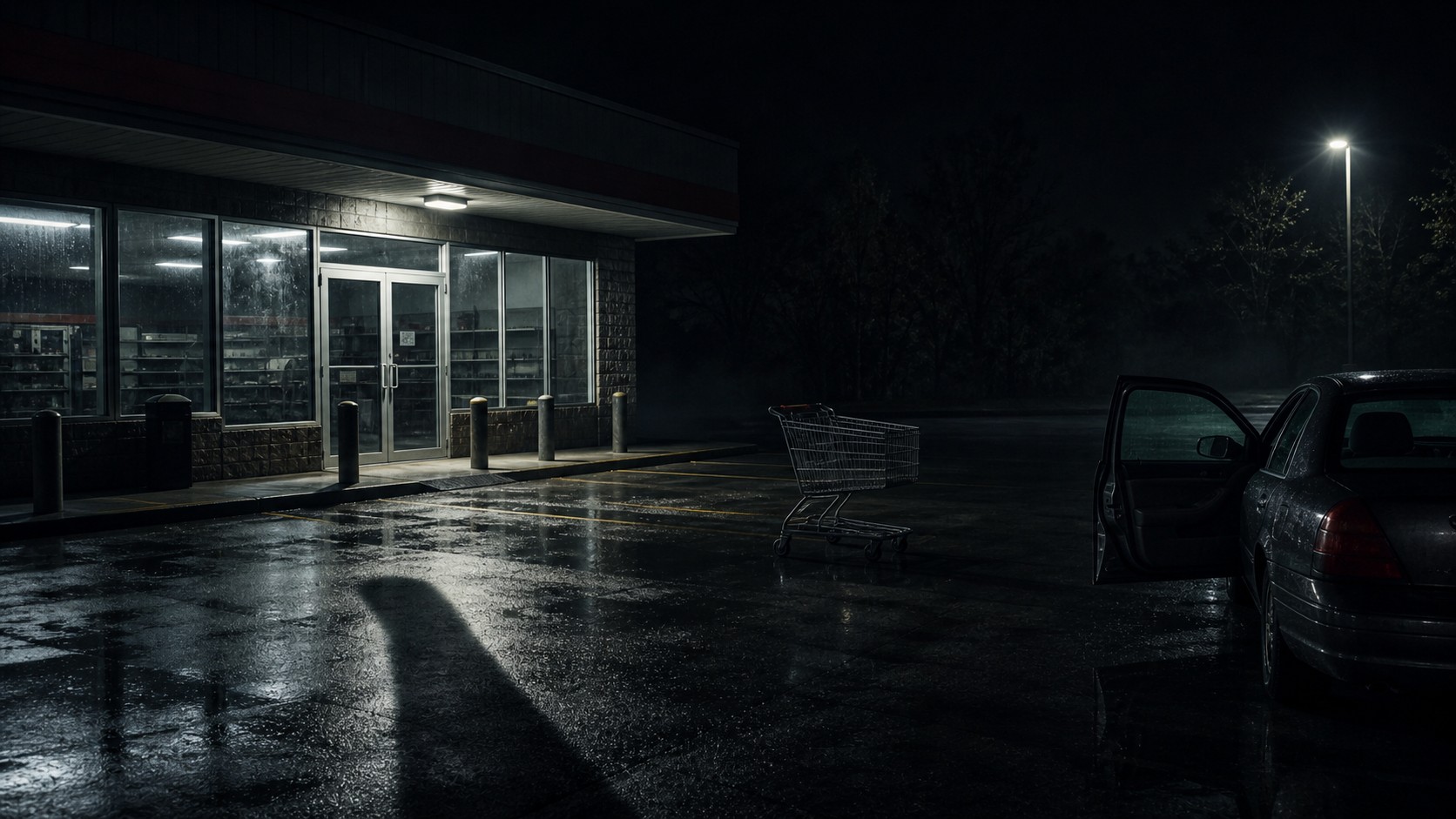
The creepiest modern urban myths that still fool people do not usually begin like obvious fantasy. They sound close enough to daily life to slip past our defenses: a warning from a friend, a story about a stranger in a hallway, a rumor about a hidden danger in a public place, a post that seems to explain something everyone has vaguely feared. Their creepiness comes from plausibility. They borrow the texture of real apartments, parking lots, elevators, phones, hospitals, schools, rideshares, and city streets. Even when the details are false, the emotional setting feels familiar enough that people hesitate before dismissing it. These myths also thrive because modern life constantly asks people to trust incomplete information. We trust elevators we did not inspect, buildings we do not manage, apps we do not understand, strangers we cannot verify, and messages we receive without context. A creepy urban myth enters that daily trust system and suggests that one ordinary assumption may be dangerously wrong. That suggestion is powerful because it does not need to prove that every system is unsafe. It only needs to make one familiar routine feel newly uncertain. Once that uncertainty lands, the story feels less like entertainment and more like a warning that arrived just in time. The most effective modern myths also use emotional precision. They know when people feel exposed: entering a parking garage, waiting for an elevator, opening a message from an unknown number, hearing a sound in a shared hallway, or realizing a stranger has noticed them. These moments are not extraordinary, but they are vulnerable. The myth attaches itself to that vulnerability and then supplies a dramatic explanation. That is why people who would reject a wild fantasy may pause over a creepy urban warning. The story is built from materials they already know. Creepy urban myths also benefit from partial privacy. Many of their settings are public enough to include strangers but private enough to lack witnesses: stairwells, rideshares, hotel rooms, elevators, laundry rooms, and apartment corridors. If something strange happens there, people may have only a fragment to share. The myth turns fragments into certainty. It supplies motive, pattern, and threat where real life supplies only unease. Another reason these myths fool people is that they often arrive during moments of distraction. Someone reads the warning while tired, commuting, caring for children, or scrolling between real emergencies and ordinary errands. The mind does not always switch into careful verification mode. A story that is vivid, short, and frightening can settle in before analysis begins. Later, when the person retells it, they may remember the emotion more clearly than the source. The creepiest versions also leave room for self-protection. They make listeners feel that a small change in behavior could prevent disaster: wait for another elevator, avoid the hallway, ignore the message, check the car, call someone before entering. That promise of control is seductive. It makes the myth feel practical, and practical fear is much easier to share than abstract unease.
Plausibility Is the Hook
Modern urban myths work because they usually contain one believable element. The whole story may collapse under scrutiny, but a piece of it feels possible: cities can be anonymous, strangers can be dangerous, technology can be confusing, institutions can make mistakes, and people do sometimes ignore warnings. The myth builds on that small truth.
This is different from a traditional monster tale that announces the supernatural openly. An urban myth often hides inside realism. It may involve a phone call, a roommate, a cab ride, a hospital corridor, an apartment building, or an ordinary product. The setting says, this could happen near you.
That closeness makes people share the story before checking it. The cost of disbelief feels high. If the warning might be true, passing it along seems safer than staying silent.
Plausibility also depends on timing. A myth about public danger spreads best when people already feel unsettled by recent news, local crime, new technology, or a visible change in the neighborhood. The story arrives as an explanation for a mood that already exists. It feels less like a claim and more like confirmation.
Trusted Networks Spread Bad Information
Urban myths are most persuasive when they arrive through trust. A stranger's post may be ignored, but the same story forwarded by a relative, coworker, neighbor, or local group feels different. The person sharing it may not be trying to deceive anyone. They may be anxious, protective, or simply impressed by the story.
This trust transfer is one reason creepy myths survive debunking. The recipient is not only evaluating the claim; they are evaluating the relationship. Correcting the story can feel like accusing someone of foolishness. Many people choose to pass it along instead, especially when it frames itself as a safety warning.
Trusted networks can also shield a myth from embarrassment. If a family member shares a frightening warning, recipients may hesitate to challenge it publicly. They may forward it quietly, soften their skepticism, or treat it as harmless caution. That politeness becomes part of the myth's circulation system.
Everyday Places Become Threat Stages
Modern urban myths often choose places where people already feel lightly vulnerable. Parking garages, hotel hallways, elevators, bathrooms, rideshare cars, laundromats, gas stations, apartment stairwells, and late-night sidewalks all carry small anxieties. The myth does not create those feelings from nothing; it amplifies them.
The creepiness grows when the place is ordinary enough to be unavoidable. People cannot stop using elevators, phones, public restrooms, or delivery services. A myth attached to everyday infrastructure follows people into routine. It makes a normal action feel newly conditional.
This is why apartment and hallway myths are so effective. Shared buildings blur private and public space. A hallway is near home but not fully yours. A knock, a shadow, or a person waiting by the elevator can feel more intimate than a threat on a distant street.
Urban infrastructure is especially good at producing small uncertainties. Elevators pause, hallway lights flicker, cameras blur, doors stick, and unfamiliar people appear in semi-private spaces. Most of these moments are meaningless. A creepy urban myth teaches people to arrange them into a pattern.
The myth becomes sticky when the pattern seems actionable. Avoid this hallway. Do not answer that knock. Check this place before sitting down. Fear feels easier to tolerate when it comes with a behavior, even if the behavior is based on a false story.
Technology Adds New Uncertainty
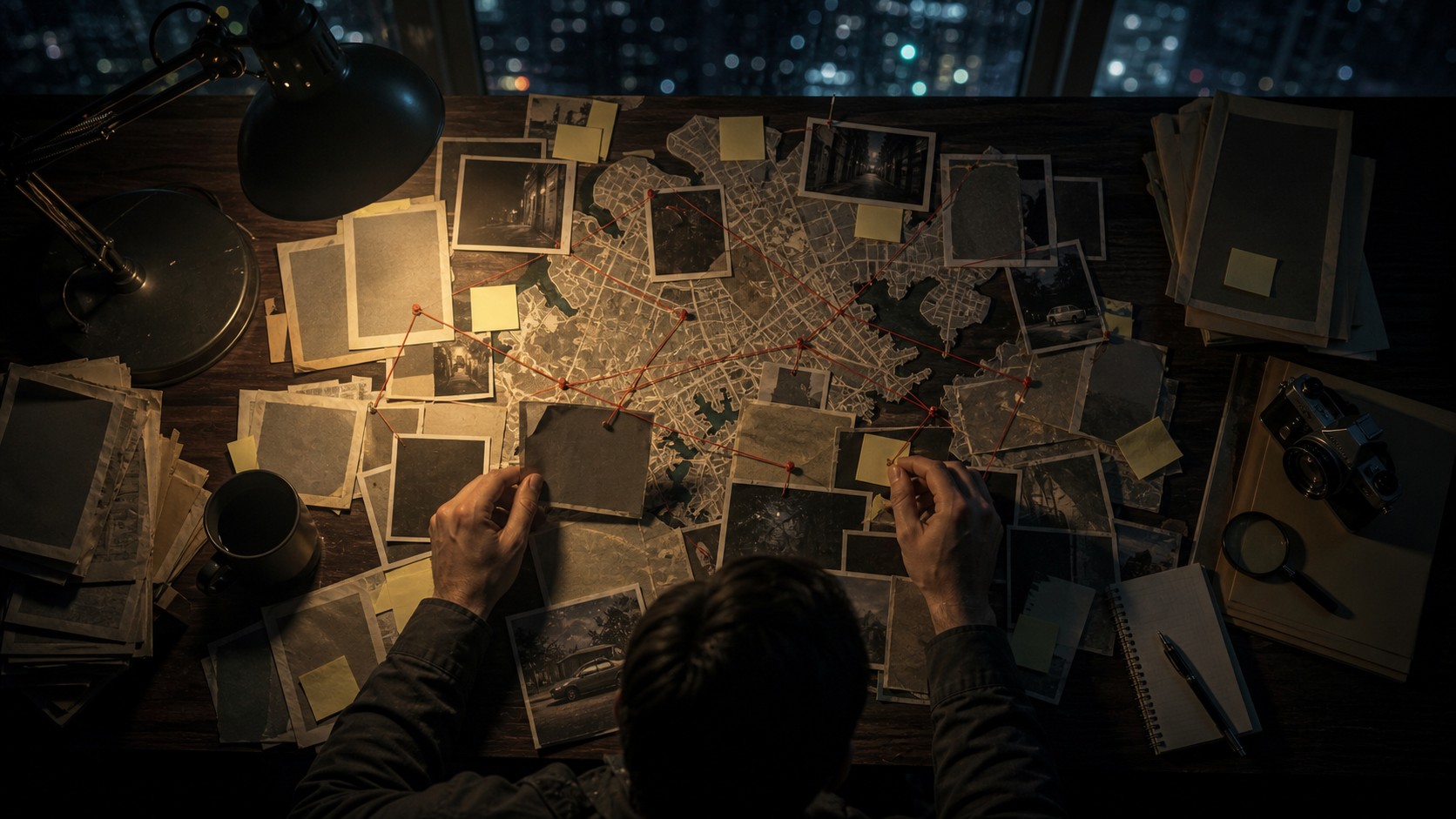
Phones, cameras, apps, doorbells, and social platforms have changed urban mythmaking by creating new forms of partial evidence. A blurry image, missing context, clipped video, screenshot, or distorted audio can make a story feel documented without making it true. The evidence invites interpretation, and the myth supplies it.
Technology also spreads urgency. A rumor that once moved through neighborhoods can now reach thousands of people quickly. The speed rewards emotion over verification. If a story produces fear, disgust, or protective concern, it travels before careful questions catch up.
Yet technology does not make urban myths entirely new. It updates older patterns. The stranger at the door becomes the stranger on the doorbell camera. The haunted phone call becomes the unknown number. The local warning becomes the viral thread.
Technology also creates an illusion of closeness. A story from another state can appear on a phone beside local messages, family photos, and neighborhood alerts. That placement makes distance harder to feel. The myth enters the same stream as real life, so it can borrow the intimacy of the device.
Why Creepy Myths Resist Debunking
Debunking an urban myth often answers facts, but the myth may be feeding an emotion. A story about hidden danger in public space may express real fears about crime, isolation, or lack of control. A false warning can still feel emotionally true because it attaches to anxieties people already carry.
Some myths also survive by changing details. When one version is disproven, another moves the setting, changes the victim, adds a new witness, or updates the technology. The core fear remains stable while the surface adapts. That flexibility makes the myth difficult to kill.
Another reason is narrative satisfaction. A good urban myth has a clean reveal: the danger was under the bed, the caller was inside the house, the harmless object was a trap, the ordinary stranger knew too much. Reality is often messier. The myth wins attention because it gives fear a sharper shape.
Debunking also struggles because creepy myths often protect the believer's self-image. The person who shared the warning wanted to be alert, careful, and helpful. A correction can feel like a social threat. The myth may therefore become emotionally defended even after the facts weaken.
This is why patient correction works better than ridicule. People need a way to step away from the story without feeling that their protective instincts were foolish. The goal is not to shame caution, but to redirect it toward evidence.
The Ethics of Sharing Warnings
Sharing a frightening warning can feel responsible, but it can also spread panic, suspicion, or harm. Modern urban myths sometimes target strangers, neighborhoods, workers, technologies, or groups of people without evidence. A false story can make listeners more fearful while making real safety harder to discuss clearly.
The better response is not cynicism. It is careful attention. Ask who is named, what evidence exists, whether a local authority or reliable source confirms it, and whether the story is asking for fear before it offers facts. A true warning can survive verification. A myth often depends on urgency preventing it.
This matters because fear changes behavior. People may avoid places, accuse others, waste emergency resources, or share private details based on a story that was never true. Folklore has power, and modern folklore moves fast.
Why They Still Fool Us
Creepy modern urban myths still fool people because they meet a real human need: the need to anticipate danger. No one wants to be the person who ignored the warning. The myth exploits that protective instinct by making uncertainty feel like evidence.
They also fool people because modern life is genuinely complex. We depend on strangers, systems, buildings, devices, and platforms we do not fully understand. Urban myths turn that complexity into a story with a villain, a trap, or a secret rule. The explanation may be false, but the relief of having an explanation is real.
That is why the creepiest urban myths continue to spread. They are not relics from a gullible past. They are living stories built for crowded, networked, anxious environments. Their danger is not only that they scare us, but that they can make fear feel like knowledge.
The myths that still fool people are often the ones that understand everyday vulnerability best. They do not ask listeners to believe in impossible creatures. They ask listeners to believe that a building, stranger, device, or routine might hide a danger they almost missed.
That near-miss feeling is powerful. It lets the listener become the person who knows better now. In that sense, the myth offers identity as well as fear: the sharer becomes vigilant, the believer becomes prepared, and the story becomes a badge of awareness.