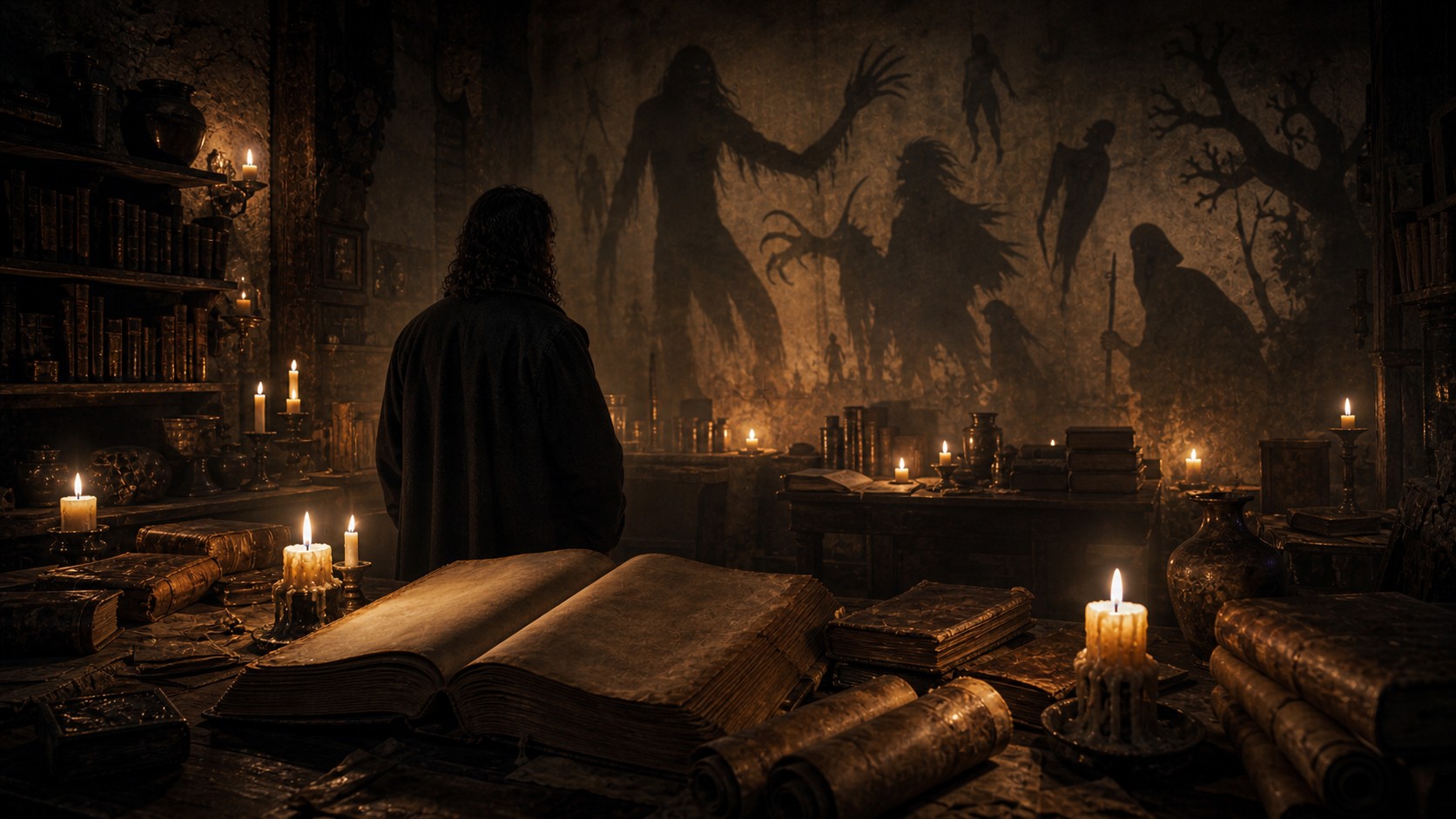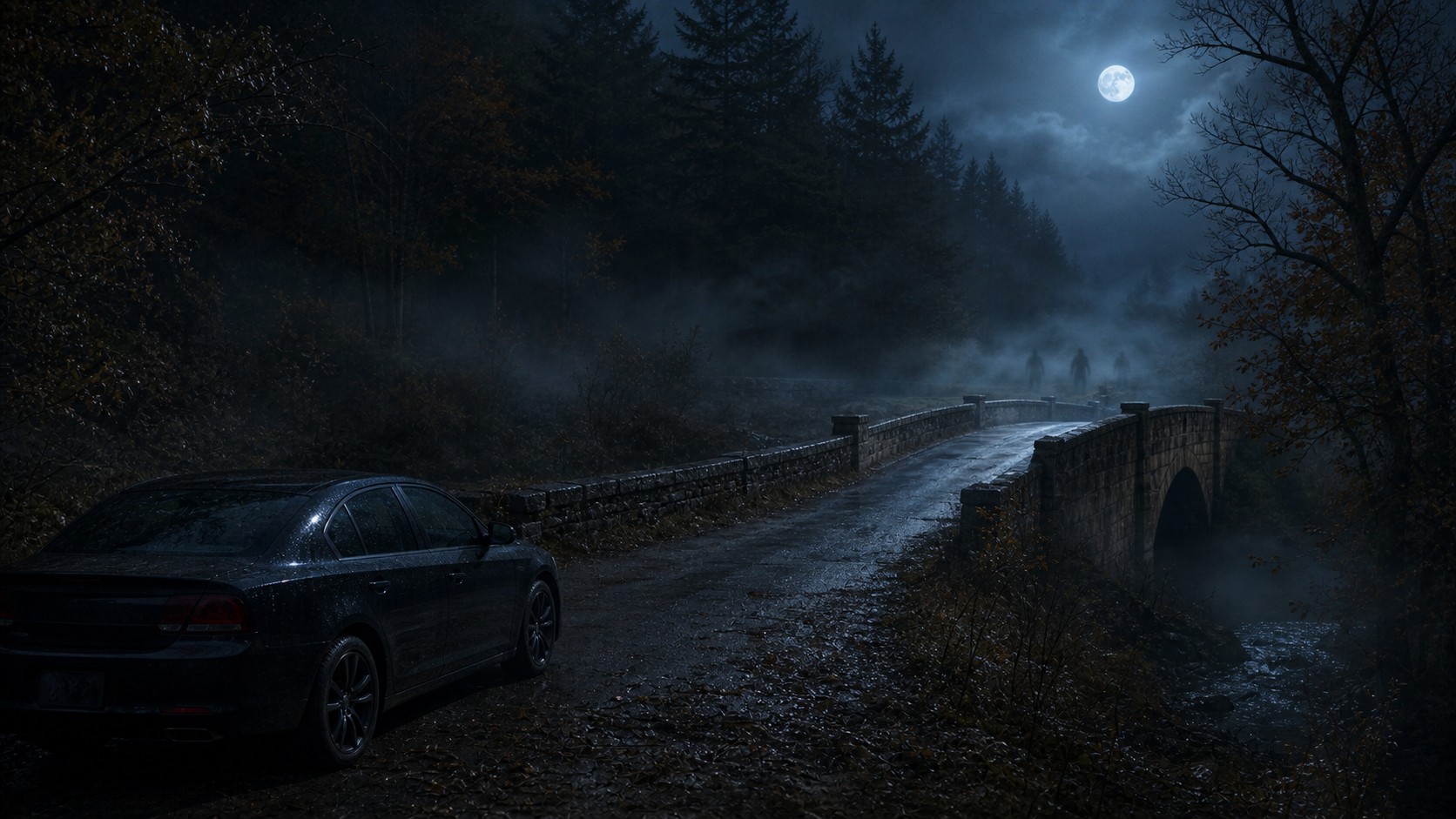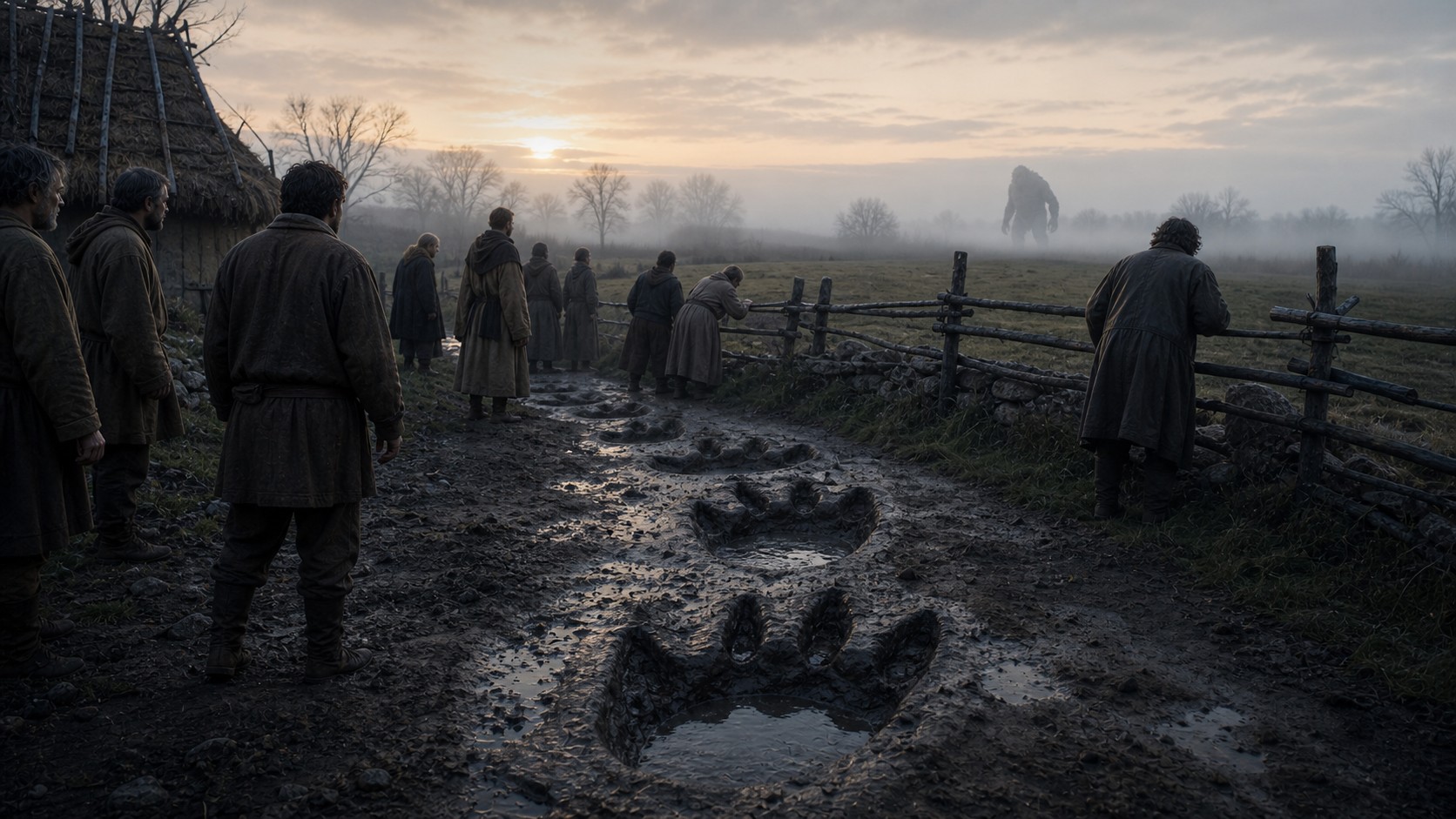
Why Folklore Creatures Could Feel Like Facts
Folklore creatures that people once believed were real did not usually depend on one dramatic sighting. Belief grew when many small pressures supported one another: a dangerous place, a trusted witness, a vanished animal, a strange track, an elder's warning, a ritual rule, a story repeated after every accident. In that environment, the creature could feel less like fantasy than like a practical explanation for risk. Modern readers may separate legend from evidence quickly, but older communities often lived with uncertainty, distance, darkness, and limited verification. A folklore creature became believable when it helped organize the unknown. Belief was also shaped by the pace of older life. News moved slowly, travel could be dangerous, and many communities depended on oral testimony from people who knew the land better than any outside authority. If a shepherd, fisher, hunter, healer, or elder said a place was dangerous, the warning carried practical weight. A creature story might sound supernatural, but it often traveled with knowledge about weather, animals, terrain, illness, and social rules. People believed because belief was woven into caution, and caution was part of survival. That does not mean every listener imagined the creature identically. It means the story had enough authority to shape decisions. In many cases, the creature also gave people a way to talk about risk without accusing a person or institution directly. If children were lost near a river, if livestock vanished, or if travelers failed to return, the creature story could absorb grief and blame into a form the whole community could discuss. That made belief emotionally useful. It gave people something to fear, but also something to name. Naming danger can make it feel more manageable, even when the name belongs to folklore. Belief also depended on humility before environments that could kill quickly. A river, bog, winter road, or dense forest did not need a monster to be dangerous, but the monster made that danger memorable and socially enforceable. The story told people not only that a place was risky, but that the risk had a history and a personality. That personalization mattered. It made caution easier to teach and harder to dismiss. That social enforcement could be gentle or severe. A child might hear the creature named as a warning, a traveler might be advised to take another path, and a household might keep a custom no one wanted to test. The creature made caution communal. It turned private fear into shared practice, which is one reason belief could survive even among people who quietly wondered how literal the story was.
Belief Built From Repetition
A single tale can be doubted, but repeated tales begin to feel heavier. If travelers avoid the same road, parents warn children from the same water, and several families remember losses near the same place, a creature story gains social weight. The legend becomes part of the community's pattern of attention.
Repetition also changes how evidence is interpreted. A broken fence, a sound at night, a missing goat, a footprint in mud, or a light near a marsh may seem ordinary elsewhere. In a place already associated with a creature, the same detail becomes confirmation. Belief grows because the story teaches people what to notice.
That does not mean every person believed in the same way. Some may have expected a literal being, while others treated the story as caution, ritual truth, or local memory. The creature's reality often lived in behavior: people avoided, respected, offered, whispered, or warned.
Belief also grew from the social cost of ignoring older knowledge. If grandparents, ritual specialists, hunters, and neighbors all treated a creature story seriously, a younger skeptic had to decide whether disbelief was worth the risk. In many communities, caution was not weakness. It was a way of honoring accumulated experience.
Witnesses and the Authority of Survival
Folklore belief often depended on witnesses whose experience could not be dismissed easily. A hunter, midwife, sailor, shepherd, miner, traveler, or elder might describe something seen under stress. If that person was trusted, their account carried more force than a rumor from nowhere.
Survival gave testimony additional authority. Someone who returned from a dangerous route, escaped a night encounter, or found evidence after a storm spoke from the edge of risk. Listeners might question details, but they were less likely to ignore the warning completely. The witness had earned attention.
The witness did not need perfect language to be persuasive. Trembling, injury, exhaustion, or refusal to return to a place could speak as strongly as a detailed description. Communities often read the body of the survivor as part of the evidence. Fear itself became testimony.
Dangerous Places Made Creatures Plausible
Folklore creatures often became believable because their homes were genuinely dangerous. Marshes spread sickness and swallowed steps. Rivers drowned the careless. Forests concealed predators and disoriented travelers. Mountains changed weather quickly. Abandoned places collapsed or attracted crime. The creature explained a danger that people already respected.
This is why disbelief did not always erase the legend. Even if someone doubted the being, they might still avoid the place. The practical danger kept the story useful, and usefulness kept it alive. Over time, the survival of the warning could look like proof that the creature had power.
A creature attached to a dangerous place also benefits from absence. Water hides bodies, forests hide tracks, snow covers evidence, and darkness ruins perception. When proof is incomplete, story fills the gap. Folklore thrives in exactly that space between experience and certainty.
Dangerous places also protected the legend from easy testing. A person could not safely prove that a marsh creature was false by walking alone into the marsh at night. The risk of the place limited experimentation. Folklore belief often survived because the cost of disproof was too high.
That survival gave the creature a peculiar authority. It did not have to appear often. The place continued doing enough harm, or threatening enough harm, that the story retained practical force. The creature lived partly in the community's refusal to treat the danger casually.
Animals, Tracks, and Misread Evidence
Real animals shaped many beliefs in folklore creatures. A rare predator, unfamiliar call, unusual track, or half-seen body at dusk could be enlarged through fear. People often identified danger from fragments, not calm observation. A flash of eyes, a shape behind reeds, or a torn carcass may be enough to begin a story.
Tracks and remains were especially persuasive because they seemed physical. A strange footprint in mud, a large bone, a damaged door, or an animal found dead gave belief something to point toward. The interpretation might be wrong, but the object was real. That mixture made the creature feel harder to dismiss.
Misread evidence also tends to become more dramatic in retelling. The track grows larger, the claw mark deeper, the sound more deliberate. The community may not be inventing from nothing; it is translating uncertainty into the creature language it already knows.
Evidence was also interpreted through available categories. Without modern zoology, forensics, photography, or fast communication, people used familiar stories to explain unfamiliar signs. That does not make them foolish. It shows that every society interprets evidence through the concepts it has available.
Even today, people misread ambiguous images and sounds when they are frightened. The difference is not that modern minds are immune. The difference is that modern people have different tools for correction, and even those tools do not always prevent rumor.
Animal evidence could also become communal evidence. One person might find the track, another might remember a warning, another might connect it to a story from childhood, and another might insist the same thing happened years earlier. The creature became believable through that gathering of interpretations. Each contribution made the uncertainty feel less isolated.
Ritual, Taboo, and Official Fear
A folklore creature became more believable when it appeared inside ritual or taboo. If offerings were made, names avoided, paths restricted, or times of day treated as dangerous, the creature gained official seriousness. It was no longer only a story told for entertainment. It became part of how people behaved.
Taboos also preserved practical wisdom. A forbidden pool might be deep, a haunted grove might mark ancestral land, and a dangerous road might be unsafe after storms. The creature protected the rule when the original reason was forgotten or contested. Fear became a memory device.
Ritual belief can be layered. A person might not expect to see the creature every day and still respect the ceremony attached to it. Belief lived in practice as much as sight. The creature was real because the community treated its boundary as real.
Ritual seriousness made belief communal rather than merely personal. If a creature had a seasonal avoidance rule, an offering custom, or a taboo name, the community encountered it through shared action. Participation could reinforce belief even for people who privately doubted. The creature's boundary became part of the calendar and the landscape.
Why Doubt Did Not End the Story
Doubt has always existed. People in the past were not incapable of skepticism. They argued, laughed, tested, exaggerated, and accused one another of lying. Yet doubt did not necessarily destroy a folklore creature because the story served more than one purpose. It explained danger, taught rules, protected children, honored the dead, and gave frightening places a vocabulary.
A useful story can survive uncertain belief. Someone may doubt the creature and still refuse to sleep near the abandoned house. Someone may question a witness and still keep children away from the river. Folklore does not require unanimous conviction; it requires enough emotional and practical force to keep being repeated.
This layered doubt is important. It prevents us from imagining earlier communities as gullible, while also respecting that belief could be sincere. People were often negotiating risk with the tools they had.
Belief After Belief
Many folklore creatures remain powerful after literal belief fades. They survive as local identity, cautionary tale, tourist legend, family warning, horror image, or cultural memory. The creature may no longer be expected in the field, but the story still changes how the field feels.
That afterlife reveals what the belief accomplished. It made danger memorable, turned testimony into community knowledge, and preserved respect for places where ordinary confidence was risky. The creature's body may be imaginary, but the behavior surrounding it was real.
Folklore creatures once believed real should therefore be studied with care. They show how communities made sense of uncertainty without modern tools, and how a warning can remain meaningful after its supernatural explanation is questioned. The belief may change, but the story keeps organizing fear.
After belief fades, the old creature can still reveal what the community once needed to manage. A water being may point toward drowning hazards, a house visitor toward sleep fear, a field creature toward livestock loss, and a roadside figure toward travel risk. The supernatural form becomes an archive of practical anxiety.
That archive deserves respect. Treating every formerly believed creature as a silly error misses how stories organized survival. People used folklore to make danger memorable, and in many cases the remembered caution may have saved lives even when the creature itself was never seen.