Why Certain Ancient Monsters Became Famous
The most famous ancient monsters in history became unforgettable because they were never just strange bodies. They carried the weight of cities, temples, hero stories, moral warnings, natural dangers, and ideas about divine power. A famous monster usually had a strong image, a meaningful place, and a role people could repeat: guard the threshold, challenge the hero, threaten the voyage, punish arrogance, or embody chaos before order is restored. That combination allowed certain creatures to move far beyond their first cultures and remain recognizable centuries later.
The Sphinx and the Power of the Riddle
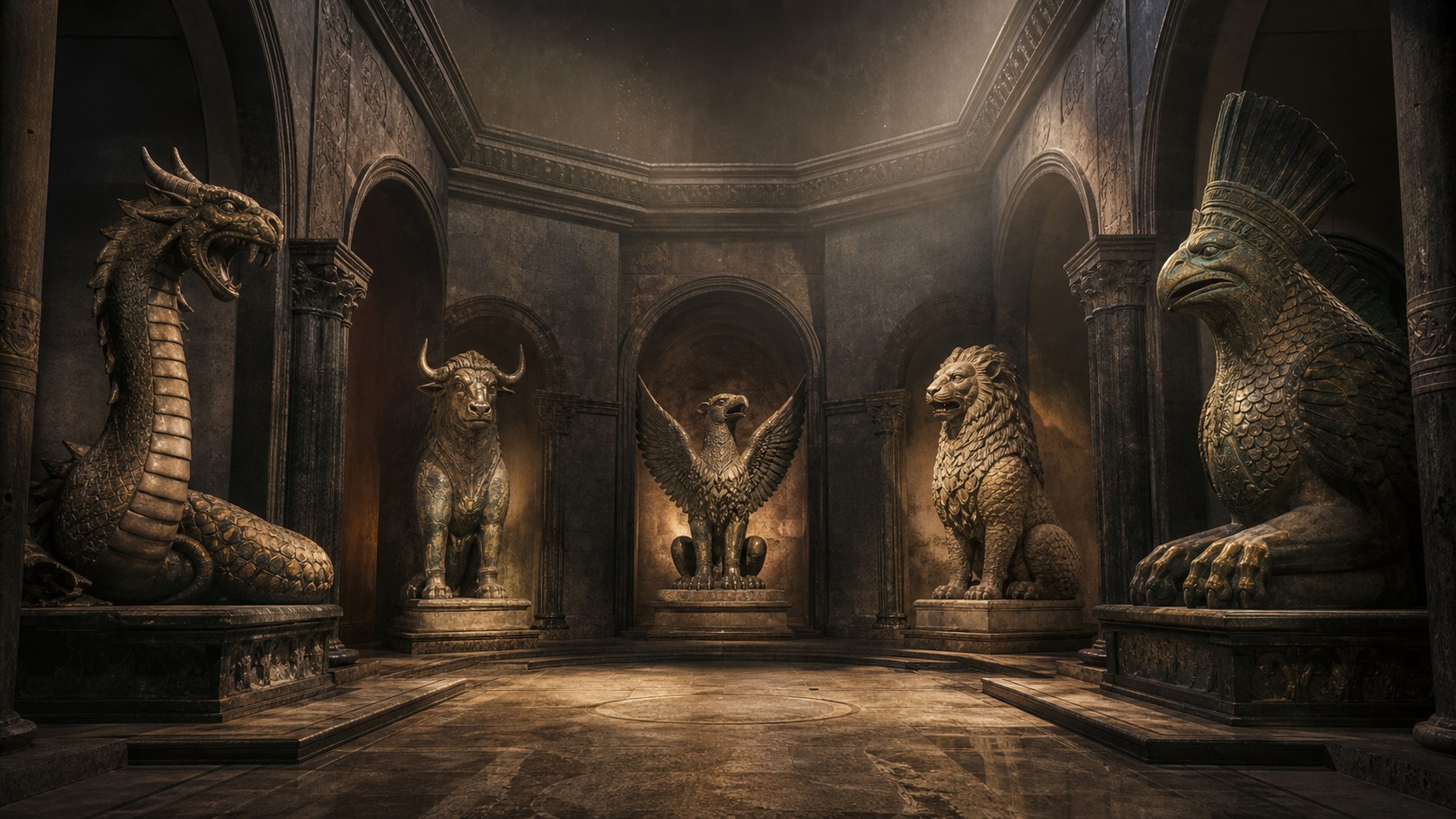
The sphinx remains famous because it combines beauty, intelligence, danger, and judgment in one figure. Its hybrid form suggests strength and mystery, while its association with riddles makes the encounter mental as well as physical. A person facing the sphinx is not only threatened with death; they are asked whether they understand the world well enough to pass.
That idea has kept the sphinx alive in art and storytelling. It does not need constant motion to feel dangerous. Its stillness is part of the fear, because it waits like a question carved into stone.
Fame also depended on repeatability. A monster that could be described in a few strong features had a better chance of traveling from poem to sculpture, from temple to classroom, and from local cult to global imagination. The creature needed enough detail to be distinct and enough simplicity to be remembered. The most famous ancient monsters achieved that balance with unusual precision.
Recognition was strengthened whenever the monster could appear in more than one kind of source. A creature mentioned in a story, carved on a wall, painted on pottery, and placed near a ritual practice had several paths into memory. If one path weakened, another preserved it. The most famous ancient monsters survived because they were not confined to a single telling.
Fame also depended on emotional clarity. Ancient audiences could recognize the stakes quickly when a creature guarded a gate, swallowed ships, challenged travelers, or towered over a battlefield. The monster's role was legible before the details were explained, which made retelling easier and more powerful.
Famous monsters also benefited from contrast. They were terrifying enough to challenge heroes, but ordered enough to appear in recognizable scenes. That balance made them useful to poets, artists, priests, and later entertainers who needed danger with a memorable shape.
That usefulness kept them visible long after their first ritual settings changed.
Their fame kept renewing itself in each retelling.
Dragons, Serpents, and Chaos Beasts
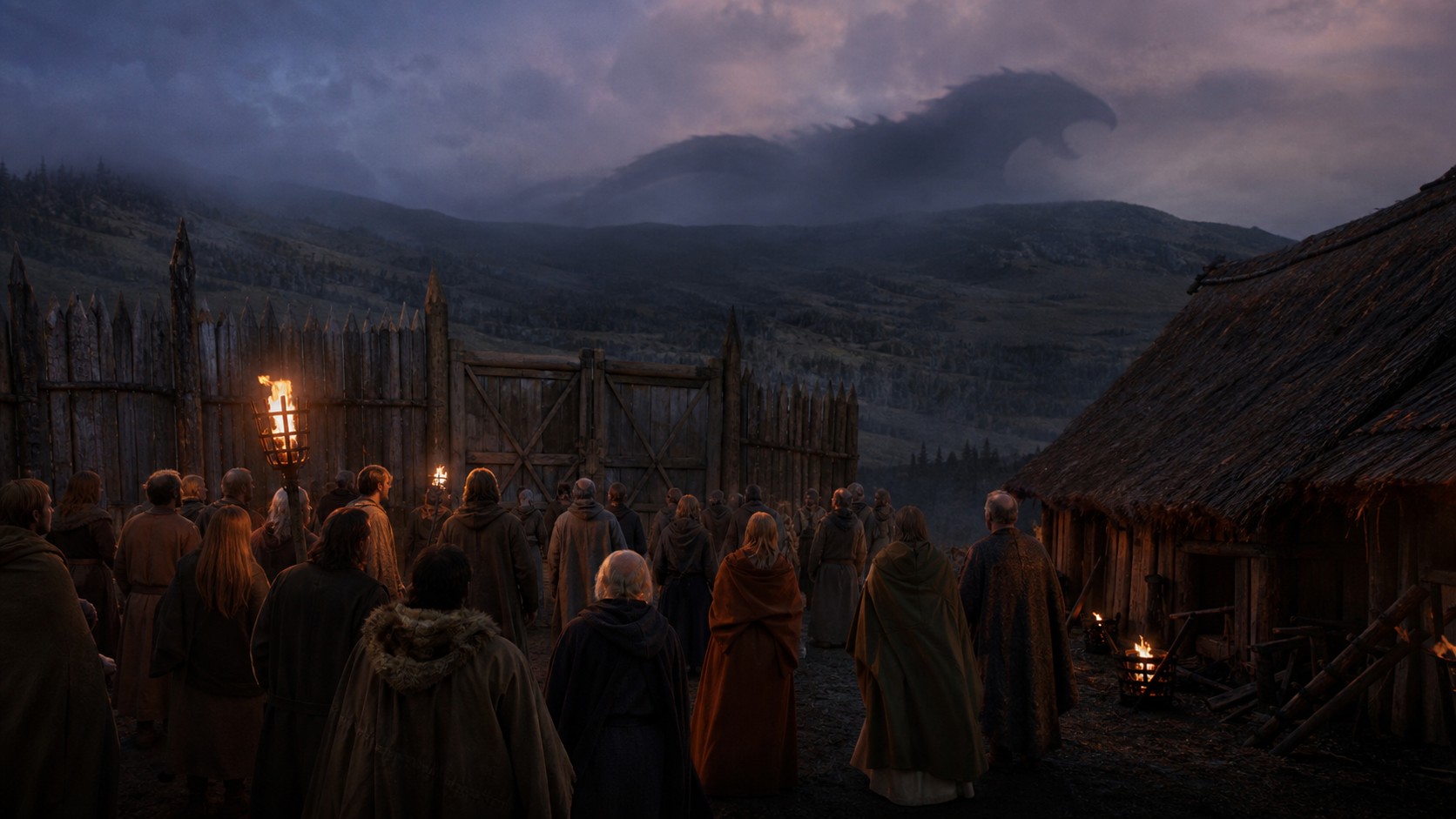
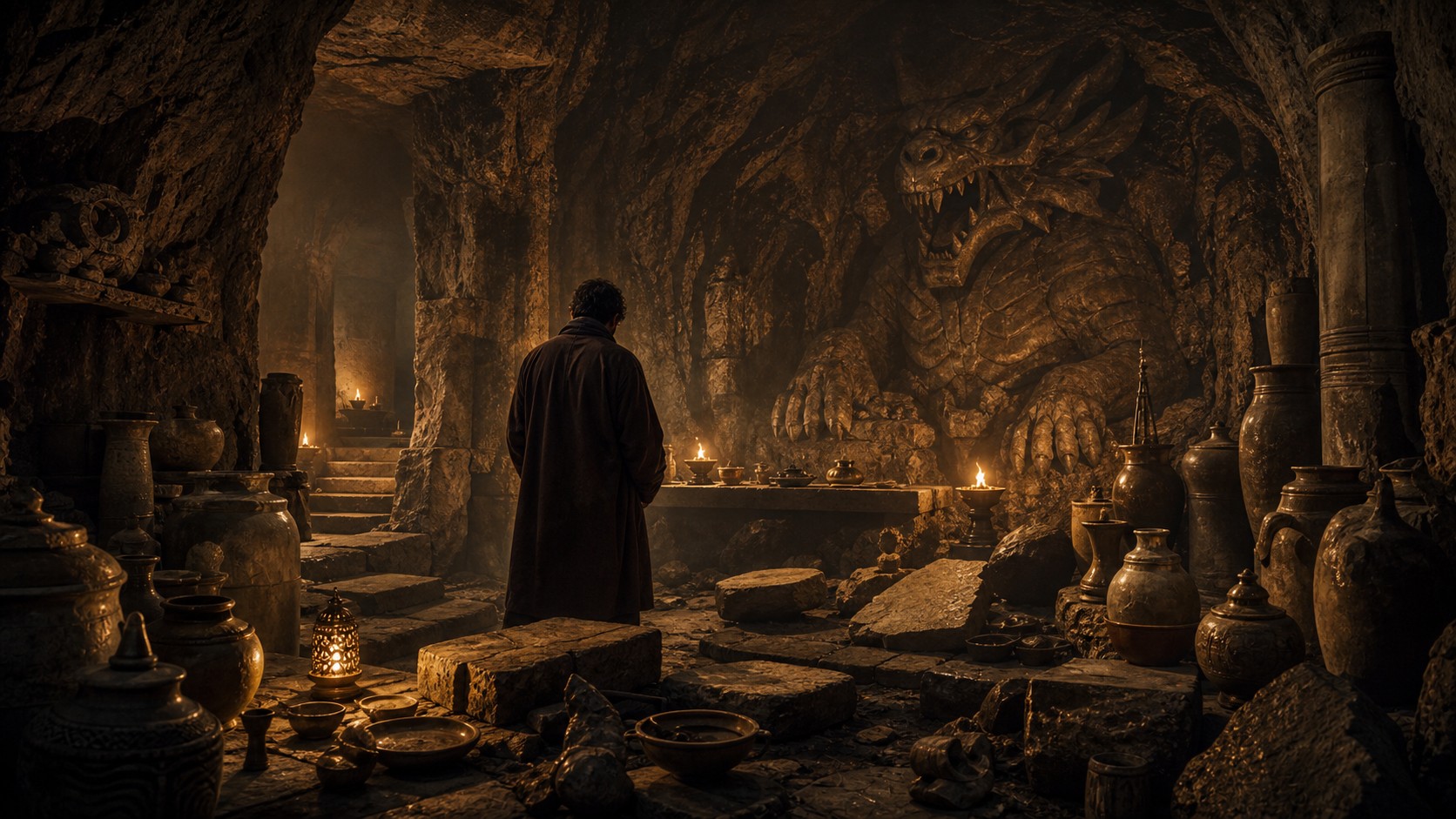
Serpentine monsters appear across many ancient traditions because snakes and great reptiles already carried strong associations with stealth, venom, water, earth, rebirth, and hidden movement. When enlarged into dragons or chaos serpents, those qualities became cosmic. The creature could coil around treasure, threaten a city, guard a spring, or represent disorder itself.
Famous serpent monsters endure because they adapt easily. One version is a sacred guardian, another is a destroyer, and another is a test for a hero. The shape is simple enough to travel and powerful enough to change meaning without losing its force.
The sphinx also shows how fame grows from restraint. It does not need to chase everyone across the landscape. Its power is concentrated in the encounter, the question, and the refusal to let the unworthy pass. That makes the creature easy to place in art and memory. A seated figure with a guarded gaze can imply the whole story before any action begins.
Sea Monsters and the Fear of Depth
Ancient sea monsters became famous because the ocean was both a road and a grave. Merchants, warriors, migrants, and fishermen all depended on water while knowing it could erase them. A creature beneath the waves gave that danger a dramatic center.
The fame of sea monsters also comes from scale. A land beast can be measured against a wall or tree, but the sea hides proportion. Ancient storytellers used that uncertainty brilliantly. A ripple, a storm, or a half-seen back could become a monster larger than the ship itself.
Sea monsters also carried economic anxiety. Ancient trade depended on ships, and ships depended on weather, navigation, labor, and luck. A lost cargo could ruin families, not just frighten sailors. When stories imagined the sea as inhabited by vast creatures, they gave commercial risk a mythic image that everyone on shore could understand.
That is why sea monsters often feel communal rather than private. The person on the deck faces the wave, but the consequences reach the harbor, the market, and the household waiting for news. The monster beneath the water becomes a symbol for everything that can vanish between departure and return.
Serpent and dragon-like monsters also gained fame from their connection to treasure and guarded knowledge. Treasure made the encounter morally complicated because the hero or thief had a reason to approach. Knowledge did the same thing in a different register. A creature that guards a spring, book, oracle, or sacred place turns curiosity into risk, which is one of the oldest engines of story.
Giants and the Memory of Overwhelming Force
Giants are among the most famous ancient monsters because they exaggerate a fear every society understands: the fear of power without restraint. A giant does not need poison, magic, or cunning to terrify. Its body alone changes the rules of conflict. Walls become breakable, weapons look small, and human courage must confront physical impossibility.
Yet giants are rarely only big. They often represent older races, defeated ages, wild regions, or arrogant forces that must be overcome for order to continue. Their fame comes from the way they make history feel like a struggle between scales of existence.
Giants also helped cultures imagine the past as physically larger than the present. Old stones, massive walls, and ruins of forgotten builders could inspire the thought that earlier beings had been greater in body as well as age. The giant becomes a bridge between archaeology and myth, turning impressive remains into evidence of a world that exceeded ordinary human scale.
Giant stories also work because they reduce civilization to a physical test. Can walls hold? Can a hero's courage matter? Can intelligence overcome mass? These questions are simple, but they are not shallow. They turn civic confidence into a scene where human scale must prove itself against something that should be unbeatable.
Underworld Guardians
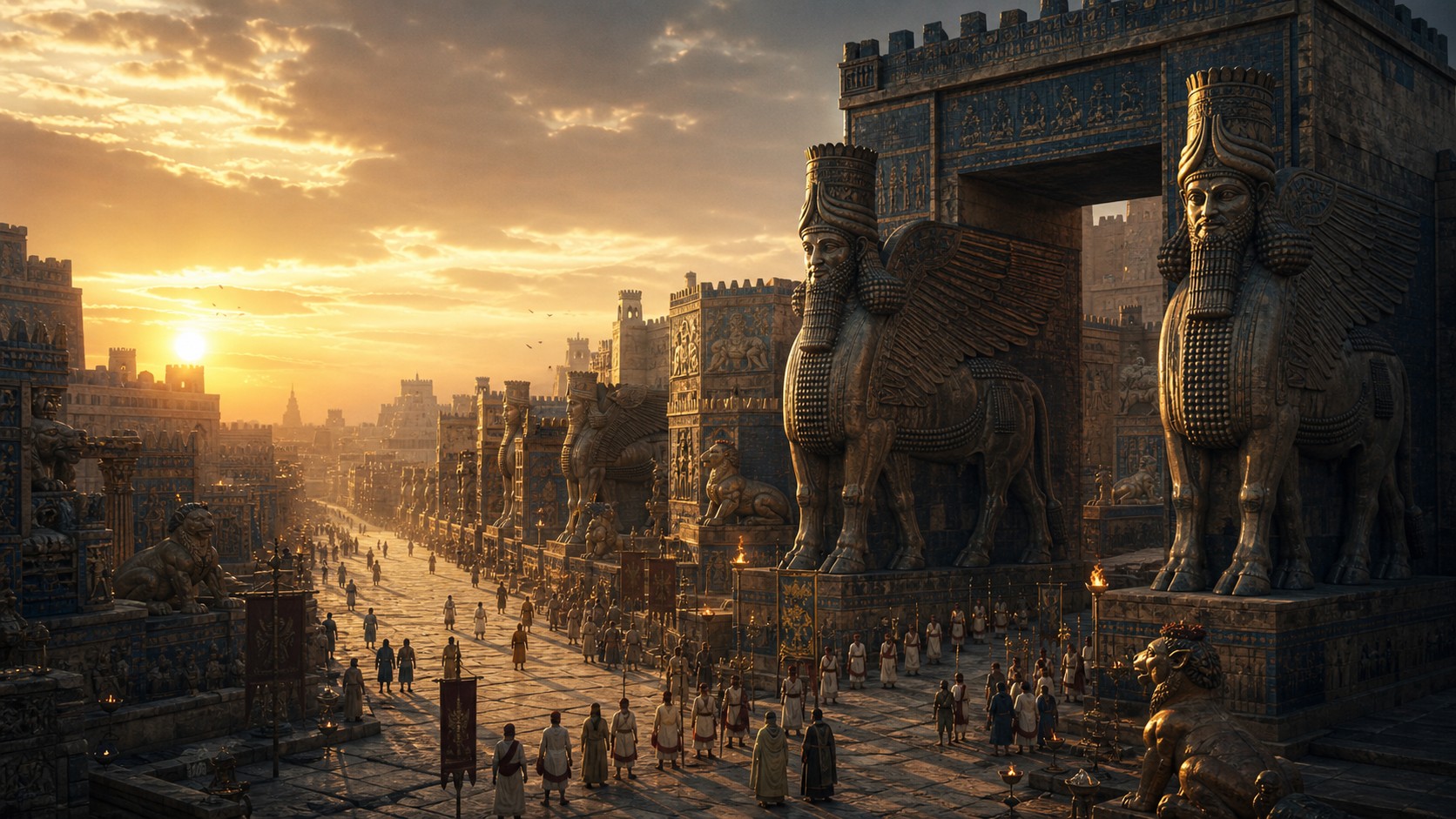
Creatures associated with the underworld became famous because they guarded the most serious boundary imaginable. Whether imagined as hounds, serpents, composite beasts, or nameless watchers, they made death feel organized. The afterlife had gates, roads, tests, and sentries.
These guardians remain compelling because they are not merely villains. They often do a job. Their terror comes from loyalty to a rule no living person can negotiate easily. In stories, meeting such a creature means entering a realm where ordinary status no longer matters.
Underworld guardians became especially durable because death is the one boundary every audience understands. A culture may change its map of the afterlife, but the feeling of a final passage remains. The guardian gives that passage a shape. It suggests that death is not emptiness but entry into a realm with laws, watchers, and consequences.
That role is why underworld creatures can be frightening without being chaotic. They may be monstrous, but they are disciplined. Their loyalty to the boundary makes them feel older and more serious than a beast that merely hungers.
Underworld guardians gained further fame because they are encountered at a point where bargaining feels almost useless. Wealth, beauty, youth, and rank do not matter much at the border of death. The guardian's presence strips people down to the fact of passage. That severity makes the creature memorable even when its specific name changes between traditions.
Monsters Defeated by Heroes
Many famous ancient monsters are remembered through the heroes who faced them. The monster gives the hero scale, and the hero gives the monster narrative permanence. A beast slain in a single story can live for thousands of years if the encounter defines courage, cleverness, sacrifice, or divine favor.
This relationship can make the monster seem secondary, but that is misleading. Without the creature, the hero has no test worth retelling. The monster is the pressure that reveals what a culture values in its champions.
The defeat itself often became ceremonial in memory. A hero's victory over a monster could be retold at festivals, carved into public spaces, or used as a comparison for later conflicts. The original beast might belong to myth, but the pattern became available whenever a community wanted to describe courage against overwhelming danger.
Hero stories also made monsters famous by giving audiences a safe way to approach terror. The listener could imagine the danger through the hero's trial without standing alone before the beast. That distance mattered. It allowed fear to become admiration, and admiration helped preserve the creature in public memory.
Why Fame Outlasted Belief
Most modern audiences do not approach ancient monsters as literal threats, but fame does not require belief. These creatures survive because they are visually strong and symbolically efficient. A sphinx means mystery. A dragon means guarded danger. A sea monster means hidden scale. A giant means overwhelming force.
Their fame also comes from repetition across media. Museums, books, films, games, and attractions continue to reuse them because audiences understand their emotional language quickly. Ancient monsters became famous by solving an old storytelling problem: how to make danger instantly memorable.
Famous ancient monsters also outlast belief because they occupy clear emotional positions. They can be feared, admired, resisted, studied, or redesigned without losing their basic charge. A creature with only one meaning becomes brittle over time. A famous monster can carry several meanings and still remain recognizable.
That is why these beings continue to move between scholarship and popular culture. A museum visitor may study their historical context, while a filmmaker borrows their silhouette for a new nightmare. Both encounters draw on the same ancient success: a monster made vivid enough to survive translation, disbelief, and time.
The fame of ancient monsters finally rests on their ability to condense a whole situation into one figure. The sphinx is not only a body; it is the ordeal of answering correctly. The sea beast is not only a shape; it is the risk of leaving shore. The giant is not only height; it is a world where human proportion fails. That compression makes them portable across centuries.
This portability explains why famous ancient monsters rarely remain locked inside ancient history. They become design languages. A modern gate can use a guardian form to feel imposing, a game can borrow a serpent to signal danger, and a film can evoke a giant to make human plans look fragile. Fame becomes a toolkit for later imaginations.
The same pattern continues whenever ancient monsters are reintroduced for new audiences. A retelling may change the setting, soften the theology, or alter the creature's appearance, but it usually preserves the central encounter. Someone approaches danger, and the famous monster makes that approach meaningful.