Few monsters in horror are as hauntingly personal as the Wolf Man. Unlike vampires who stalk from the shadows or creatures brought to life through science, the werewolf’s terror comes from within. It is a transformation that strips away control, unleashing something primal and uncontrollable beneath the surface of humanity. The legend of the Wolf Man is not just a tale of fear—it is a story of identity, duality, and the fragile boundary between civilization and instinct. From ancient myths to its definitive portrayal in classic cinema, the werewolf has become one of horror’s most tragic and enduring figures.
A: A human who transforms into a wolf or wolf-like creature, usually due to a curse.
A: Typically because of a curse triggered by the full moon.
A: Yes, it is often transmitted through a bite from another werewolf.
A: Silver weapons are traditionally used to stop or kill a werewolf.
A: In many stories, he does not, adding to the tragedy.
A: Not necessarily—he is often portrayed as a victim of a curse.
A: It symbolizes uncontrollable transformation and heightened instinct.
A: They come from folklore, superstition, and historical fear rather than real creatures.
A: It reflects fears of losing control and confronting the darker side of human nature.
A: His constant struggle between humanity and instinct defines his character.
Ancient Myths and the Fear of Transformation
The origins of the werewolf stretch back thousands of years, long before the rise of modern horror. Stories of humans transforming into wolves appear in cultures across Europe, often tied to superstition, punishment, or dark magic. In ancient Greece, the myth of Lycaon tells of a king who was turned into a wolf as punishment from the gods. This tale established one of the earliest connections between moral transgression and animal transformation.
In medieval Europe, werewolf legends became more widespread and deeply feared. People believed that individuals could transform into wolves through curses, rituals, or even as a result of divine punishment. These stories were often linked to real-world fears—unexplained attacks on livestock, mysterious disappearances, and the ever-present danger of wild animals. Without scientific explanations, the idea of a human becoming a beast provided a terrifying answer.
The werewolf became a symbol of the unknown lurking within. It was not just about physical transformation, but about losing control and surrendering to darker instincts. This fear would later become central to the character of the Wolf Man.
Folklore, Fear, and the Supernatural Curse
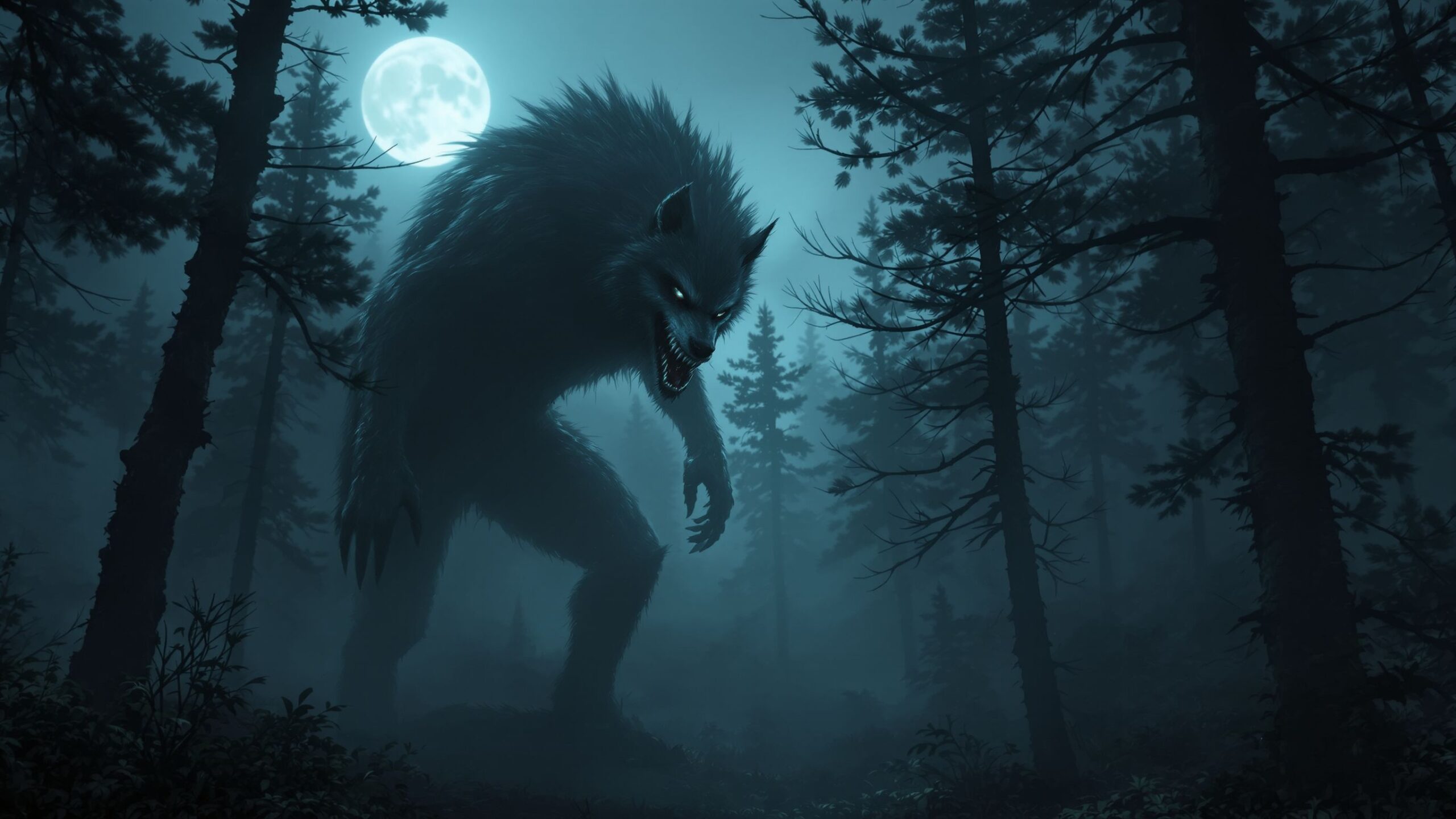
As werewolf myths evolved, certain elements became consistent across stories. The transformation was often tied to the full moon, a celestial force believed to influence behavior and madness. The curse could be passed through a bite, turning the victim into another werewolf and spreading the condition like a disease. Silver emerged as a weapon capable of killing the beast, adding a ritualistic element to the fight against it.
These details were not just random—they reflected cultural anxieties. The idea of a curse that could spread uncontrollably mirrored fears of illness and contagion. The connection to the moon suggested a loss of rationality, tying the werewolf to madness and unpredictability. Together, these elements created a monster that was both supernatural and deeply psychological.
The Birth of the Wolf Man in Cinema
The werewolf legend reached its most iconic form in The Wolf Man, starring Lon Chaney Jr.. This film defined the modern image of the Wolf Man and established many of the rules that audiences still associate with werewolves today.
Larry Talbot, the film’s protagonist, is bitten by a werewolf and becomes cursed to transform under the full moon. Unlike earlier depictions of monstrous beasts, Talbot is a deeply sympathetic character. He is aware of his condition and struggles to control it, knowing that he becomes a danger to others when he transforms.
The film introduced a tragic dimension to the werewolf myth. Talbot is not evil—he is doomed. His story is one of inevitability and despair, as he is unable to escape the curse that defines his existence. This emotional depth set the Wolf Man apart from other monsters of the time.
The Psychology of the Beast Within
What makes the Wolf Man so compelling is the psychological conflict at its core. The werewolf represents the battle between human reason and animal instinct. It is a metaphor for the parts of ourselves that we try to suppress—anger, aggression, and desire.
During the early 20th century, these themes resonated strongly with audiences. The aftermath of global conflict and rapid societal change brought attention to the complexities of the human mind. The idea that anyone could harbor a hidden, uncontrollable side was both fascinating and terrifying.
The Wolf Man embodies this fear. His transformation is not just physical—it is emotional and psychological. He becomes a symbol of inner turmoil, reflecting the struggle to maintain control in a world that often feels chaotic.
The Role of Fate and Tragedy
Unlike many horror monsters, the Wolf Man’s story is driven by fate. Once the curse takes hold, there is no escape. This sense of inevitability adds to the character’s tragedy. Larry Talbot does not choose his destiny—he is trapped by it.
This theme of fate aligns with older mythological traditions, where characters are often bound by forces beyond their control. The werewolf curse becomes a modern extension of these ideas, blending ancient storytelling with contemporary fears.
The tragedy of the Wolf Man lies in his awareness. He knows what he becomes, and he suffers because of it. This self-awareness creates a sense of empathy, making the audience feel for him even as they fear him.
Visual Identity and Transformation
One of the most memorable aspects of the Wolf Man is the transformation itself. In the 1941 film, groundbreaking makeup and practical effects were used to depict the gradual change from human to beast. Hair grows, facial features shift, and the body takes on a more animalistic form.
These transformations were revolutionary for their time, adding a sense of realism and immediacy to the horror. They also emphasized the physical toll of the curse, showing that the change is not just emotional but deeply painful.
The visual design of the Wolf Man—fur-covered face, elongated features, and glowing eyes—became iconic. It established a template that continues to influence werewolf portrayals in modern media.
The Werewolf’s Influence on Horror
The legacy of the Wolf Man extends far beyond its original film. The werewolf has become a staple of horror, appearing in countless adaptations and reinterpretations. Each version explores different aspects of the myth, from pure terror to dark humor and even romance.
Despite these variations, the core elements remain the same: transformation, loss of control, and the struggle between human and beast. These themes ensure that the werewolf continues to resonate with audiences.
The Wolf Man also helped expand the emotional range of horror. By presenting a monster that is both feared and pitied, it paved the way for more complex storytelling within the genre.
Why the Wolf Man Still Endures
The enduring appeal of the Wolf Man lies in its relatability. While few people fear becoming vampires or reanimated corpses, the idea of losing control is universal. Everyone experiences moments of anger, fear, or impulse that feel overwhelming.
The werewolf gives form to these experiences, turning internal struggles into something tangible and visible. It allows audiences to confront their fears in a safe and symbolic way.
In a world that continues to grapple with questions of identity and self-control, the Wolf Man remains as relevant as ever. His story speaks to the tension between who we are and who we might become.
The Monster Within Us All
The legend of the Wolf Man is more than a tale of transformation—it is a reflection of the human condition. From ancient myths to classic horror cinema, the werewolf has evolved into a symbol of inner conflict and tragic inevitability. By exploring the origins of this iconic monster, we gain insight into the fears and stories that shape our understanding of ourselves. The Wolf Man reminds us that the most terrifying monsters are not always those that lurk in the shadows, but those that reside within. As long as humanity continues to wrestle with its own nature, the howl of the werewolf will echo through the world of horror, calling us to face the beast inside.