A Lair Is Part of a Life, Not Just a Place to Wait
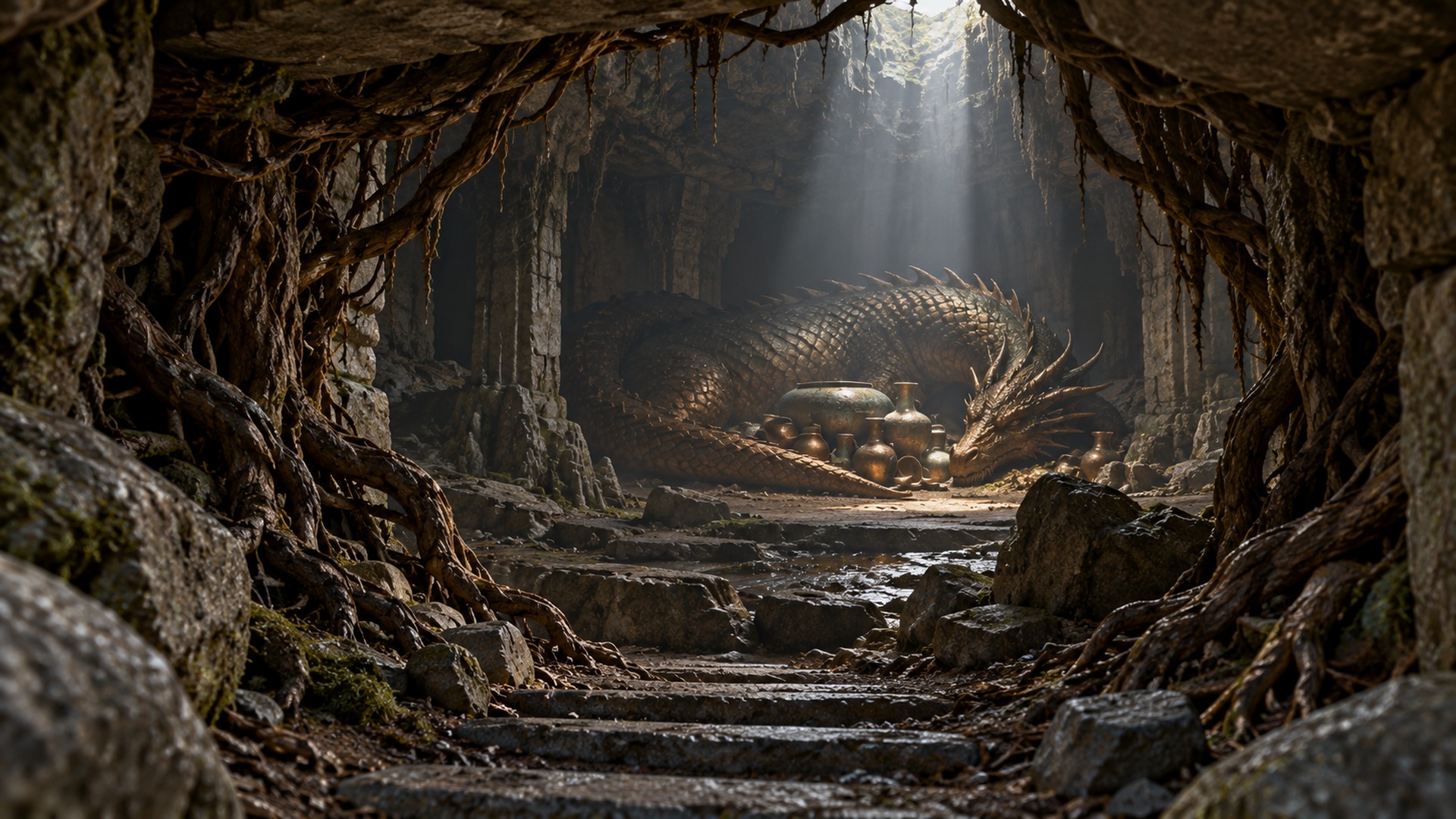
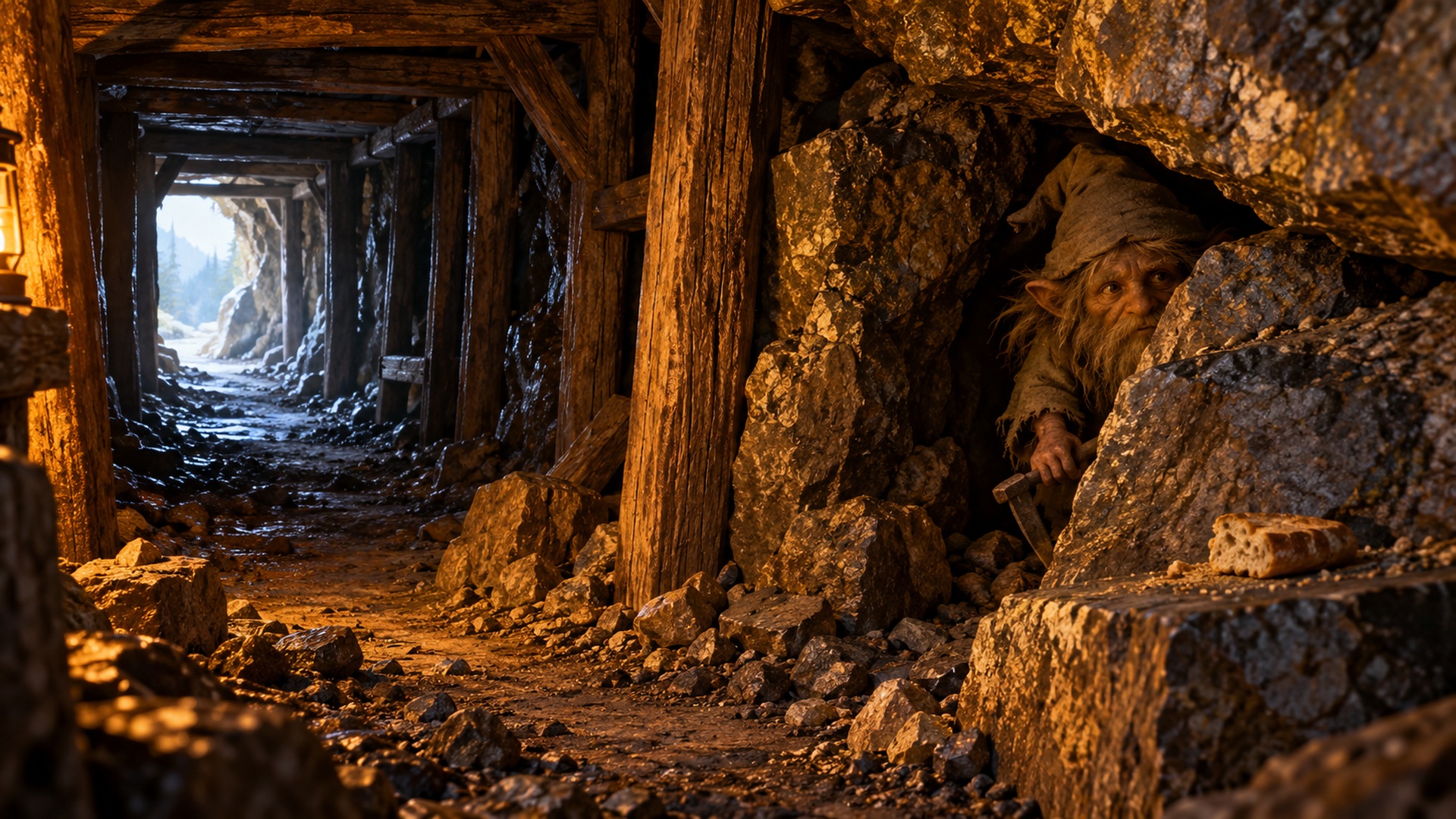
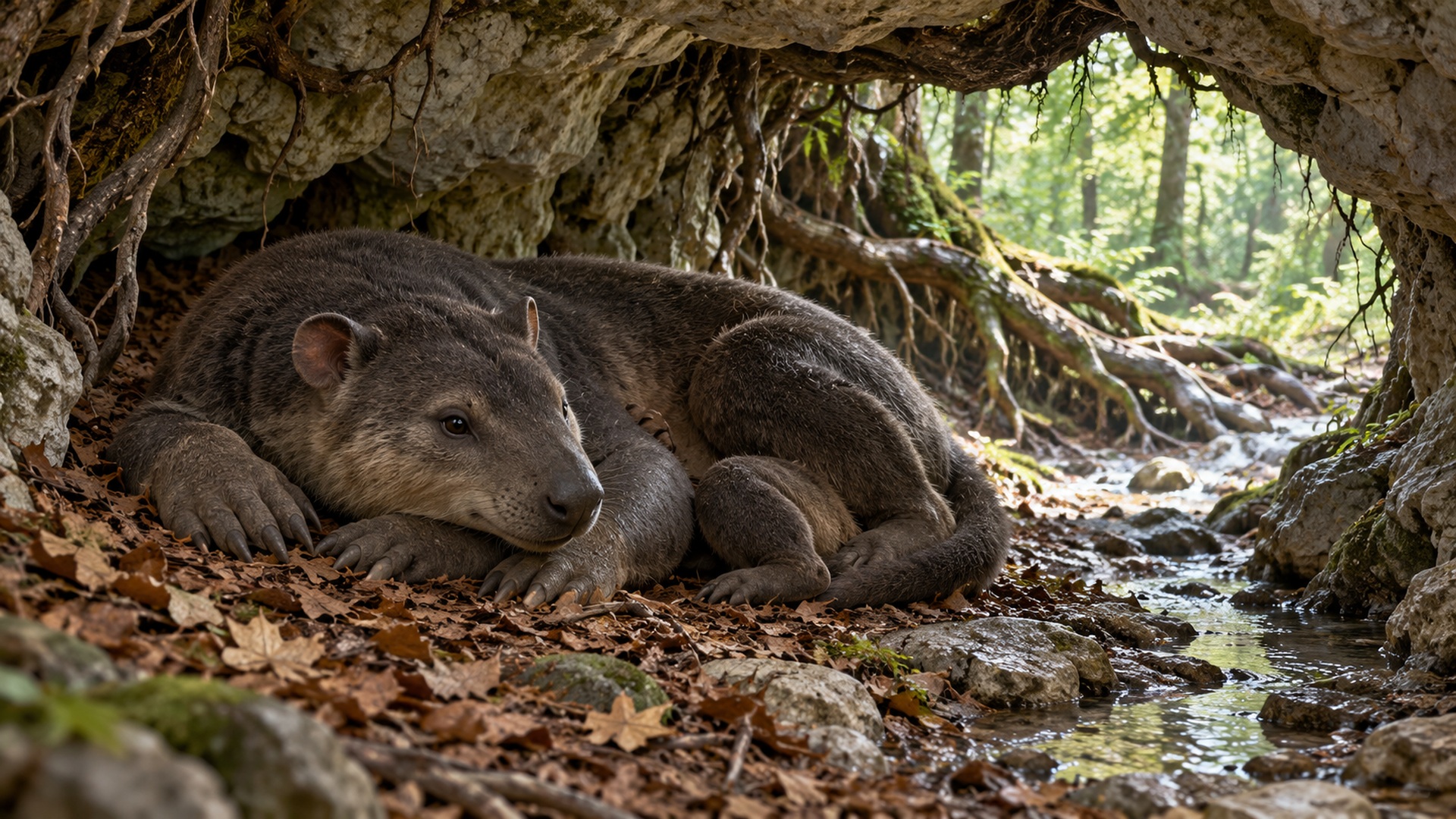
The creature returns before daylight, passes through a root-framed opening, and settles on a dry ledge above a narrow stream. From outside it seems to have vanished beneath the earth. From the animal’s point of view, it may simply have reached the place where resting is practical. Underground lairs become more convincing when they serve that kind of ordinary purpose as well as a dramatic one. Shelter, privacy, a manageable entrance, and a connection with resources can all help explain why a fictional monster uses a particular interior. Darkness alone does not supply a complete habitat. Real bats and cave crickets show one useful distinction: an animal can shelter below ground while obtaining food outside. A living resident still needs a way to maintain its body and move through its surroundings, while a supernatural occupant may follow a different premise. Understanding those choices gives the lair an identity that lasts beyond the first frightening glimpse.
A: Decide whether it visits, shelters there regularly, or lives underground throughout its life.
A: A resource connection or explicit fictional mechanism is still required.
A: Its support, dryness, and access may better fit the creature's needs.
A: The anatomy must be considered with the substrate and construction scale.
A: The resident can know familiar routes that a visitor has not learned.
A: Their different relationships with interior and surface environments imply different demands.
A: It connects refuge with feeding, movement, and other conditions that make occupancy possible.
A: The established conditions of the binding replace some ordinary biological questions.
A: Follow entry, turning, resting, and departure with the same established body.
A: Its features support the resident's continuing life or its clearly defined supernatural role.
Choose Between a Refuge and an Entire Underground Habitat
A creature that rests in a cave but feeds outside has a different life from one that remains below ground. The first needs a dependable connection between refuge and foraging area. The second needs resources available within its subterranean environment. Calling both cave monsters can hide that important distinction.
Mammoth Cave National Park’s Caves account identifies bats, cave crickets, and woodrats that leave underground shelter to obtain resources outside. The National Park Service calls such regular guests trogloxenes, distinguishing them from animals adapted to permanent cave residence. A bat’s roost therefore does not imply that its food supply lies entirely in the same chamber. For the fictional ledge-dweller, an outside feeding route supplies the comparable connection; a permanently subterranean species would need a different food-web account.
Shelter Can Reduce Exposure Without Solving Every Problem
A covered space can separate an animal from some conditions outside. Its usefulness depends on the entrance, internal arrangement, water movement, and the creature’s needs. A dry ledge may matter more than the deepest available chamber. The best resting place is not automatically the farthest point from daylight.
A fictional animal can reveal those preferences through repeated use. It passes several recesses but settles in one that supports its body and remains accessible. That choice gives the interior an ecological organization. Rooms are no longer interchangeable dark spaces; they offer different conditions for the resident.
Shelter also has costs. Entering and leaving takes time, a constrained passage may limit movement, and changes outside can affect access. The creature may manage those costs well in its ordinary habitat. The lair remains believable because it solves particular problems, not because it removes every challenge from the animal’s life.
A Familiar Refuge Can Explain a Repeated Sighting Pattern
Observers may see the creature near one opening because that route connects a resting place with the resources it regularly uses. The concentration of sightings need not mean the entire population lives permanently below that point. It may reflect one part of a broader daily cycle. Following the pattern through time can reveal the difference.
In fiction, show the route at more than one hour. An arrival after feeding and a later departure make the opening part of a continuing sequence. The animal’s posture and pace can change with its immediate activity while its body and the passage remain consistent. The lair gains identity through repetition that has a purpose.
Excavated Burrows Need a Body and Material That Fit
A monster that digs its own dwelling requires a different explanation from one using an existing cavern. Digging involves moving material, supporting the body during work, and leaving a usable space behind. Loose soil, roots, and solid rock pose different challenges. A creature with broad forelimbs may suggest excavation, but the shape alone does not establish an ability to tunnel through every substrate. Connect the proposed anatomy with a particular kind of ground and the scale of the structure it creates. An enormous finished chamber should not appear without any relationship to the work and material implied by its construction.
Resources Still Have to Reach the Resident
Permanent darkness changes the usual role of sunlight in a food web. The National Park Service’s discussion of cave life describes inputs such as material carried by water and organisms moving between environments. It also notes that some systems involve organisms using chemical sources. These are specific ecological arrangements, not evidence that any dark chamber can support any number of large predators.
A fictional lair can make its resource connection visible. A stream, a surface feeding route, or a periodic influx can support a defined premise. The monster’s size and activity should remain compatible with that premise. If a supernatural mechanism supplies the difference, identify it rather than letting darkness function as an unexplained source of food.
A Useful Entrance Can Shape Territory
An opening is a point of contact between interior and exterior. Its width, position, and approach affect how the creature moves and what it can observe. A narrow entrance may suit a flexible resident while limiting a larger visitor. That relationship can create a territorial advantage without making the entire underground world an extension of the animal’s senses.
Territory need not mean constant aggression. A resident may maintain distance, choose another chamber, or emerge only under certain conditions. Its responses can depend on state and context. A lair becomes more lifelike when occupancy includes ordinary decisions rather than an automatic attack whenever anything crosses the threshold.
The outside approach belongs to the same design. A concealed opening in dense roots suggests a different route from a broad cave mouth overlooking open ground. Tracks and habitual movement can connect those areas. The territory therefore extends beyond the chamber’s walls into the landscape that makes the refuge usable.
Darkness Does Not Dictate One Standard Anatomy
Fiction often gives every underground creature the same missing eyes, enlarged ears, and pale surface. Real relationships with caves vary, so appearance should follow the proposed life rather than a fixed costume. An animal that regularly emerges may retain capabilities useful outside. A specialized resident may have a different arrangement. Even then, claims about a particular sensory ability need a mechanism or an explicit fictional rule. Darkness identifies a condition the animal encounters; it does not generate a complete body plan by itself.
Water Can Connect the Lair With a Larger Landscape
A stream passing through an interior can bring material, alter usable ground, and link spaces beyond the visible chamber. Its presence gives the lair a relationship with events outside. The creature may choose elevated resting surfaces or a route that avoids a wet section. Those behaviors make the setting dynamic without requiring the cave to change shape arbitrarily.
Water is not automatically a convenient universal resource. The animal’s needs and the character of the flow still matter. A scene should distinguish the dry ledge used for rest from the channel passing below it. That simple spatial relationship can explain repeated behavior more effectively than a broad statement that monsters prefer damp places.
The Best Hidden Home Has a Visible Connection
Even a mostly concealed dwelling should connect with something the audience understands: a forest route, a stream, a stored object, or an established supernatural condition. That connection gives the interior a role beyond being unavailable to sight. The entrance becomes a point where the creature’s private world touches the larger setting. A carefully chosen visible detail can therefore make the unseen chamber more convincing than a long description of darkness alone.
Resting, Reproduction, and Recovery Need Not Use the Same Space
A lair can contain regions with different functions, or the animal can use different refuges at different times. A resting adult may not require the same conditions as a young individual. A creature recovering from demanding activity may choose a more protected location. These are possible design choices rather than universal facts about all cave users.
Function can be communicated through posture and repeated routes. A broad shelf may support ordinary sleep, while a smaller recess remains unused in the first encounter. Later information can explain the second space without contradicting the earlier view. The lair gains depth because the observer initially saw only part of its use.
This also prevents an interior from becoming a series of decorative rooms. Each region has a relationship with the resident’s body, state, or life stage. Not every function needs a separate chamber, and not every visible chamber needs an occupant. The design becomes convincing through appropriate use rather than through sheer size.
Concealment Works Differently for the Resident and the Visitor
A visitor may see only the entrance, while the resident knows familiar turns and resting places. That difference can create a practical advantage even without extraordinary perception. Familiarity reduces uncertainty about routes. The creature still has to receive information about anything new occurring inside.
The contrast is useful in a story because it produces unequal knowledge. The audience may share the visitor’s limited view while noticing signs that the interior is regularly used. A worn route or a consistent movement pattern can suggest organization before the full body appears. The lair’s familiarity to its resident becomes part of the encounter.
Underground Hiding Can Have a Narrative Purpose Beyond Ecology
A concealed interior can represent something kept outside ordinary attention: an older history, an excluded population, a guarded possession, or a boundary around forbidden knowledge. These are interpretive possibilities, not universal meanings of caves. The chosen story determines which relationship matters. A monster’s physical refuge can therefore serve a symbolic role as well, provided the two roles remain coherent. The setting is strongest when its narrative significance grows from what happens there rather than being attached as an unexplained abstract meaning.
A Supernatural Lair Needs Its Own Consistent Terms
A spirit bound to a buried chamber may not need an ordinary diet or sleep cycle. A curse may explain why a presence cannot leave a threshold. Those premises shift the questions from biological resources to the conditions of the binding. State which rule organizes the resident’s connection with the place.
Consistency still matters. If the occupant cannot cross the entrance, later scenes need an established reason for any exception. If the chamber’s contents sustain it, those contents should remain relevant. A supernatural explanation can be extraordinary while giving the audience a clear relationship to follow.
Mixing premises is possible when the story does the connecting work. A living animal affected by a curse can have both ordinary needs and an unusual restriction. The writer should decide how they interact. Otherwise biological detail can become decorative whenever the narrative suddenly substitutes a different rule.
Follow the Return Journey to Test the Design
Imagine the resident arriving from the forest after feeding. Its body clears the opening, follows a familiar route, and reaches a surface that supports its resting posture. That sequence tests the connection between outside activity and interior use. A passage too narrow for the established body would need another explanation.
Then follow its next departure. The same route should remain recognizable, even if light and activity change. A lair that works in both directions feels inhabited. The reader understands why this creature repeatedly uses this place rather than any dark opening in the landscape.
The Hidden Home Makes the Monster Part of Its World
An effective underground lair joins refuge, resources, movement, and story. It gives the creature somewhere to do more than wait for a visitor. The returning burrower, the territorial cave user, and the bound supernatural presence can each occupy the earth through a different arrangement. The useful question is not simply why monsters like darkness. It is what this particular interior provides, what it requires in return, and how those relationships shape the creature’s life above and below the threshold.