Could a Monster Sense Your Fear? The Science Behind the Myth
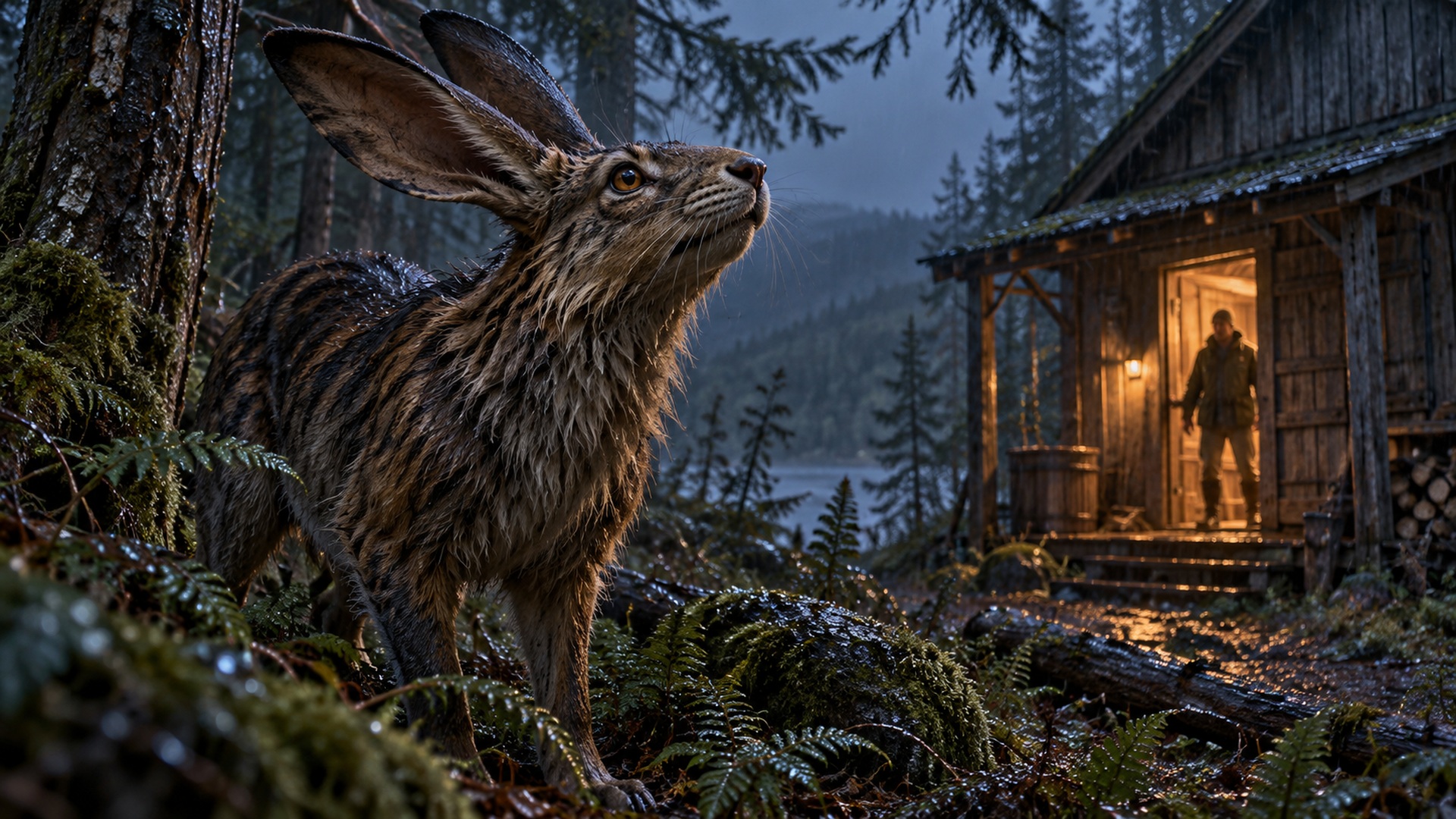
Animals can respond to physical cues associated with stress, but that is different from reading fear directly. Explore what biology supports and where horror invents its own rules.

Where Fear Comes to Life
Animals can respond to physical cues associated with stress, but that is different from reading fear directly. Explore what biology supports and where horror invents its own rules.
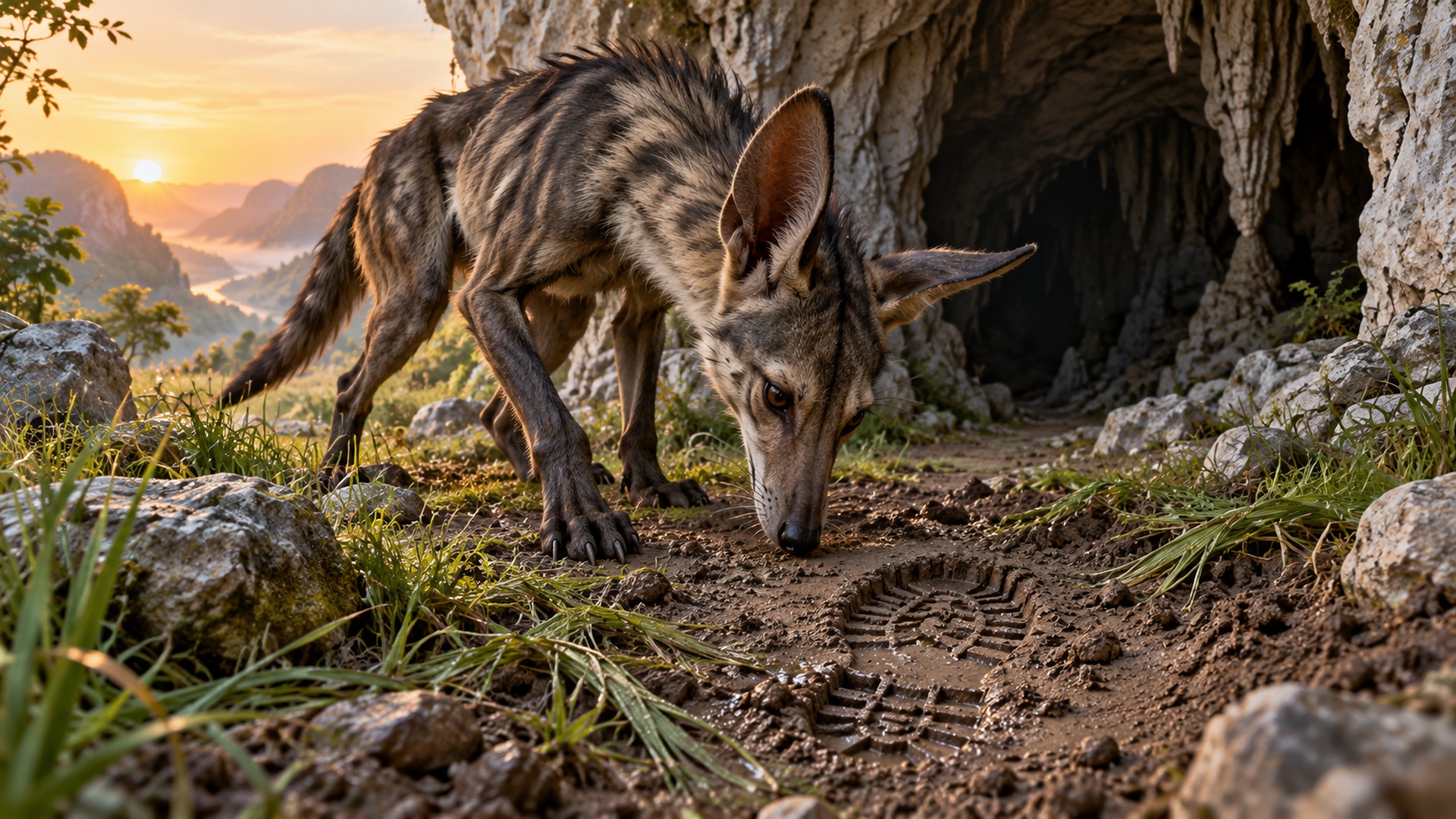
Humans leave light, sound, scent, heat, and disturbed surfaces behind them. Discover what those clues could tell a fictional creature—and what they cannot.
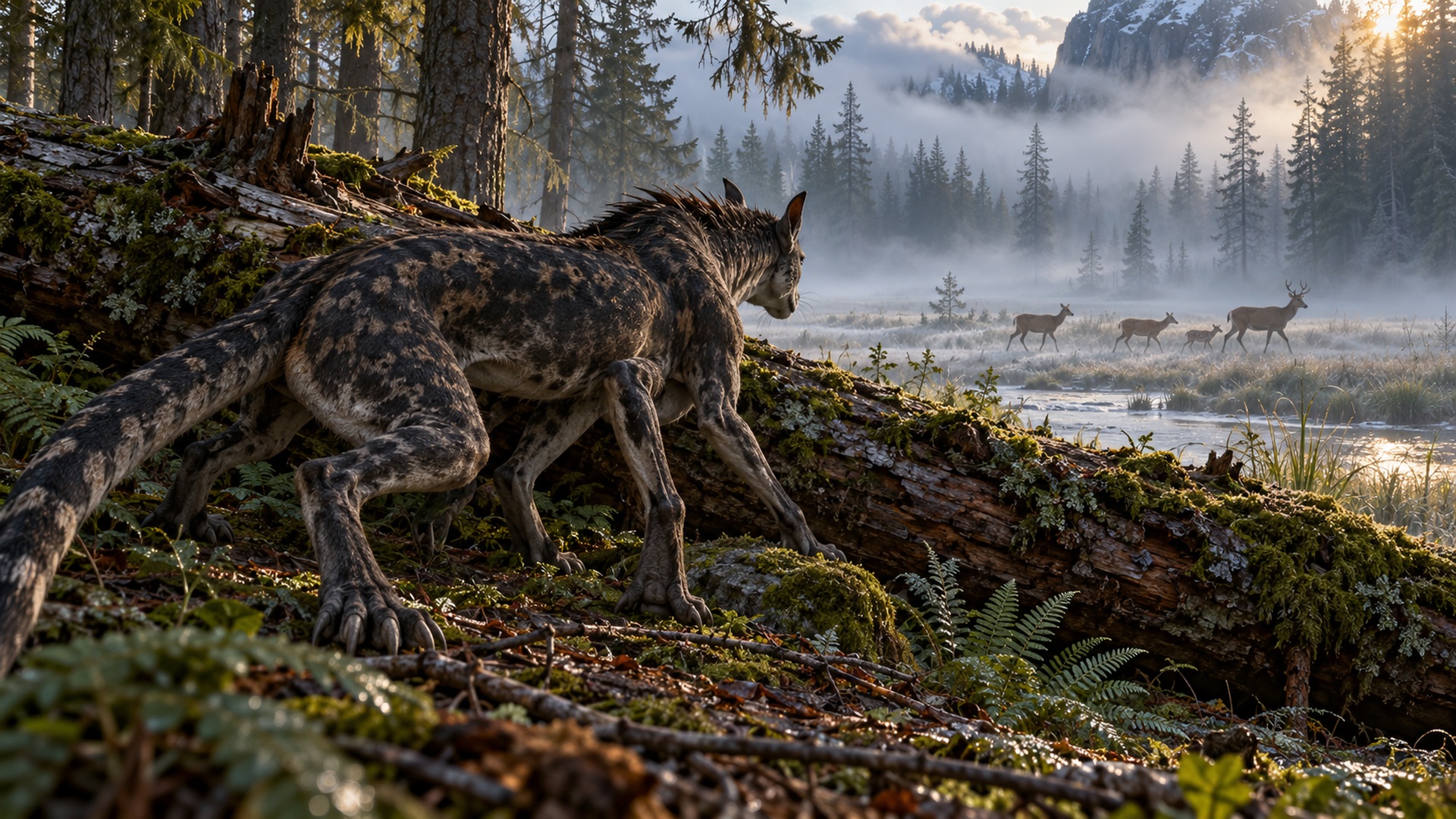
A monster’s sensory world could combine familiar vision and hearing with echoes, thermal cues, water movement, or electric fields. Every channel has limits.
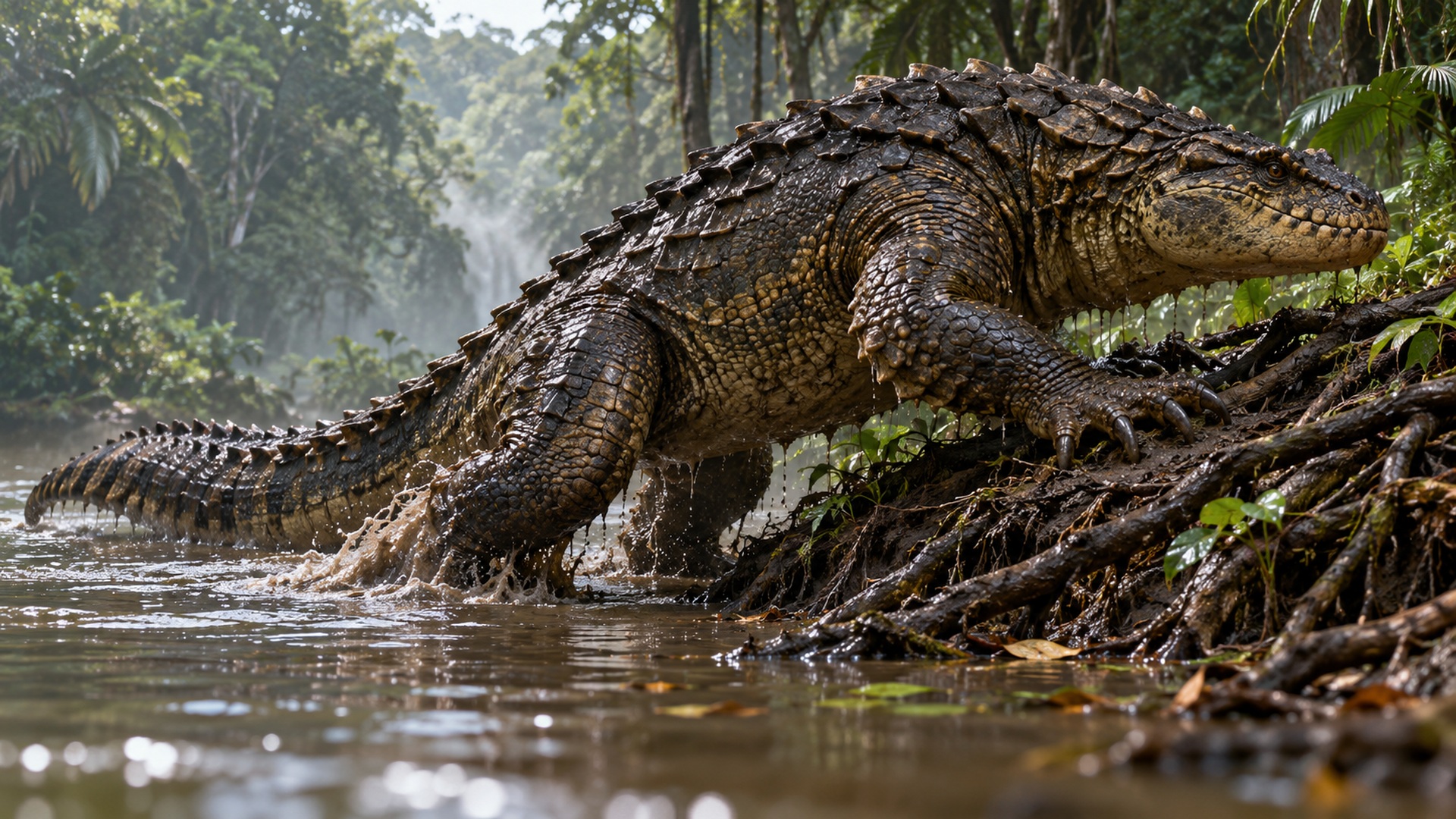
A monster’s gait follows from its body. Explore how bipeds, quadrupeds, crawlers, serpentine creatures, and climbers manage support, propulsion, and turns.
A stealthy monster must hide more than its outline. Explore how light, sound, scent, footing, and a target’s attention shape a convincing approach.
Monster hunting becomes convincing when every movement serves a purpose. Follow the sequence from searching and stalking to interception, handling, and recovery.
Use a clearly hypothetical doubled-human model to compare total pulling force, body-weight ratios, reach, and endurance without inventing a universal monster multiplier.
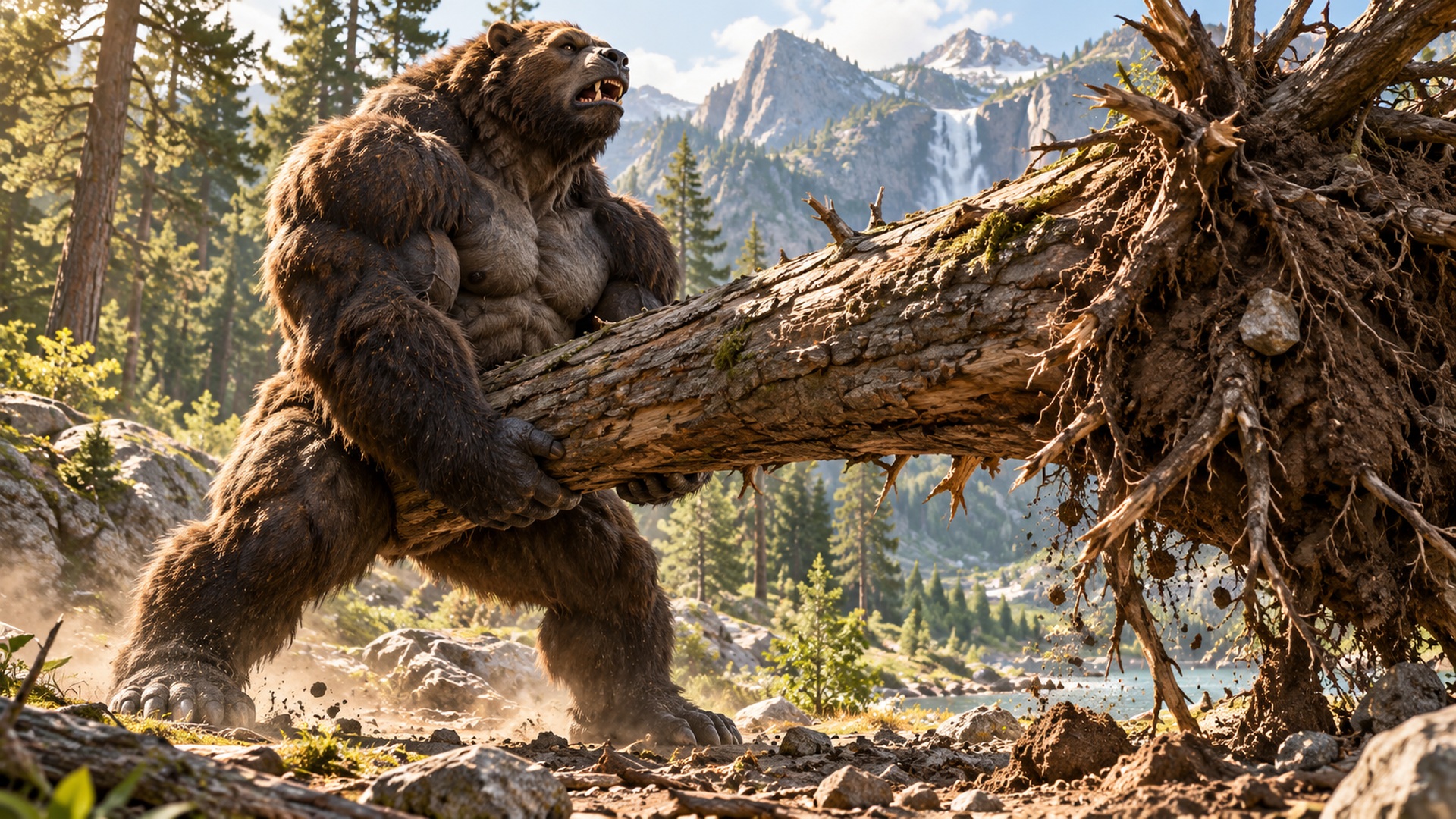
The strongest monster is more than a mass of muscle. Discover how grip, balance, body structure, timing, durability, and endurance combine into useful power.
Could a monster lift a truck, smash a wall, or leap over a building? Muscle size is only the beginning of a convincing explanation of superhuman strength.
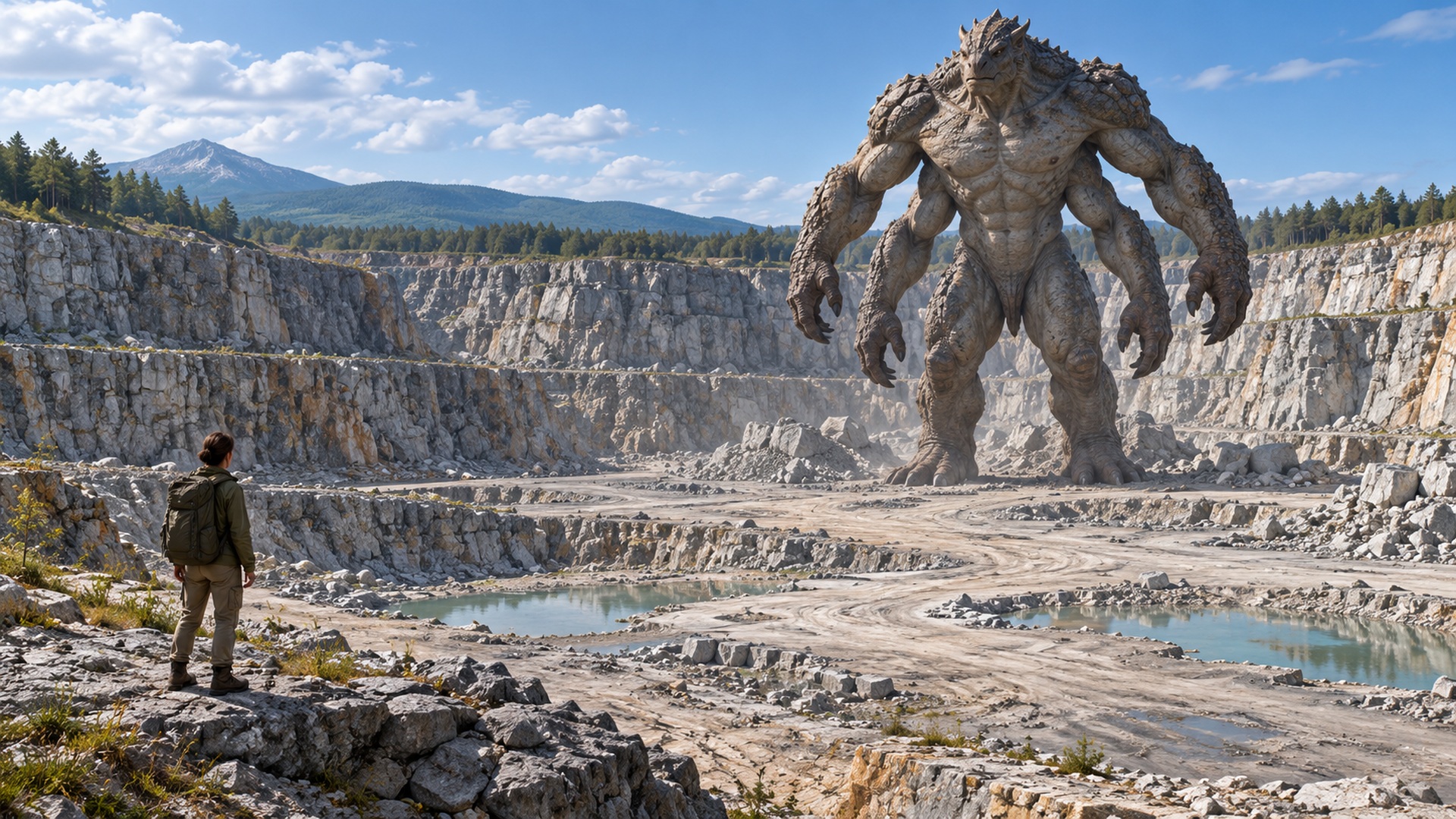
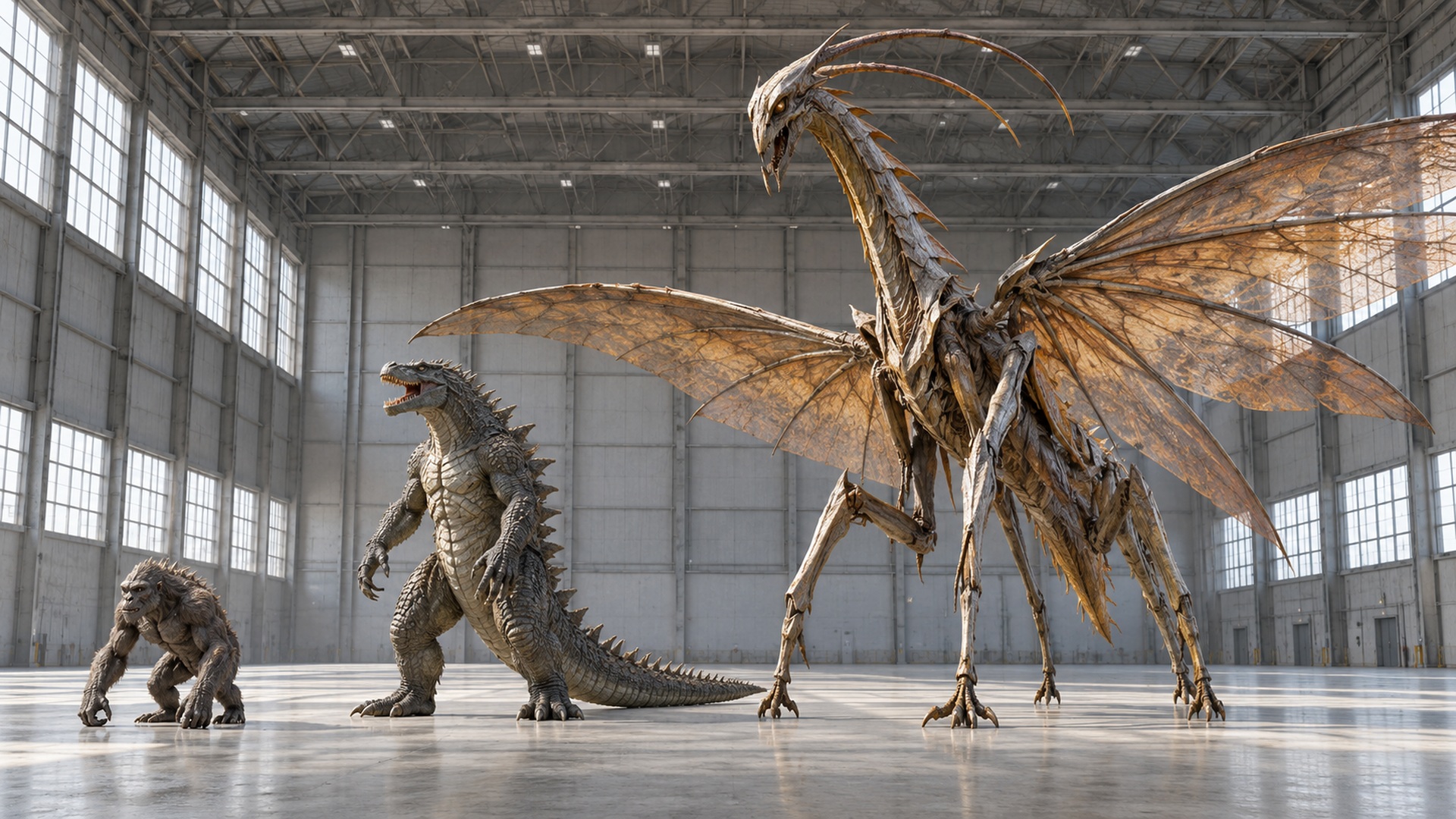
Compare specified Godzilla incarnations, two Kong productions, Mothra’s wingspan, and King Ghidorah’s height with clear units and practical scale examples.
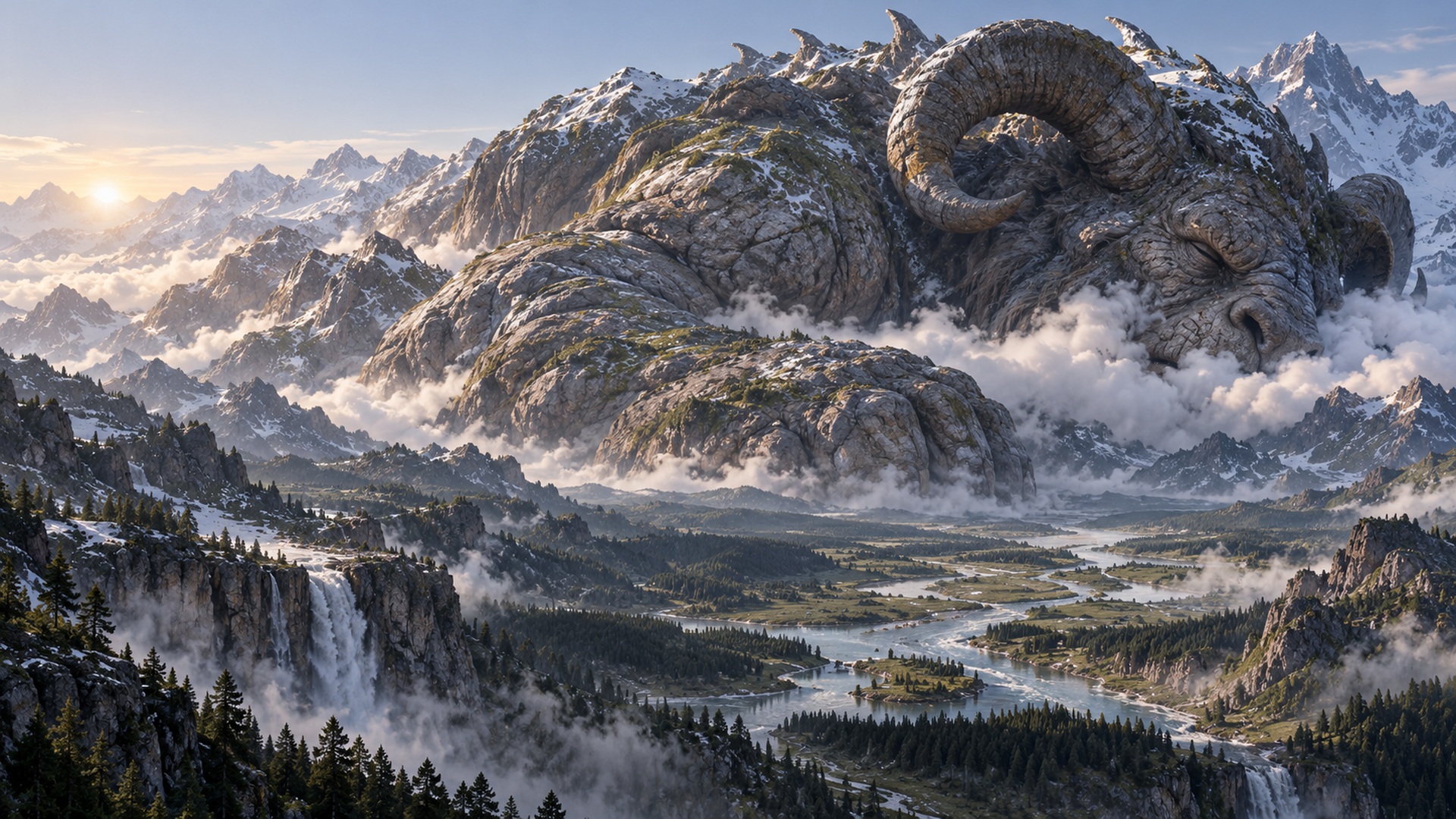
From Godzilla Earth and Arrakis sandworms to the Midgard Serpent and Unicron, meet nine colossal beings whose bodies change the worlds around them.
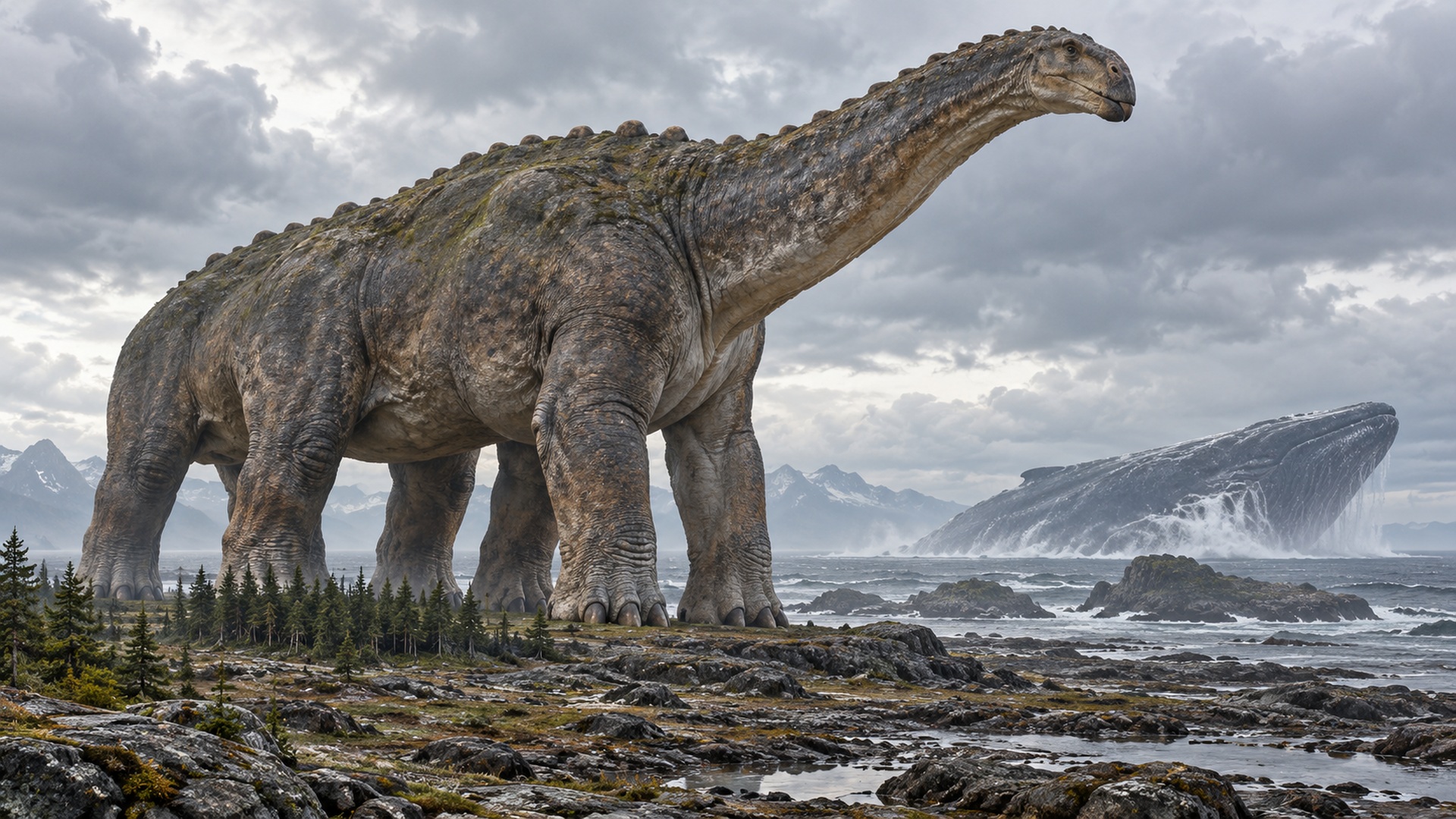
Giant monsters face more than a stronger skeleton problem. Explore how gravity, oxygen, heat, food, and buoyancy set different limits on land, sea, and sky.